


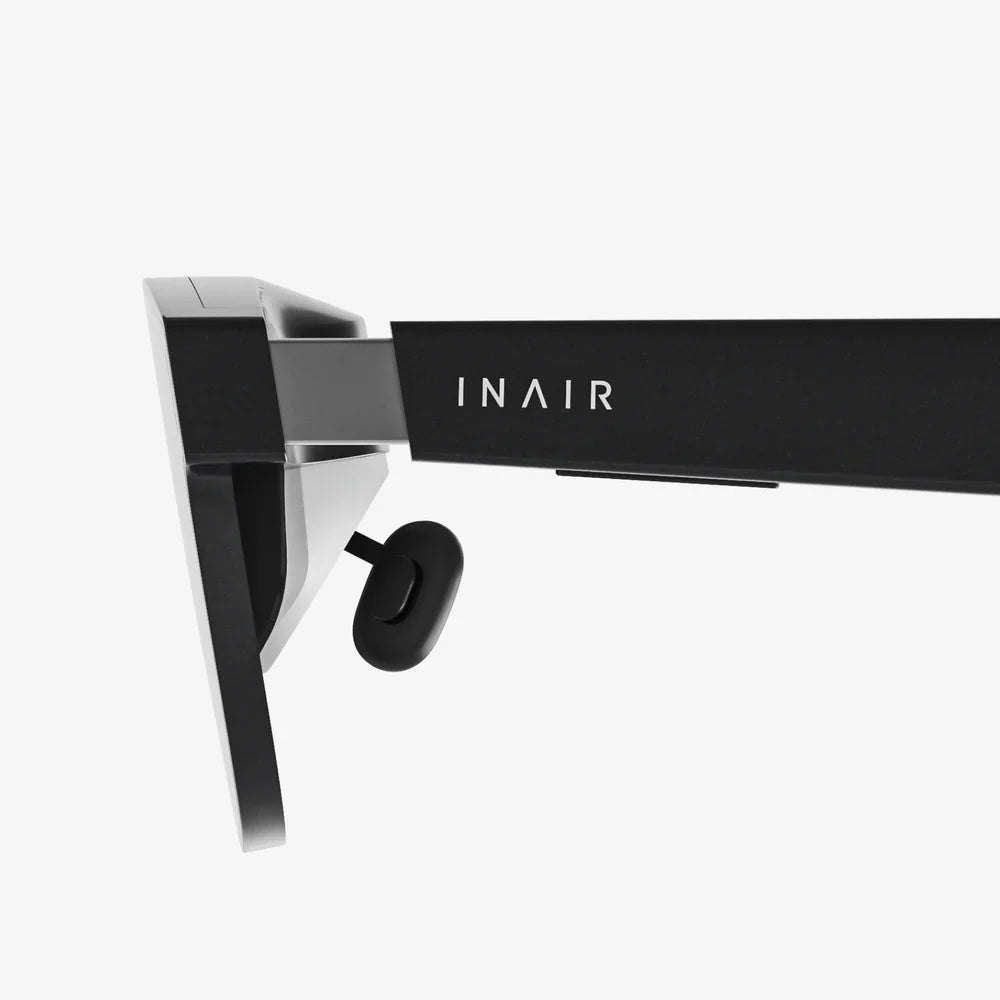
Imagine unlocking a portal to immersive virtual worlds, experiencing breathtaking 360-degree videos, and playing captivating games, all with a device you already own nestled in a simple viewer. The dream of high-end virtual reality is no longer locked behind expensive, dedicated hardware. Your ticket to these digital realms is in your pocket right now, waiting for you to discover how to use Android as a VR headset. This isn't a glimpse into the future; it's a powerful, accessible, and surprisingly capable reality available today. This guide will walk you through every step, from choosing your viewer to mastering the virtual landscape, proving that your next great adventure doesn't require a hefty investment—just a bit of curiosity.
The Foundation: Understanding Mobile VR
Before we dive into the how, it's crucial to understand the what. Mobile-based virtual reality leverages the powerful components already embedded in modern Android devices: the high-resolution display, the precise gyroscope and accelerometer, the powerful processor, and often even a magnetometer. These components work in concert to track your head movements and render visuals in real-time, creating the illusion of presence in a virtual space.
The experience is facilitated by a simple yet ingenious piece of hardware: the headset viewer. This is a shell, often made from plastic or cardboard, that holds your phone a fixed distance from your eyes through specially designed lenses. These lenses warp and focus the image on your phone's screen, splitting it into two distinct views to create a stereoscopic 3D effect. The viewer also blocks out ambient light, further enhancing immersion. This elegant solution demonstrates that sometimes, the most impactful technology is not about adding more, but about using what we have more intelligently.
Choosing Your Portal: Types of Viewers
Not all viewers are created equal. Your choice will significantly impact your comfort and the quality of your experience. They generally fall into three categories.
The Entry-Level: Cardboard and Plastic Viewers
These are the most affordable and accessible options. The original concept, pioneered by a simple yet effective design, used cardboard, a pair of lenses, magnets, and Velcro. Today, you can find a vast array of similar viewers made from more durable plastics. They are lightweight, often foldable for portability, and provide an excellent, low-cost introduction to VR. They typically lack integrated controls, relying on a single button mechanism or your phone's touchscreen, which can be awkward. Their primary drawback is comfort; they often have basic straps and little padding, making extended sessions less enjoyable.
The Enthusiast Tier: Feature-Rich Viewers
This category represents the sweet spot for most users looking to use Android as a VR headset seriously. These viewers are constructed from higher-quality plastics and foams. They feature vastly superior comfort with adjustable, padded head straps, better weight distribution, and ample ventilation to reduce lens fogging. Crucially, many include a separate Bluetooth remote control or integrated buttons that provide a much more intuitive and responsive way to interact with VR environments than tapping your headset. They also offer more precise adjustments for interpupillary distance (IPD) and lens focus, accommodating a wider range of users and providing a clearer image.
The Performance Consideration: Your Android Device
The heart of your VR experience is your phone. Its capabilities directly dictate what you can do. Key specifications to consider include:
- Display: A high-resolution screen (ideally Quad HD or higher) is paramount. The screen is magnified by the lenses, so a lower resolution will result in a visible "screen door effect" (seeing the gaps between pixels). An OLED screen offers superior blacks and contrast, which is great for immersive environments.
- Sensors: A fast and accurate gyroscope and accelerometer are non-negotiable. They are responsible for the head-tracking that makes VR feel real. Lag or jitter in these sensors is the fastest way to induce motion sickness.
- Processor (SoC): VR applications are demanding. A mid-range to high-end processor is required to render two high-resolution views (one for each eye) at a stable frame rate (ideally 60fps or higher) to maintain comfort.
- Battery Life: VR is a power-intensive activity. Expect your battery to drain significantly faster than during normal use. A large battery and a cool-running processor are assets.
Stepping Into the Virtual World: A Step-by-Step Setup Guide
Getting started is a straightforward process. Follow these steps to ensure a smooth and optimized experience.
- Select and Acquire Your Viewer: Based on your budget and goals, choose a viewer from the categories above.
- Prepare Your Phone: Free up storage space. VR apps and 360-degree video files can be large. Ensure your phone's operating system is up to date.
- Install a VR Platform: The main gateway to mobile VR content is through dedicated apps. These platforms act as hubs for discovering, downloading, and launching VR experiences, games, and videos. They also provide the essential software layer that translates your phone's sensor data into the VR environment.
- Calibrate: Most platform apps will guide you through a calibration process. This often involves placing your phone in the viewer's holder and setting up any Bluetooth controllers. This step ensures head tracking and input are accurate.
- Explore and Download Content: Dive into the platform's store. Start with highly rated free experiences to get your "VR legs" before purchasing more advanced content.
The Digital Frontier: What Can You Actually Do?
The beauty of learning to use Android as a VR headset is the sheer diversity of experiences available. The platform is a gateway to a multitude of activities.
Gaming and Interactive Experiences
This is where mobile VR truly shines. The catalog ranges from simple, casual games to surprisingly deep and immersive adventures. You can find pulse-pounding horror games that leave you afraid to turn your virtual head, intricate puzzle games that have you manipulating objects in a 3D space, thrilling roller coaster simulators, and even ports of classic games reimagined for a first-person perspective. The interactive nature of VR gaming provides a level of engagement flat screens simply cannot match.
Travel and Exploration
One of the most powerful applications of VR is its ability to teleport you anywhere on Earth—or beyond. Through stunning 360-degree videos and photospheres, you can stand on the edge of the Grand Canyon, walk the streets of Tokyo, dive the Great Barrier Reef, or even take a virtual tour of the International Space Station. It's a revolutionary tool for education, inspiration, and satisfying wanderlust from your living room.
Media Consumption
Imagine watching a movie on a massive, private cinema screen or being placed inside a 360-degree music video. VR media players allow you to do just that. You can watch standard 2D films in a virtual environment or experience content specifically filmed for VR, placing you at the center of the action. It’s a completely new and personal way to experience media.
Social and Creative Applications
The virtual world is also a social space. Several platforms allow you to create an avatar and meet with friends or strangers in virtual environments to play games, watch videos, or simply hang out. On the creative side, there are apps that let you paint and sculpt in 3D space around you, creating art in a way that feels natural and intuitive.
Optimizing Your Journey: Tips for a Flawless Experience
To elevate your experience from good to great, keep these pro tips in mind.
- Manage Heat and Battery: Close all background apps before launching a VR experience. Consider removing your phone's case before inserting it into the viewer to aid heat dissipation. For long sessions, keep a portable power bank handy.
- Ensure a Safe Space: Always use VR in a clear, open area. Be mindful of furniture, pets, and other people. The immersion is powerful, and it's easy to forget your physical surroundings.
- Start Slow: If you are new to VR, begin with stationary experiences. Avoid games with artificial locomotion (using a controller to move) until you are accustomed to the sensation. Take regular breaks every 15-20 minutes to prevent eye strain and discomfort.
- Clean Your Lenses: Use a microfiber cloth to keep both your phone's screen and the viewer's lenses free of smudges and dust. Even a small fingerprint can disrupt the image clarity.
- Explore Side-Loading: The official stores are just the beginning. A vibrant community of developers creates experimental and innovative experiences that can be downloaded directly from the web and installed, further expanding your library.
Pushing the Boundaries: Advanced Techniques
For the tinkerers and enthusiasts, the journey doesn't stop with official apps. The open nature of Android allows for some truly advanced applications that blur the line between mobile and desktop-class VR.
One of the most powerful techniques involves using your Android VR headset as a wireless display for a gaming PC. Specialized software streams a VR experience being rendered on your powerful desktop computer directly to your phone, while simultaneously transmitting your head-tracking data back to the PC. This allows you to experience high-fidelity, graphically intensive PC VR games without being tethered by a cable, all through the lens of your mobile viewer. This setup requires a strong and stable Wi-Fi network and some technical configuration, but the result is access to a vast library of premium VR content.
Furthermore, developers can use their devices as testbeds for creating their own VR applications. With the right software development kit (SDK), your phone becomes a portable VR lab for prototyping and experimenting with new ideas, democratizing the creation of virtual reality content.
Acknowledging the Limits: The Mobile VR Reality Check
While the ability to use Android as a VR headset is impressive, it's important to understand its limitations compared to dedicated standalone or PC-tethered headsets.
The most significant constraint is processing power. Even the most powerful smartphone cannot match the sustained performance of a desktop GPU or a headset with active cooling. This limits the graphical complexity and scope of native mobile VR experiences. Furthermore, most mobile viewers lack "6 degrees of freedom" (6DoF) tracking. They track the rotation of your head (pitch, yaw, roll) but not its positional movement in space (leaning forward, crouching, moving side-to-side). This "3 degrees of freedom" (3DoF) experience is less immersive than being able to physically move within a virtual space. Finally, prolonged use can lead to phone overheating, which triggers performance throttling, causing lag and potentially breaking immersion.
These limitations define the current mobile VR experience: it is phenomenal for curated experiences, 360-degree media, and shorter gaming sessions, but it is not a direct replacement for the high-end, room-scale VR offered by dedicated systems.
Your Android device is more than a communication tool; it's a key to countless other realities. The technology to use Android as a VR headset is mature, accessible, and waiting for you to explore. It represents the beautiful democratization of a cutting-edge technology, proving that profound experiences don't have to be complex or expensive. From the depths of the ocean to the far reaches of space, from thrilling games to awe-inspiring virtual tours, an entire universe of experiences is hidden within your smartphone. All you need to do is slide it into a viewer, look around, and take that first step into the incredible world of mobile virtual reality. Your next adventure is literally at your fingertips.
Share:
VR for iPhone 7 Plus: The Ultimate Guide to Unlocking a New Reality
What Does It Take to Make a VR Headset: The Intricate Engineering Behind Immersive Worlds