


- by wangfred
Use of AR and VR: Reshaping Reality and Redefining Human Experience
- by wangfred
Imagine a world where the line between the digital and the physical blurs into irrelevance, where learning history means walking through ancient Rome, where a surgeon’s vision is enhanced with real-time data overlays, and where a virtual meeting room feels as tangible as the desk in front of you. This is no longer the stuff of science fiction; it is the rapidly emerging present, powered by the revolutionary use of AR and VR. These technologies are not just new gadgets; they are fundamental shifts in the human-computer interface, poised to redefine every aspect of our lives. The journey into this blended reality starts now, and its implications are staggering.
While often mentioned in the same breath, Augmented Reality (AR) and Virtual Reality (VR) represent two distinct approaches to altering our perception of the world.
Virtual Reality is an immersive, all-encompassing technology. It transports the user entirely into a computer-generated digital environment. By wearing a headset that blocks out the physical world and replaces it with a simulated one, users can be placed anywhere—from the depths of the ocean to the surface of Mars. The use of VR is characterized by this complete detachment from one's immediate surroundings, creating a sense of presence that is its most powerful asset. This is achieved through a combination of high-resolution displays, precise head-tracking, and often, motion controllers that allow for interaction within the virtual space.
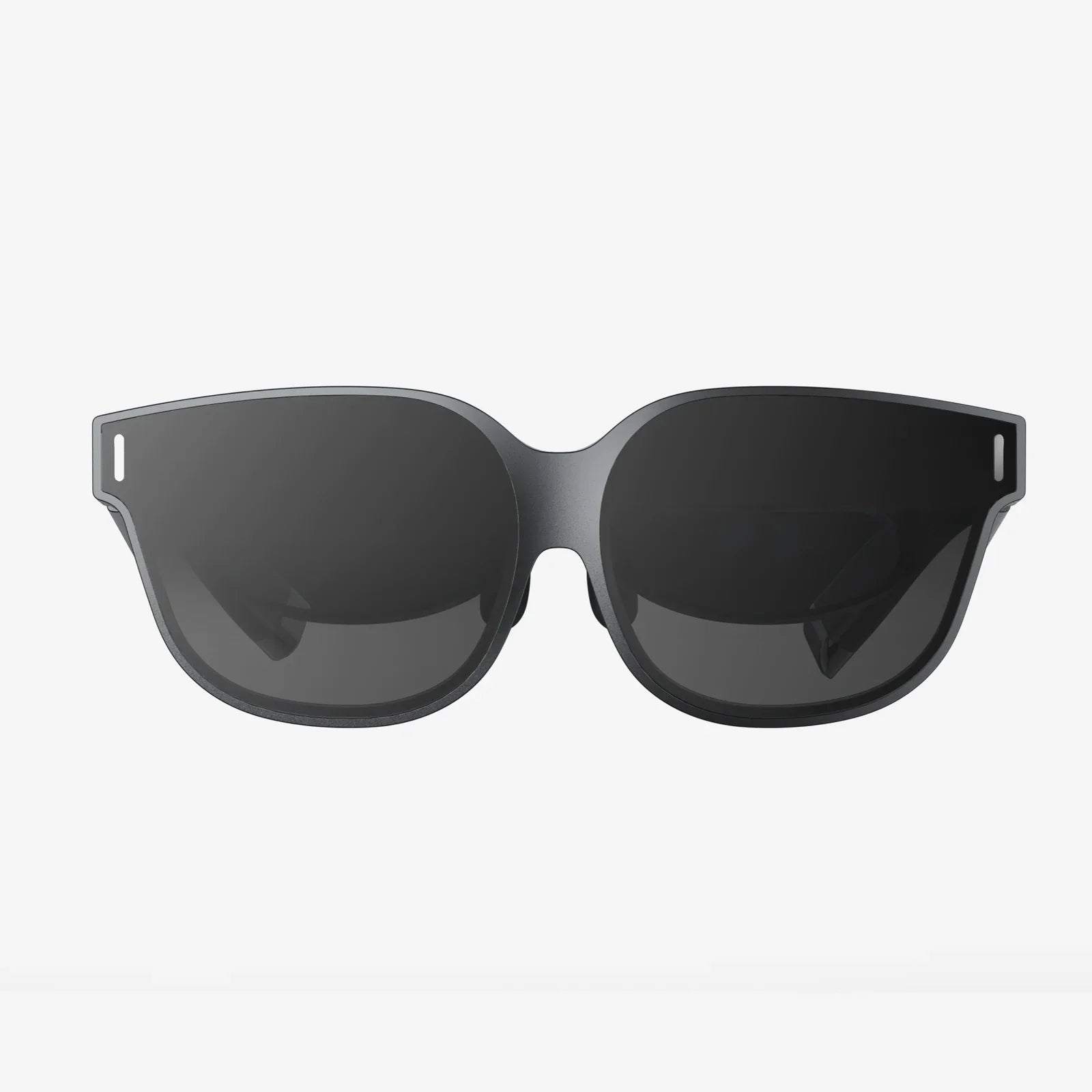
Augmented Reality, by contrast, does not seek to replace the real world but to augment it. It superimposes digital information—images, data, 3D models—onto the user's view of their physical environment. The use of AR is experienced through various devices: smartphones and tablets act as a window, while more advanced smart glasses project information directly onto the user's field of vision. The magic of AR lies in its ability to enhance reality with contextually relevant digital layers, making it a tool for information delivery, visualization, and guided instruction without severing the user's connection to their actual environment.
The use of AR and VR is dismantling traditional educational and professional paradigms, creating experiential learning and collaborative environments that were previously impossible.
In education, these technologies are moving learning beyond textbooks and videos into the realm of experience. The use of VR allows students to take virtual field trips to historical sites, natural wonders, or even inside the human body. Instead of reading about the Roman Empire, they can walk through a digitally reconstructed Forum. Instead of watching a video about cellular mitosis, they can witness the process unfold in 3D space around them. This experiential learning dramatically improves retention and engagement.
The use of AR in the classroom is equally powerful. Textbooks can come alive with interactive 3D models; a page about the solar system can project planets orbiting around the student's desk. Complex abstract concepts in mathematics or physics can be visualized and manipulated, providing a tangible understanding of intangible ideas. Furthermore, VR serves as a safe, controlled environment for training in high-stakes fields like medicine, allowing aspiring surgeons to practice procedures countless times without risk to a patient.
The corporate world has been fundamentally altered by the shift to remote work, and the use of AR and VR is providing the next evolution of collaboration. Virtual meeting rooms in VR overcome the limitations of video conferencing. Avatars with motion tracking and spatial audio create a genuine sense of being in a room with colleagues, enabling natural conversations, whiteboard brainstorming sessions, and product demonstrations in a shared virtual space, regardless of physical location.
The use of AR takes this a step further by bringing digital collaboration into the physical world. Remote experts can see what a field technician sees through smart glasses and annotate their field of view with arrows, instructions, or manuals, guiding them through a complex repair in real-time. This "see-what-I-see" capability drastically reduces errors, travel costs, and downtime, creating a seamless bridge between off-site knowledge and on-site work.
Perhaps one of the most profound applications of these technologies is in saving and improving human lives. The use of AR and VR is creating a new paradigm in medical training, surgical planning, and patient therapy.
Surgeons are using VR to plan complex operations by first performing them on a detailed 3D model of a patient's specific anatomy derived from CT or MRI scans. This practice run allows them to anticipate challenges and refine their approach. In the operating room, the use of AR is transformative. Through AR headsets or displays, surgeons can have critical information—such as the location of blood vessels or tumors—projected directly onto their view of the patient, effectively giving them X-ray vision. This enhances precision and reduces the need to look away from the surgical site.
For patient care and therapy, VR is proving to be a powerful tool. It is used for exposure therapy to help patients with phobias or PTSD confront and manage their triggers in a safe, controlled environment. It is also employed for pain management, distracting burn victims during painful wound care procedures with immersive, calming experiences. Furthermore, VR-based physical rehabilitation programs can turn repetitive exercises into engaging games, improving patient motivation and outcomes.
From the factory floor to the retail store, the use of AR and VR is driving unprecedented efficiency, safety, and customer engagement.
In manufacturing and industrial design, VR is used to create and interact with full-scale digital prototypes of cars, airplanes, and complex machinery. Engineers and designers can identify ergonomic issues, spot potential design flaws, and make changes long before any physical materials are used, saving millions in development costs. The use of AR on the factory floor provides workers with hands-free access to schematics, assembly instructions, and safety information overlaid directly on the equipment they are servicing, streamlining processes and reducing errors.
The retail sector is being reinvented through the use of AR and VR. Virtual showrooms allow customers to explore products from their homes. Want to see how a new sofa would look in your living room? AR apps can place a true-to-scale 3D model of the furniture in your space. Want to "try on" glasses, makeup, or even clothes? AR filters and mirrors make it possible. This not only enhances customer confidence and reduces return rates but also creates a novel and engaging shopping experience that blends the convenience of e-commerce with the assurance of in-person evaluation.
Despite the immense potential, the widespread adoption of AR and VR faces significant hurdles. Hardware needs to become more affordable, comfortable, and socially acceptable. Issues of data privacy, digital addiction, and the potential for reality distortion are serious ethical concerns that society must grapple with. Furthermore, creating high-quality, immersive content remains complex and expensive.
However, the trajectory is clear. The technology is advancing at a breakneck pace. The eventual convergence of AR and VR into all-in-one devices, often referred to as Mixed Reality (MR), promises a future where we can seamlessly slip between fully digital and augmented worlds. As the hardware becomes more like ordinary eyeglasses and the software becomes more intelligent and context-aware, the use of AR and VR will shift from a conscious activity to an integrated part of our daily lives, an invisible layer of computing that enhances our perception and extends our capabilities.
The door to a new dimension of human experience is now open. The use of AR and VR is moving beyond novelty and entertainment, maturing into indispensable tools that are reshaping the bedrock of industry, education, and medicine. This is not merely a technological upgrade; it is a fundamental reimagining of how we interact with information and with each other. The future is not just something we will watch on a screen—it is something we will step into, interact with, and ultimately, help create.
Share:
New Spectacles Let Augmented Reality Seamlessly Integrate Into Daily Life
What Is Augmented Reality & VR: A Deep Dive Into Digital Dimensions