


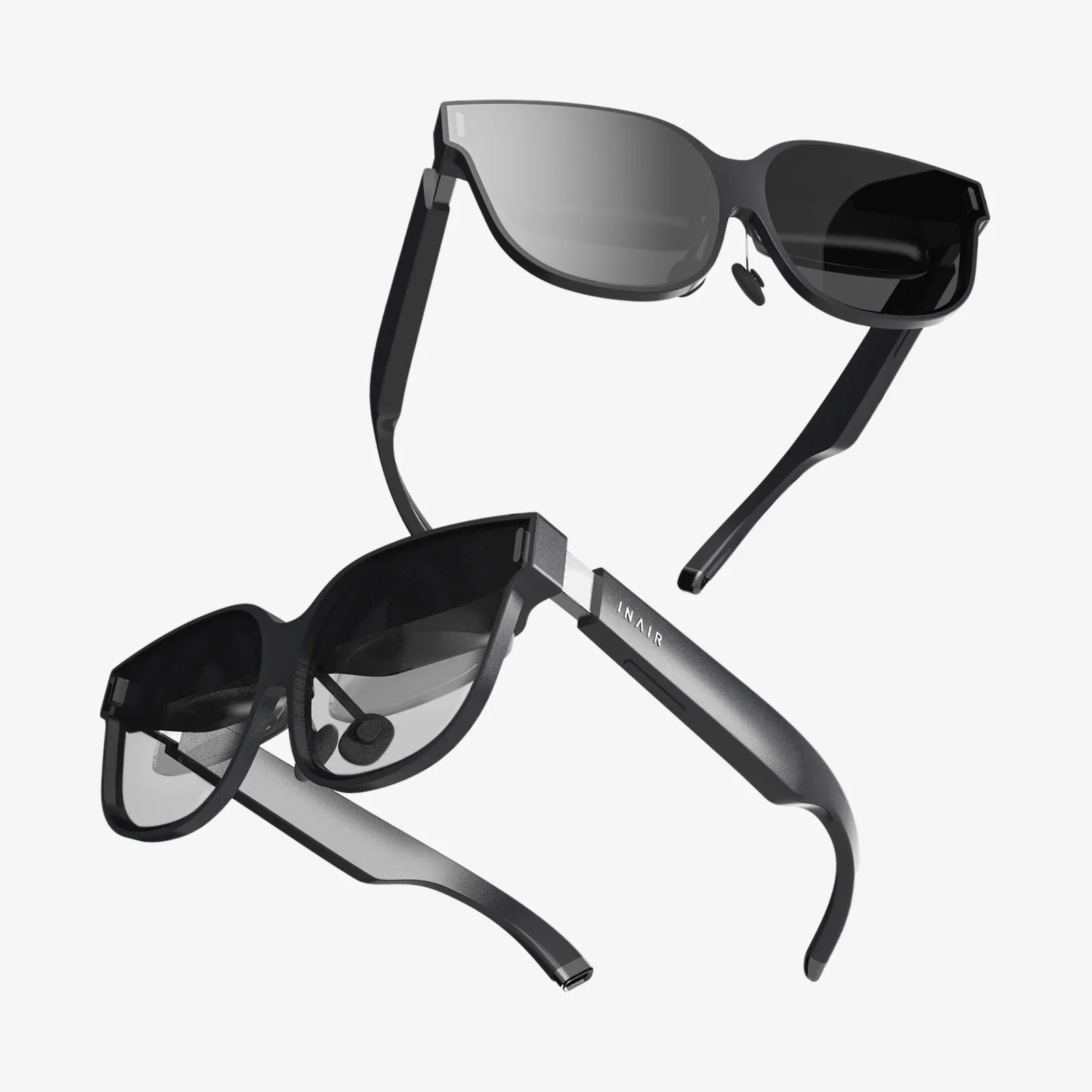
Imagine stepping into a breathtaking alien landscape, a meticulously recreated historical site, or a heart-pounding virtual arena, only to have the entire experience blurred by the simple fact that you wear glasses. For millions of potential VR explorers, this is the frustrating barrier that stands between them and total immersion. The fear of discomfort, scratches, or a simply unusable view is real. But what if you could unlock a crystal-clear virtual world without compromise? The journey to seamlessly using a VR headset with glasses is not only possible but can be incredibly comfortable with the right knowledge. This guide is your definitive passport to that world, ensuring your vision—both real and virtual—remains perfectly in focus.
The Fundamental Challenge: Why Glasses and VR Don't Always Mix
At its core, the challenge of combining eyeglasses with a VR headset boils down to three critical factors: physics, geometry, and comfort.
First, consider the physics of light. VR headsets use complex lenses to focus the screen's image onto your eyes, creating the illusion of depth and scale. These lenses have a specific sweet spot—a precise distance and angle at which the image is sharpest. Your prescription glasses are designed to correct your vision by altering how light enters your eyes. When you place another lens (your glasses) between the headset's lenses and your eyes, you risk disrupting this carefully engineered optical path. This can cause distortions, chromatic aberration (color fringing), and a reduction in the clarity of the sweet spot, effectively negating the benefits of both lens systems.
Second, there's the issue of geometry and space. Most VR headsets are designed with a certain amount of space between the internal lens and the user's face, known as the eye relief. This cavity is often just barely deep enough to accommodate the average face, let alone the additional bulk of eyeglass frames and lenses. This leads to a constant, uncomfortable pressure on the temples and bridge of the nose from your glasses being squeezed between your face and the headset's facial interface (the foam or plastic surround). Furthermore, the arms of your glasses can interfere with the headset's straps, preventing a secure and stable fit, which is crucial for preventing motion sickness and maintaining immersion.
Finally, the risk of damage is a significant concern. The lenses inside a VR headset are delicate and easily scratched. The hardened glass or plastic of your eyeglasses can easily come into contact with these soft, exposed surfaces during the process of putting on or taking off the headset, or even during vigorous gameplay. A single scratch on the headset's lens will be permanently visible in every virtual experience, a constant reminder of the mishap.
Exploring Your Options: From Quick Fixes to Permanent Solutions
Thankfully, the industry and a community of ingenious users have developed a range of solutions to address these challenges. The best option for you depends on your prescription, your budget, and how frequently you use VR.
1. Wearing Your Glasses Inside the Headset
This is the most straightforward method, and for many, with the right precautions, it can work perfectly well.
- Choosing the Right Frames: Smaller, more compact frames are infinitely better than large, fashionable ones. Rimless or thin-metal frames tend to work best. Avoid wide arms or thick plastic frames that will cause pressure points.
- Maximizing Space: Most modern headsets come with a glasses spacer—a small rubber or plastic insert that pushes the facial interface away from your face, creating crucial extra millimeters of room. Always use it. If your headset didn't include one, check the manufacturer's website for accessories.
- The Delicate Dance of Donning: Never just pull the headset straight onto your face. Loosen the straps significantly. Hold the headset in one hand and carefully guide it over your glasses, ensuring nothing touches the headset's lenses. Once it's seated, gently tighten the straps until it's secure but not crushing.
- Constant Vigilance: Be mindful of your movements. Avoid shaking your head violently or pushing the headset closer to your face during intense moments, as this can shift your glasses and cause contact.
2. Prescription Lens Inserts: The Gold Standard
For frequent users, prescription lens inserts are far and away the best solution. These are custom-made magnetic or clip-in lenses that attach directly over the headset's built-in lenses.
- How They Work: You provide your precise prescription (including PD, or Pupillary Distance) to a specialized company. They manufacture lenses that are curved to fit perfectly inside your specific headset model. These inserts then pop on magnetically or clip into place, effectively making the headset's optics work perfectly for your eyes.
-
Unmatched Benefits:
- Optimal Clarity and Field of View: Because the lenses are placed exactly where the headset's optics expect them to be, you get the largest possible sweet spot and the clearest image.
- Superior Comfort: Eliminates all pressure on your face from your glasses. The headset feels lighter and fits like it was designed for you.
- Complete Protection: Your expensive headset lenses are completely shielded from dust and scratches by the inserts.
- Convenience: Putting on the headset becomes a one-second task. It also makes sharing the headset easy, as the magnetic inserts can be removed in an instant for others to use.
- Considerations: This is an investment, typically costing a fraction of a new pair of glasses. It also requires you to know your PD, which your optometrist can provide.
3. Custom Contact Lenses
For those who already wear or are comfortable with contact lenses, they offer a simple and effective way to enjoy VR. By correcting your vision directly on your eye, you completely bypass the glasses-headset conflict. You get the full field of view, maximum comfort, and no risk of scratches. The only downside is the ongoing cost and routine of contact lens wear, which isn't for everyone.
Beyond the Lenses: Essential Tips for Comfort and Clarity
Solving the glasses question is the main event, but mastering a few extra details will elevate your experience from functional to fantastic.
- Pupillary Distance (PD) is King: Whether you're using inserts or just adjusting the headset, your PD is the most important setting. This is the distance between your pupils, measured in millimeters. Most headsets have a physical or software IPD (Interpupillary Distance) adjustment. Taking the time to set this correctly—by matching the headset's lens separation to your own PD—will drastically improve sharpness and reduce eye strain. Never guess this number; get it from your optometrist.
- The Strapping Game: A proper fit is about more than just tightness. The goal is to have the weight supported by the crown of your head via the top strap, while the side straps simply stabilize the unit. This prevents the front-heavy headset from sliding down and pressing on your nose and cheeks.
- Hygiene Matters: The facial interface that touches your skin can harbor oils and bacteria. If you're wearing your glasses inside, this is compounded. Consider a removable, washable leather or silicone cover for the interface. They are easier to clean and can provide a slightly more comfortable surface.
Dispelling Common Myths and Concerns
Let's address some frequent worries head-on.
Myth: "Wearing glasses in VR will always scratch the lenses."
Reality: While it's a risk, it is not a certainty. Using the provided spacer, being careful during donning/doffing, and considering softer plastic frames can mitigate this risk almost entirely. Prescription inserts eliminate it.
Myth: "VR headsets can't work with a strong astigmatism or complex prescription."
Reality: VR optics are highly adaptable. The vast majority of common prescriptions, including those with astigmatism, are fully compatible. The solution, again, is prescription inserts, which are made to your exact specifications, no matter how complex.
Myth: "It's just easier to not wear my glasses and deal with a blurry world."
Reality: This is perhaps the biggest mistake. Straining to see a blurry image is a primary cause of VR-induced headaches, eye fatigue, and nausea. A clear, in-focus image is the single most important factor for comfort and enjoyment. Never compromise on visual clarity.
A Look to the Future: The End of the Dilemma?
The industry is keenly aware that the glasses dilemma is a major adoption barrier. Future headsets are already innovating to make this problem obsolete.
- Built-in Diopter Adjustment: Some higher-end and professional headsets now feature manual wheels on the lens housing that allow you to dial in a correction for nearsightedness and farsightedness, much like a pair of binoculars. This elegant solution could trickle down to consumer devices.
- Pancake Lenses and Slimmer Designs: New optical designs are creating headsets that are dramatically slimmer and lighter. This inherently creates more internal space, making it easier to accommodate glasses without the need for bulky spacers.
- Varifocal and Light Field Technology: The holy grail of VR optics is a system that can dynamically adjust its focus to match where your eyes are looking in the virtual world, just like your natural eyesight. This technology, in its advanced stages, would not only solve the glasses issue but also solve the vergence-accommodation conflict, a key source of visual discomfort in today's headsets.
The virtual realm is one of infinite possibility and wonder, a place for exploration, creativity, and connection. It is a tragedy to let something as mundane as a pair of spectacles keep you from stepping through that portal. Whether you opt for the careful use of spacers, the unparalleled convenience of magnetic prescription inserts, or the simple elegance of contact lenses, a perfect, clear, and comfortable view is well within your reach. The tools and knowledge are here; all that's left is to take that first, crystal-clear step into a world without limits.
Share:
Augmented Reality App Ideas That Will Revolutionize Industries and Daily Life
How to Create Augmented Reality Games: A Comprehensive Developer's Guide