


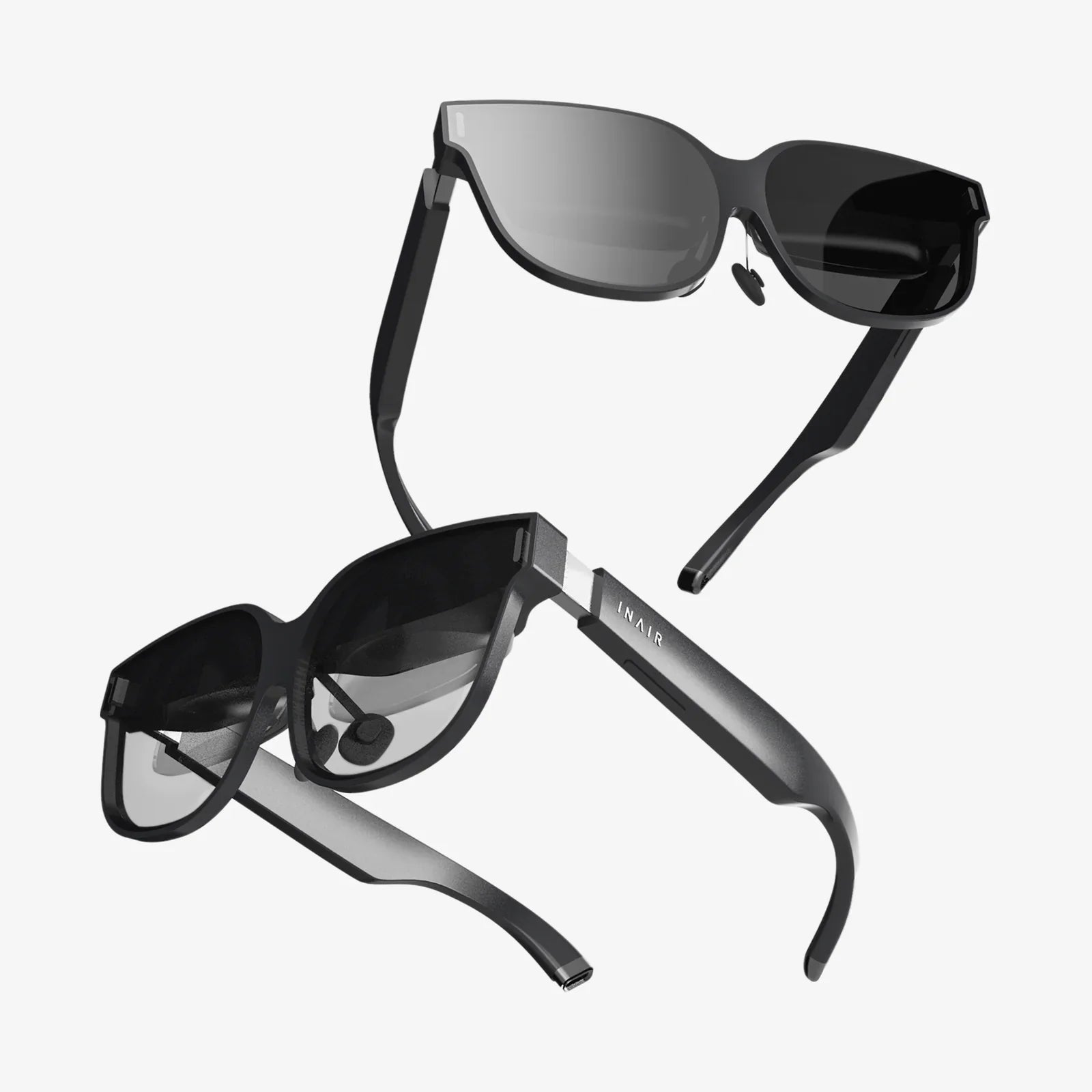
Imagine a device so powerful it can transport you to the summit of Mount Everest, the surface of Mars, or the front row of a concert happening on the other side of the world, all from the comfort of your living room. This is the promise, the allure, and the undeniable magic of the very VR headset. It’s not just another piece of consumer electronics; it’s a portal, a key to unlocking experiences previously confined to the realms of dreams and science fiction. The journey into virtual reality is no longer a niche pursuit for gamers and tech enthusiasts—it’s a mainstream revolution, and it’s reshaping our perception of reality itself.
The Engine Behind the Illusion: Core Technologies of a Modern VR Headset
To understand the profound impact of a very VR headset, one must first appreciate the intricate symphony of technology working in perfect harmony to create a believable virtual world. The magic doesn't happen by chance; it's a carefully engineered illusion built upon several critical pillars.
Visual Fidelity: The Window to Another World
The most immediate and crucial aspect of any immersive experience is what you see. Modern headsets employ high-resolution displays, often one for each eye, to create a crisp, clear image. The goal is to achieve a pixel density so high that the dreaded "screen door effect"—where users can see the gaps between pixels—becomes a thing of the past. Furthermore, a high refresh rate, often 90Hz or higher, is essential. This ensures that as you turn your head or move through the virtual environment, the world updates quickly and smoothly, preventing the motion sickness that plagued earlier generations of the technology. Advanced lenses, meticulously designed to focus the image correctly across the entire field of view, complete the visual package, reducing distortion and eye strain.
Precise Tracking: Mapping Your Reality into the Virtual
For the illusion to hold, the virtual world must react to your movements with imperceptible latency. This is achieved through sophisticated tracking systems. Inside-out tracking uses multiple cameras embedded on the headset itself to constantly scan your physical environment, tracking the headset's position in real-time without the need for external sensors. This technology allows for complete freedom of movement within a designated play area. Simultaneously, controllers are tracked with equal precision, translating your hand and arm movements into the digital realm. Haptic feedback in these controllers provides a sense of touch, from the subtle vibration of a virtual bowstring to the jarring recoil of a digital weapon.
Audio Immersion: The Unseen Environment
Sound is half the experience. A very VR headset leverages 3D spatial audio to create a convincing soundscape. This technology mimics how sound waves interact with the human head and ears, allowing developers to place audio sources in a three-dimensional space. You can hear the faint whisper of an character behind you, the roar of a crowd all around you, or the precise direction of a gunshot. This auditory depth is not a mere enhancement; it is fundamental to selling the reality of the virtual space, triggering instinctual reactions and deepening the emotional connection to the experience.
Beyond Gaming: The Expansive Universe of VR Applications
While gaming remains a primary driver of consumer adoption, the utility of a very VR headset extends far beyond entertainment. It is becoming a transformative tool across a diverse range of professional and personal fields.
Revolutionizing Education and Training
Imagine medical students practicing complex surgical procedures on virtual patients, making mistakes and learning from them without any risk to human life. Architects and engineers can walk clients through full-scale, interactive 3D models of unbuilt structures. Corporate employees can undergo realistic training simulations for high-pressure situations, from public speaking to emergency response. VR provides a safe, controlled, and highly effective environment for experiential learning, dramatically improving knowledge retention and skill acquisition.
Transforming Social Connection and Remote Work
The concept of the "metaverse"—a persistent network of shared virtual spaces—is predicated on the power of VR. A very VR headset allows for a new form of digital interaction that is infinitely more personal than a video call. Instead of staring at a grid of faces on a screen, you can share a virtual room with colleagues from across the globe, represented by expressive avatars. You can make eye contact, use body language, and collaborate on 3D models as if you were standing next to each other. This has profound implications for dismantling the barriers of remote work and fostering genuine human connection across vast distances.
Unlocking New Frontiers in Design and Therapy
Artists and designers are using VR as a new medium, painting in three dimensions and sculpting with virtual clay. The therapeutic applications are equally groundbreaking. Exposure therapy in VR is being used to help patients overcome phobias, anxiety, and PTSD by gradually and safely exposing them to their triggers in a controlled environment. It's also being used for physical rehabilitation, turning painful and repetitive exercises into engaging games that motivate patients to complete their therapy regimens.
The Human Factor: Navigating the Challenges and Ethical Considerations
As with any powerful technology, the rise of the very VR headset is not without its challenges and questions. The very intensity of the experience raises important considerations for health, society, and ethics.
Physical and Psychological Effects
While modern headsets have largely mitigated severe motion sickness, some users still experience discomfort during and after use. Eye strain remains a concern, especially during prolonged sessions. Psychologically, the line between the virtual and the real can sometimes blur. The phenomenon known as "VR dissociation" describes a temporary feeling of disorientation upon returning to the physical world. Furthermore, the intense realism of experiences can have a powerful emotional impact, which, while often positive, requires thoughtful content design and user awareness.
The Privacy Paradigm in a Captured World
A very VR headset is arguably one of the most data-hungry devices ever created. It doesn't just track what you click; it maps your physical environment, follows the precise movement of your eyes, and records your reactions. This biometric data is incredibly valuable and deeply personal. Who owns this data? How is it used? Could it be used to manipulate attention or even measure emotional responses to advertising? Establishing clear ethical guidelines and robust privacy protections is paramount to ensuring this technology develops in a way that respects and protects the user.
The Social Dilemma: Connection vs. Isolation
There is a paradoxical tension at the heart of VR's social promise. While it can connect people across the globe, it does so by physically isolating the individual in a headset, cutting them off from their immediate physical surroundings. This raises questions about its long-term impact on local community engagement and family interaction. Will we become more connected to a global digital tribe while becoming more disconnected from the people and world right in front of us? Balancing these two worlds will be one of the great social challenges of the VR age.
The Horizon Beckons: The Future of Immersive Technology
The very VR headset of today is a marvel, but it is merely a stepping stone. The trajectory of the technology points toward even more seamless and profound integration with our senses and our lives.
We are moving toward lighter, wireless headsets with all-day battery life, making them as comfortable and easy to use as a pair of sunglasses. Resolution and field of view will continue to increase, eventually reaching visual parity with real life. Haptic technology will evolve from simple vibrations to full-body suits that can simulate temperature, pressure, and impact. The ultimate goal is a direct neural interface, bypassing external hardware entirely to stimulate the brain's sensory cortices directly, creating experiences indistinguishable from reality.
This future will redefine not just entertainment, but fundamental human activities like travel, education, and healthcare. The constraints of physical location and resources will diminish, opening up unprecedented opportunities for creativity, empathy, and exploration. The very VR headset is the first, crucial step on this path, offering a glimpse into a future where our digital and physical realities are not separate worlds, but a continuous, interconnected spectrum of human experience.
The door to these boundless new worlds is now open, waiting for you to take that first step through the portal. The question is no longer if you will try a very VR headset, but when you will choose to redefine your own reality and discover what lies beyond the limits of the physical world.
Share:
Difference Between XR and MR: Navigating the Blended Realities of Our Digital Future
How Much Is a VR Headset Worth? A Deep Dive into Value, Cost, and Immersion