


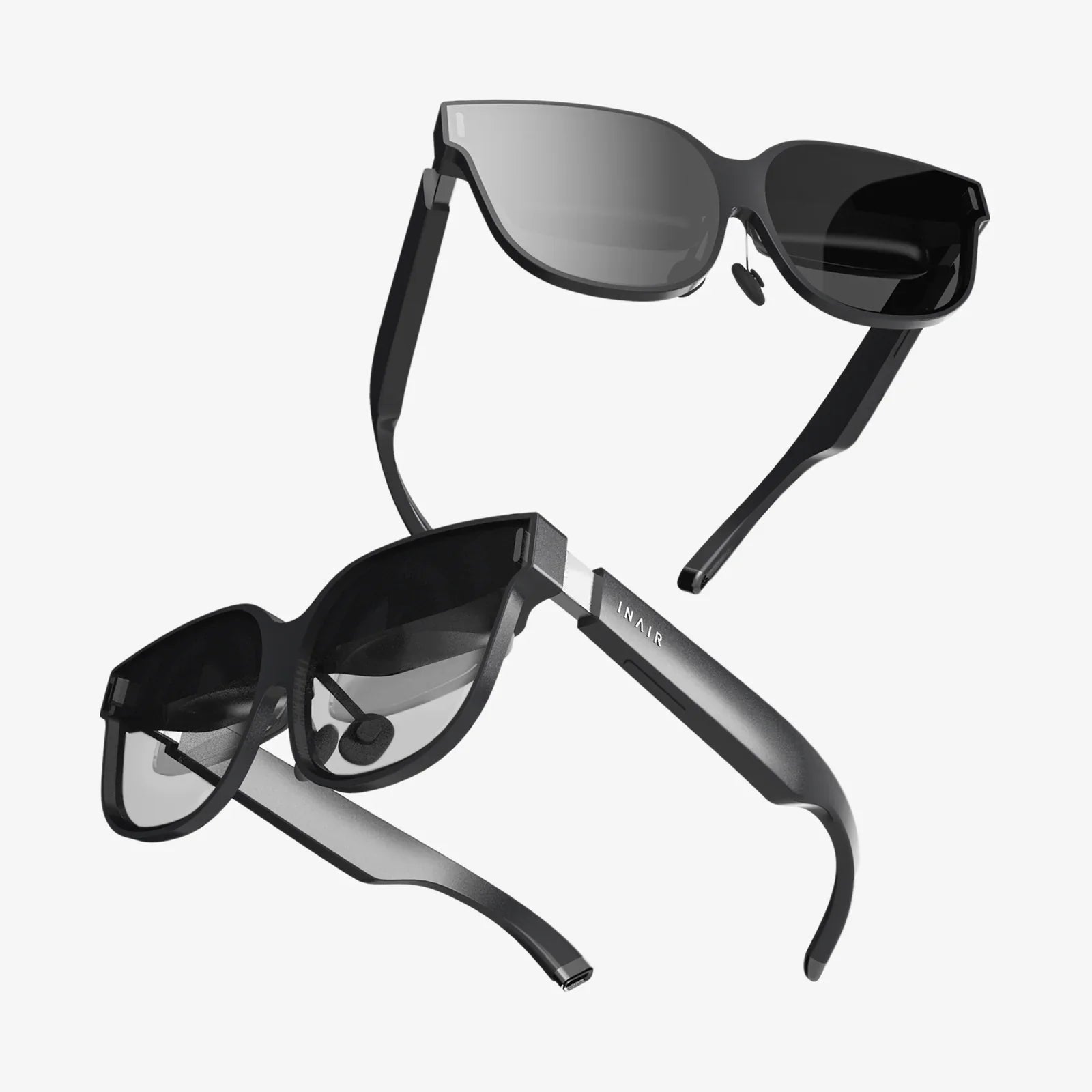
Imagine slipping on a pair of sleek, unassuming glasses and instantly being transported to a front-row concert seat, a meticulously recreated ancient ruin, or a virtual workspace with screens as vast as your imagination. This is no longer the stuff of science fiction; it's the tangible, exhilarating promise of virtual glasses for Android, a technology poised to redefine our interaction with the digital world. The power to unlock these experiences doesn't require a high-powered computer; it’s resting in your pocket, connected to a headset that is your passport to new realities. The fusion of accessible Android hardware with cutting-edge wearable displays is democratizing immersion, offering a glimpse into a future where the digital and physical seamlessly coexist.
Demystifying the Technology: How Virtual Glasses Work with Your Android Device
At its core, the magic of virtual glasses lies in a beautiful synergy between the headset and your Android smartphone. Unlike standalone virtual reality headsets that contain all their processing power internally, many virtual glasses for Android act as a sophisticated external display. Your Android device becomes the engine room: its powerful processor generates the complex 3D environments, its high-resolution screen often provides the visual source, and its sensors—gyroscopes, accelerometers, and magnetometers—track your head movements with remarkable precision.
The glasses themselves are a marvel of optical engineering. They typically house high-quality lenses that focus and reshape the image from your phone's screen or an internal micro-display, creating a stereoscopic 3D effect that gives depth and scale to the virtual world. Advanced models may incorporate their own sensors for more accurate positional tracking, reducing the reliance on the phone and creating a more immersive and comfortable experience. This partnership means that as Android smartphones continue to evolve, becoming more powerful and capable with each generation, the experiences delivered through virtual glasses will similarly leap forward, all without requiring you to buy a completely new headset.
Beyond Gaming: The Expansive Universe of Android AR and VR Applications
While immersive gaming is often the first application that comes to mind, the utility of virtual glasses for Android stretches far beyond defeating virtual dragons or racing on impossible tracks. The true potential lies in augmentation and simulation across diverse fields.
Transforming Education and Training
Imagine history students not just reading about the Roman Empire but walking through a digitally reconstructed Forum Romanum, or medical students practicing complex surgical procedures on detailed holographic patients without any risk. Virtual glasses make this possible. Android apps leverage this technology for interactive learning, allowing users to dissect virtual frogs, explore the solar system in their living room, or understand mechanical engineering by manipulating 3D models of engines. This hands-on, visual approach caters to diverse learning styles and makes education an adventure.
Revolutionizing Remote Work and Collaboration
The concept of the office is being radically reshaped. With virtual glasses, your Android device can become your portal to a virtual workspace. You can have multiple large virtual monitors floating in your field of view, far exceeding the physical limits of your laptop screen. Collaboration takes on a new dimension as teams from across the globe can meet in a shared virtual space, interacting with 3D models of products, architectural designs, or data visualizations as if they were in the same room. This is not just video conferencing; it's a profound shift towards spatial computing for productivity.
Enhancing Retail and Design
How would that new sofa look in your actual lounge? With augmented reality apps on Android, you can use virtual glasses to place true-to-scale 3D models of furniture, appliances, and decor into your physical space before making a purchase. Architects and interior designers can walk clients through virtual mock-ups of buildings and rooms, making adjustments in real-time. This ability to visualize the end result eliminates guesswork and empowers consumers and professionals alike.
Choosing Your Portal: A Buyer's Guide to Virtual Glasses for Android
Navigating the growing market of virtual glasses can be daunting. Your perfect pair depends on your intended use, your Android device's capabilities, and your comfort preferences. Here are the key factors to consider.
Compatibility is King
This is the most critical first step. Not all virtual glasses work with all Android phones. You must check for compatibility with your specific phone model. Key considerations include screen size, screen resolution, and sensor suite. A headset designed for a 6-inch screen will not work optimally with a 5-inch or a 7-inch device. Furthermore, the quality of your phone's sensors directly impacts the tracking and immersion; older or budget phones may provide a jittery or inaccurate experience.
Display and Visual Fidelity
The quality of the visual experience is paramount. Look for specifications like field of view (FOV), which determines how much of your vision is filled by the virtual world—a wider FOV is generally more immersive. Resolution is also crucial; a higher resolution reduces the "screen door effect" (the visible lines between pixels), making the image sharper and more believable. Consider whether the glasses use OLED or LCD technology, with OLED often providing deeper blacks and more vibrant colors.
Comfort and Design
You'll likely be wearing these glasses for extended periods. Weight distribution, padding, and adjustability are not mere luxuries; they are essentials. A well-designed headset will have soft, breathable foam, adjustable straps to fit different head sizes, and a design that doesn't put excessive pressure on your nose or cheeks. Also, consider if you need to wear them over prescription glasses and whether the model accommodates that.
Input and Interaction
How will you interact with the virtual world? Many glasses come with a simple handheld controller for navigation. Others are moving towards advanced hand-tracking technology, allowing you to use your natural gestures to select, grab, and manipulate virtual objects. The choice here depends on the applications you plan to use most frequently.
Gazing into the Future: The Next Frontier of Android and Wearable Tech
The current state of virtual glasses for Android is impressive, but it is merely the foundation for a much more integrated future. We are moving towards lighter, sleeker designs that resemble everyday eyewear rather than bulky headsets. Advancements in 5G connectivity will enable cloud-based rendering, where the immense processing power is handled remotely, allowing for incredibly complex and photorealistic experiences on even modest Android devices without draining their battery.
The line between augmented reality (overlaying digital information on the real world) and virtual reality (replacing your vision with a digital one) will continue to blur with the advent of passthrough AR. This technology uses cameras on the glasses to show you your real environment in real-time, seamlessly blending digital objects into your world with stunning accuracy. Furthermore, the development of more sophisticated eye-tracking and biometric sensors will allow the technology to respond not just to where you look, but to your cognitive state, creating experiences that are truly personalized and intuitive. The Android ecosystem, with its openness and massive user base, is the ideal breeding ground for this innovation, ensuring that the future of virtual glasses is not just powerful, but also accessible to everyone.
The journey into the digital layer of our reality is already underway, and it’s an adventure that fits right in your pocket, waiting for a simple pair of glasses to set it free. The potential to learn, create, work, and play in ways we are only beginning to imagine is not a distant promise—it’s a download away, ready to transform your Android device from a communication tool into a window to countless other worlds. Your front-row seat to the next technological revolution is waiting; all you have to do is put them on.
Share:
AR VR Tool: The Ultimate Guide to Understanding and Choosing the Right Immersive Technology
AI Glasses 2025: The Dawn of Seamless Augmented Intelligence