


Imagine stepping into a meeting not through a flat screen, but through a portal. The familiar grid of faces is replaced by avatars gathered around a virtual model of a new heart valve, a architect’s rendering of a skyscraper, or a blank canvas in a sun-drenched digital studio. This is the promise of the virtual meeting room in VR, a technological leap that moves beyond mere communication and into the realm of shared experience. It’s not just about seeing someone; it’s about feeling present with them, a shift that is poised to dismantle the barriers of distance and redefine collaboration for a generation.
Beyond the Video Grid: What Truly Defines a VR Meeting Space?
The traditional video call is a tool of necessity, a window into another place that, despite its utility, often feels sterile and exhausting. The virtual meeting room in VR, however, is an environment. It is a consciously designed space, whether a photorealistic boardroom or a fantastical landscape, that leverages the core principles of virtual reality to create a sense of presence and embodiment.
Presence is the undeniable feeling of "being there." It’s the suspension of disbelief where your brain accepts the digital world as your reality. This is achieved through a combination of high-fidelity visuals, spatial audio (where sounds come from their correct direction, like a colleague speaking to your left), and most importantly, motion tracking. When you lean forward to examine a 3D model and your avatar mimics your movement exactly, and others see you do it, the connection feels tangible.
Embodiment is the concept of having a body within the virtual space—your avatar. This is far more than a static profile picture. Advanced systems use headset and controller tracking to map your gestures, head nods, and even eye gaze. This non-verbal communication, which constitutes over half of human interaction, is lost in traditional video conferencing but is resurrected in VR. A shrug, an enthusiastic thumbs-up, or simply making eye contact carries weight and meaning, rebuilding the rich subtext of human conversation.
The Architecture of Interaction: Core Features of a VR Collaboration Platform
To be effective, these spaces are built on a foundation of powerful interactive tools that transform passive meetings into active sessions.
- Spatial Whiteboards: Infinite, expansive canvases that teams can write on, draw on, and surround. Ideas are not confined to a small shared screen but can be walked around and viewed from different angles.
- 3D Model Interaction: This is a game-changer for design, engineering, and medical fields. Teams can import, manipulate, deconstruct, and annotate complex 3D models as if they were physical objects in the room with them. A automotive design team can inspect a full-scale prototype of a car interior without ever manufacturing a physical part.
- Screen Sharing & File Integration: Seamless integration with existing productivity suites allows for presentations, spreadsheets, and documents to be pulled into the VR space, pinned on virtual walls, or passed between attendees.
- Persistent Environments: Some rooms can be made persistent, meaning the work done in a meeting—the notes on the whiteboard, the models placed on the table—remains exactly as it was left, allowing team members in different time zones to enter asynchronously and contribute.
- Environmental Customization: The setting itself can be a tool. Need a creative brainstorm? Meet on a virtual beach. Need a focused financial review? Choose a minimalist, sound-dampened auditorium. The environment can be tailored to psychologically prime attendees for the task at hand.
The Human Element: The Psychological and Social Impact
The benefits of VR meetings extend far beyond cool features; they touch on the very nature of human connection and cognition.
Combating Zoom Fatigue: The constant, intense eye contact and the self-view window of video calls are scientifically linked to mental exhaustion. VR meetings, by contrast, revert to more natural social cues. You can look at the person speaking, then glance away at a shared object without it seeming rude, mirroring behavior in physical meetings and reducing cognitive load.
Enhanced Focus and Engagement: In a VR headset, the physical world is hidden. There are no second monitors to check emails on, no phones to glance at. This forced, yet natural, immersion leads to significantly higher levels of attention and participation from all attendees.
Democratizing the Meeting Space: In a virtual room, everyone is literally on a level playing field. Hierarchies based on physical seating arrangements vanish. A junior intern’s avatar can stand right next to the CEO’s to point something out on a model, fostering a culture of flatter, more inclusive collaboration.
The Watercooler Effect: Perhaps one of the most undervalued aspects is the recreation of serendipitous interaction. Platforms allow users to have informal "lobbies" or social spaces where employees can meet casually before a meeting or during a break, replicating the invaluable hallway conversations and coffee chats that are missing from remote work.
Applications Far Beyond the Corporate Boardroom
While business collaboration is the primary driver, the implications of virtual meeting rooms in VR ripple across countless sectors.
- Education and Training: Medical students can gather around a virtual operating table to observe a complex procedure. Trainee mechanics can assemble and disassemble a virtual engine together from different parts of the world. The shared experience accelerates learning and retention.
- Healthcare: Therapists are using VR meeting rooms to conduct exposure therapy for social anxiety in controlled, safe environments. Specialists can collaborate across hospitals to diagnose patients by examining 3D scans together in real-time.
- Architecture and Real Estate: Clients no longer need to look at blueprints or static renders. They can walk through a full-scale, photorealistic model of their future home or office with the architect, making changes to materials and layouts in real-time during the meeting.
- Remote Events and Conferences: Virtual conferences in VR are transforming from passive webinars into interactive experiences. Attendees can network naturally by walking up to small groups of people, visit virtual exhibition booths, and attend keynotes in a massive digital auditorium, capturing the scale and energy of a physical event.
Navigating the Challenges: The Path to Mainstream Adoption
The future is not without its hurdles. For widespread adoption, several challenges must be addressed.
Hardware Accessibility and Comfort: Headsets are becoming lighter, wireless, and more affordable, but the barrier to entry is still higher than downloading a software application. Improving comfort for long-duration wear and reducing the potential for motion sickness for some users remains a key focus for engineers.
The Fidelity of Expression: While better than video, current avatar technology can sometimes fall into the "uncanny valley." The race is on to create hyper-realistic digital humans through advanced face and eye tracking, ensuring that subtle expressions like a smirk or a look of concern are perfectly communicated.
Integration into Workflows: For businesses, the VR meeting room cannot be an island. It must integrate flawlessly with the existing suite of productivity tools—email, calendars, project management software—to become a seamless part of the workday rather than a disruptive novelty.
Cultural and Behavioral Shifts: Organizations will need to develop new etiquette for VR meetings. When is it appropriate to use VR versus a quick video call? How do we ensure these tools are used inclusively and don’t create a new digital divide?
The Horizon: What Comes Next?
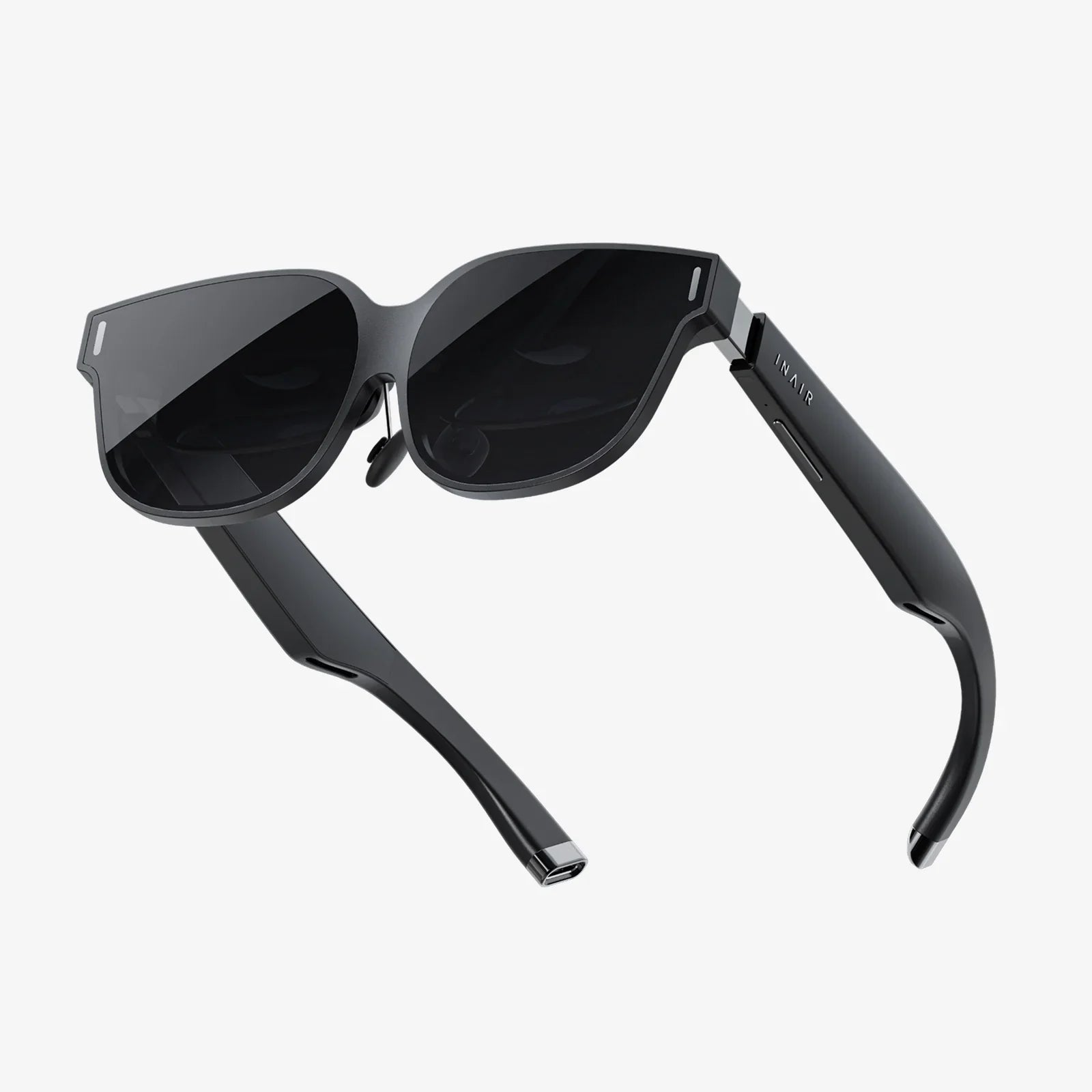
The technology is evolving at a breathtaking pace. We are rapidly moving towards the integration of haptic feedback, allowing users to feel a virtual handshake or the texture of a digital object. Augmented Reality (AR) glasses will eventually blend digital objects into our physical world, allowing a 3D model to appear on your real desk while you see your colleagues’ avatars sitting around it.
Artificial Intelligence will play a huge role, acting as a meeting facilitator—transcribing conversations, automatically creating action items based on discussion, and even providing real-time data visualizations summoned by a voice command during a brainstorm.
The line between the physical and the digital will continue to blur. The virtual meeting room will become less of a destination you "go to" and more of a layer of information and interaction seamlessly overlaid onto our reality.
The two-dimensional, pixelated window of today's video call is merely a stepping stone. The virtual meeting room in VR represents the next quantum leap in human connection, offering a profound sense of shared space and presence that has been missing from digital communication. It’s a promise of collaboration that is not just efficient, but intuitive, engaging, and fundamentally more human. The office of the future isn’t in a downtown skyscraper or a suburban campus; it’s anywhere we put on a headset and step into a shared reality, limited only by our collective imagination.
Share:
AR Microdisplay News: The Unseen Engine Powering the Next Digital Revolution
Spatial Computing Updates News: The Next Evolution of Digital Interaction