


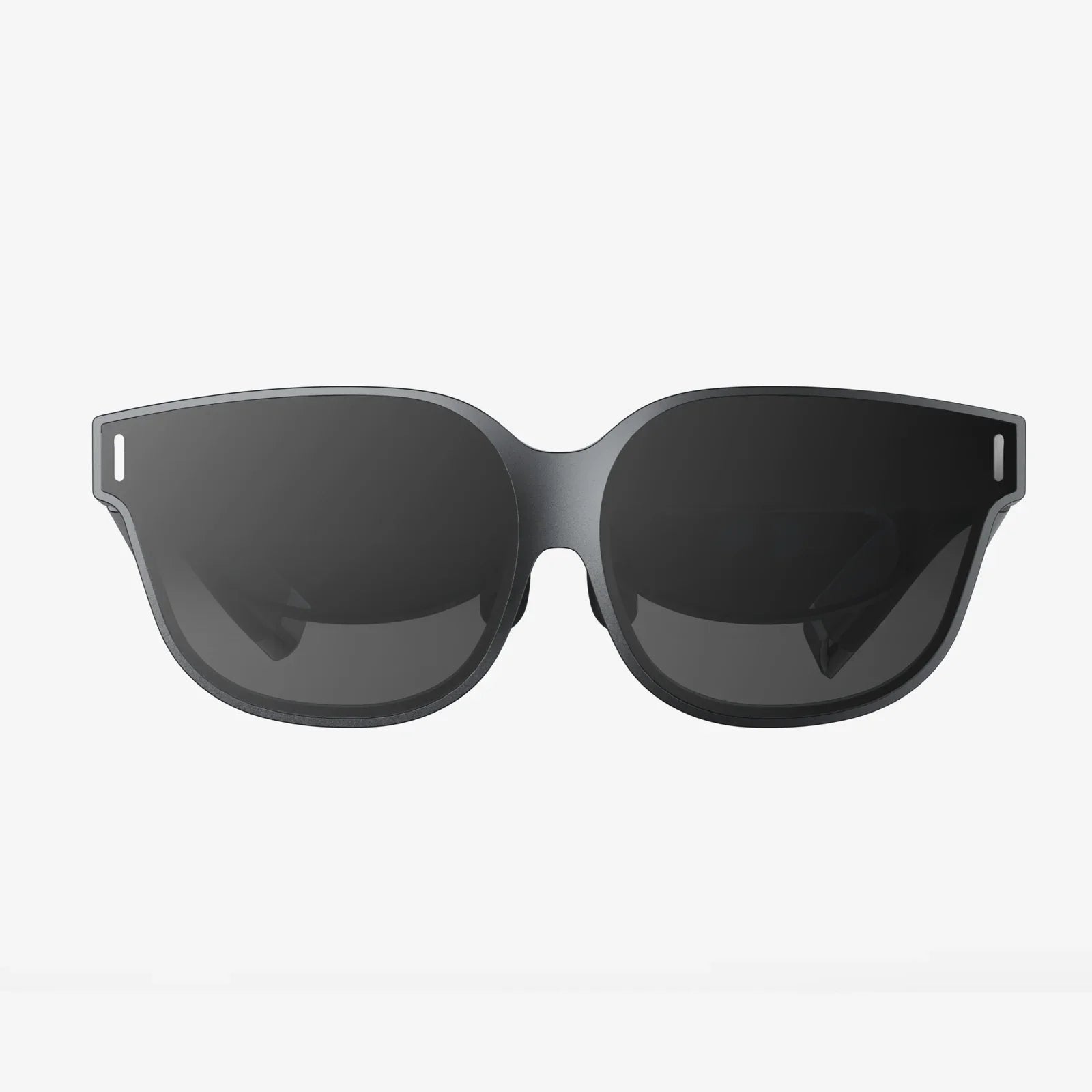
Imagine walking through a meticulously curated showroom, pulling a luxury sofa into the center of the room to examine its stitching, rotating a delicate piece of jewelry to catch the light from every angle, and even visualizing how a new appliance would fit perfectly into your kitchen—all without leaving your home. This is no longer a scene from science fiction; it is the powerful, present-day reality of virtual product display, a technological leap that is dissolving the physical barriers of commerce and redefining the very essence of how we discover, evaluate, and connect with products.
The Architectural Pillars of Virtual Display Technology
At its core, a virtual product display is a digital representation of a physical item, but its power lies in its interactivity and realism. This is not a simple static image or a basic 360-degree spin. The technology is built upon several sophisticated pillars that work in concert to create a convincing and useful experience for the end-user.
Photogrammetry and 3D Modeling: The journey begins with capturing the product itself. High-resolution photography from hundreds of angles is fed into photogrammetry software, which stitches these images together to create a precise and detailed 3D model. For even greater accuracy, especially for complex products, laser scanning is employed. These digital twins are then meticulously refined by 3D artists to ensure every texture, material property, and detail is perfectly represented.
Real-Time Rendering Engines: This is the beating heart of the experience. Borrowing technology from the video game industry, powerful rendering engines process the 3D models in real-time. This allows users to manipulate the product—zooming, rotating, and interacting—with zero lag, creating a fluid and immersive experience. The engine calculates how light interacts with the digital materials, providing realistic shadows, reflections, and highlights that are crucial for building consumer trust.
Augmented Reality (AR) Integration: AR is the killer application for virtual product display. By leveraging the camera on a smartphone or tablet, AR technology superimposes the life-size 3D model into the user's actual environment. This moves the experience from a isolated viewer on a screen to an interactive session within the user's world. Suddenly, they can see how a new chair fits their living room's aesthetic and scale, or how a potential sculpture would look on their patio.
WebGL and Accessible Deployment: The widespread adoption of WebGL, a JavaScript API for rendering interactive 3D graphics within any compatible web browser, has been a game-changer. It means that consumers no longer need to download a specialized app or have a powerful computer. A rich, interactive 3D experience can be embedded directly on a product page, making it instantly accessible to anyone with a modern smartphone or laptop, drastically reducing friction.
A Psychological Shift: From Viewing to Experiencing
The impact of virtual product display transcends mere visual novelty; it operates on a deeper psychological level, influencing perception, trust, and decision-making.
Building Tangibility and Reducing Uncertainty: The primary hurdle of online shopping has always been the inability to physically touch, feel, and assess a product. This creates a significant gap between consumer expectation and reality, leading to hesitation and high return rates. Virtual displays act as a powerful bridge across this gap. The ability to inspect a product from every conceivable angle, to zoom in on the texture of fabric or the finish of a material, provides a sense of tangibility that flat images cannot. This active exploration mimics the in-store experience, reducing perceived risk and building confidence in the purchase decision.
The IKEA Effect and Emotional Connection: There is a well-documented cognitive bias known as the IKEA Effect, where consumers place a disproportionately high value on products they partially created or assembled. Virtual product displays, particularly those using AR, tap into a similar principle. When a user spends time interacting with a product, customizing its features, and visualizing it in their own space, they are investing cognitive effort. This process fosters a sense of ownership and emotional connection before the purchase is even made, increasing the likelihood of conversion and decreasing the chance of returns.
Empowering the Consumer Narrative: Traditional commerce is a one-way street: a business displays a product, and a consumer evaluates it. Virtual displays transform this into a collaborative dialogue. The consumer becomes an active participant, placing the product within their own narrative and context. They are not just being sold to; they are experimenting and creating. This empowerment leads to more satisfying purchase journeys and stronger brand affinity.
Strategic Imperatives for the Modern Business
For forward-thinking businesses, implementing virtual product display is no longer a speculative experiment but a critical strategic move with measurable returns.
Skyrocketing Conversion Rates and Order Value: Data consistently shows that product pages featuring interactive 3D models and AR views experience a significant uplift in conversion rates. When uncertainty is minimized, consumers are more likely to click "buy." Furthermore, the ability to visualize products accurately often leads to consumers trading up to higher-value items and purchasing complementary products, increasing the average order value.
The War on Returns: Product returns are a colossal drain on profitability for e-commerce businesses, with size and fit being among the top reasons. Virtual try-ons for apparel, eyewear, and jewelry, and spatial planning for furniture, directly attack this problem at its source. By giving customers a true sense of scale, fit, and style in their environment, businesses can drastically reduce instances of "not as described" returns, saving millions in reverse logistics and lost inventory value.
A Potent Differentiator in a Crowded Market: In a digital landscape where competitors are often just a click away, providing an exceptional, memorable online experience is paramount. A brand that offers rich, interactive product exploration stands out as innovative, customer-centric, and trustworthy. This enhanced experience builds brand equity and fosters loyalty, turning casual browsers into devoted advocates.
Unlocking Valuable Data and Insights: Every interaction with a virtual product is a source of valuable data. Businesses can gain unprecedented insights into consumer behavior: which product features are zoomed in on most frequently, which colors or configurations are most popular in the AR viewer, and how long users engage with models. This data is gold dust for informing product development, marketing strategies, and inventory forecasting.
Challenges and Considerations for Implementation
Despite its immense potential, the path to integrating virtual product displays is not without its hurdles.
Initial Investment and Resource Allocation: Creating high-fidelity 3D models for an entire catalog requires a significant upfront investment in technology and skilled personnel (photographers, 3D modelers, and developers). Businesses must view this not as an expense but as a capital investment in the future of their sales channel, with a clear focus on ROI through the metrics mentioned above.
Technical Performance and Accessibility: While WebGL is widespread, ensuring a seamless experience across a vast array of devices, operating systems, and internet connection speeds is a complex technical challenge. A slow-loading or glitchy 3D model can be more damaging to the brand than having no model at all. Performance optimization is absolutely critical.
Integration with Existing Tech Stacks: The virtual display system must work flawlessly within the existing e-commerce platform, product information management (PIM) system, and content management system (CMS). This requires careful planning and potentially custom development to ensure a smooth workflow from product creation to digital deployment.
The Future is Interactive and Immersive
The evolution of virtual product display is rapidly accelerating, pointing towards an even more integrated and immersive future.
The next frontier is the integration of these experiences into the burgeoning metaverse—persistent, shared digital spaces. Virtual showrooms will become destinations where users, represented by avatars, can explore products together with friends or sales associates, blurring the lines between social networking and commerce.
Furthermore, advancements in haptic feedback technology aim to simulate the sense of touch, allowing users to virtually “feel” the texture of a fabric or the weight of an object. AI will also play a larger role, with systems recommending customizations and products based on a user's interaction patterns with the virtual models, creating a hyper-personalized shopping journey.
The line between our physical and digital lives is becoming increasingly porous, and the way we shop is at the forefront of this convergence. Virtual product display is not just a new feature; it is the foundational technology for the next era of retail—one that is more experiential, confident, and profoundly connected.
You've explored the potential of this digital revolution from every angle; now the only question that remains is what your customers will create when you finally hand them the keys.
Share:
AR User Experience: The Invisible Interface and the Future of Human-Computer Interaction
AI Virtualization: The Invisible Engine Reshaping Our Digital World