


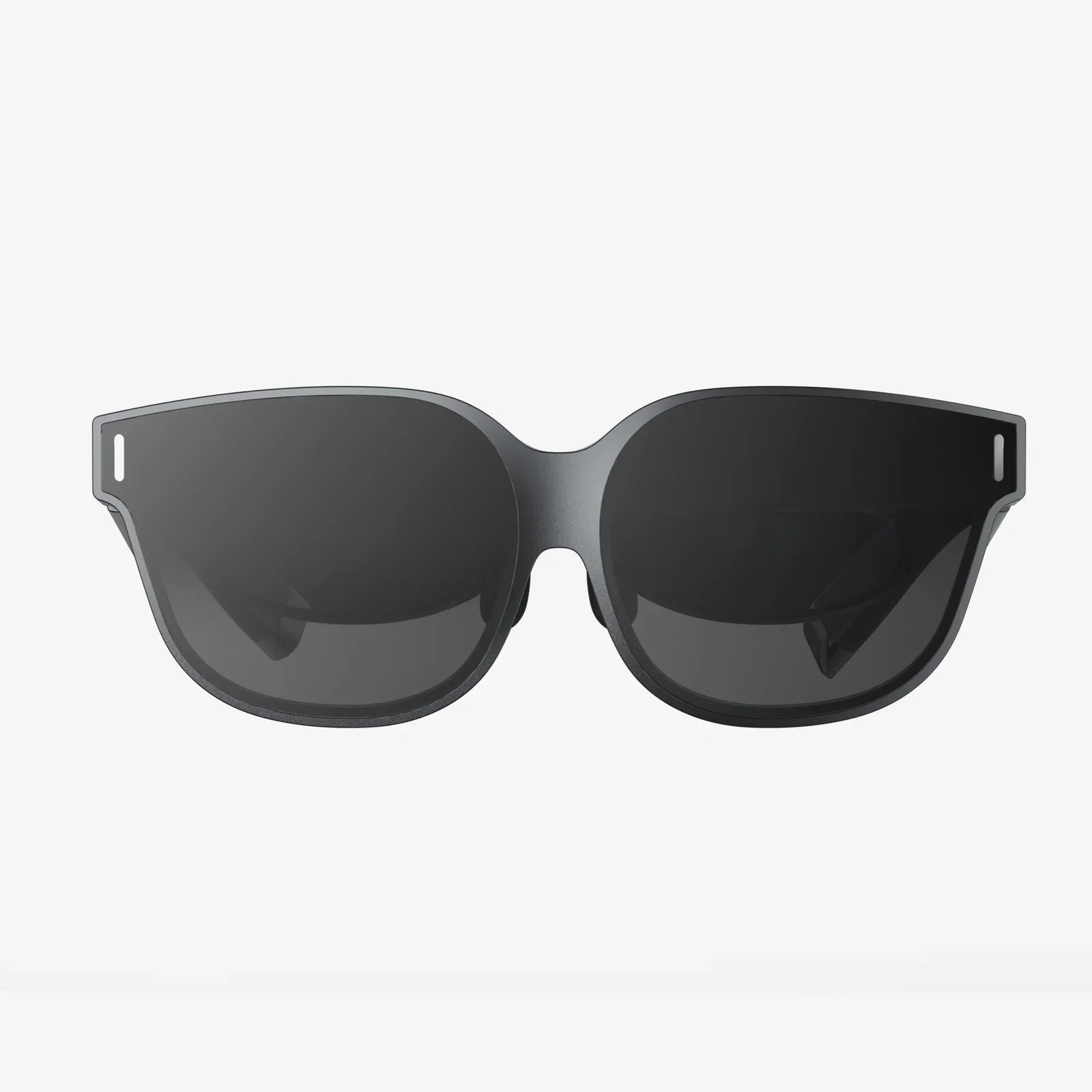
- by wangfred
Virtual Reality and 3D Imaging: The Future of Digital Interaction is Here
- by wangfred
Imagine stepping through your screen, reaching out to touch a digital object that feels as real as the device in your hand, and exploring a world that exists only as data yet feels tangibly present. This is no longer the stuff of science fiction but the burgeoning reality crafted by the powerful convergence of two transformative technologies: virtual reality and 3D imaging. Together, they are not just changing how we see the digital world; they are fundamentally rewriting the rules of human experience, interaction, and perception, promising a future where the line between the physical and the virtual becomes beautifully, and irrevocably, blurred.
Before delving into their synergy, it is crucial to understand these two distinct yet deeply interconnected fields. They are the twin engines powering this new era of immersion.
3D imaging is the art and science of capturing and representing objects in three dimensions—width, height, and depth. Unlike traditional 2D photography, which flattens a scene into a single plane, 3D imaging techniques strive to preserve the spatial relationships and geometric properties of the subject. This process creates a digital replica, often called a 3D model or a point cloud, which can be manipulated, analyzed, and viewed from any angle.
The methods for achieving this are diverse. Photogrammetry uses algorithms to stitch together hundreds of overlapping 2D photographs, calculating depth from the subtle differences between each image. Lidar (Light Detection and Ranging) projects millions of laser points onto a surface, measuring the time it takes for each pulse to return to the sensor to create an exquisitely detailed depth map. Structured light scanning projects a known pattern of light onto an object and analyzes the deformation of that pattern to calculate surface topography. Each technique has its strengths, from the photographic realism of photogrammetry to the precision of lidar, but all share the same goal: to faithfully digitize the physical world.
Virtual reality, in contrast, is a destination. It is a computer-generated simulation of an environment that can be interacted with in a seemingly real or physical way by a person using special electronic equipment, such as a headset with a screen inside or gloves fitted with sensors. The ultimate goal of VR is presence—the convincing illusion that you are actually there, within the digital realm.
This illusion is soldered together from several key components. Stereoscopic displays show slightly different images to each eye, tricking the brain into perceiving depth. Head-tracking technology monitors the user's head movements, updating the visual field in real-time to match their perspective, which is critical for maintaining immersion and avoiding discomfort. Spatial audio adds another layer of believability, with sounds changing dynamically based on the user's position and orientation within the virtual space. Together, these elements create a convincing, immersive bubble that separates the user from their physical surroundings.
While powerful on their own, the true magic happens when 3D imaging and virtual reality converge. They form a symbiotic loop: 3D imaging provides the high-fidelity content, and VR provides the immersive framework to experience it.
Think of 3D imaging as the camera that captures reality, and VR as the cinema that projects it. A stunning, photorealistic 3D model of a ancient artifact is impressive on a computer monitor, but it remains a picture behind glass. Place that same model into a VR environment, and you can walk around it, lean in to examine intricate hieroglyphs, and view it at its true scale under virtual lighting. The data becomes an experience. The object transitions from being something you look at to something you are with.
This relationship is bidirectional. VR is also driving advancements in 3D imaging. The insatiable demand for more realistic and diverse VR content pushes the development of faster, more accurate, and more accessible 3D scanning technologies. The need to render these complex 3D models in real-time within a VR headset, without lag or latency, fuels innovation in graphics processing and compression algorithms. Each technology elevates the other, creating a positive feedback loop of progress.
The fusion of these technologies is already delivering profound value across a spectrum of fields, moving beyond entertainment into areas with significant real-world impact.
In medicine, the combination is saving lives and enhancing skills. Surgeons now use 3D imaging from CT and MRI scans to create precise models of a patient's unique anatomy—a specific tumor, a complex bone fracture, or a malformed heart. They can then import this model into a VR simulation to practice the procedure beforehand, navigating the specific challenges they will face in the operating room. This "surgical rehearsal" reduces operative time, minimizes risk, and improves patient outcomes. Furthermore, medical students can move beyond textbooks and cadavers to perform virtual dissections and explore detailed, interactive 3D models of the human body, accelerating their learning curve dramatically.
The AEC industry has been transformed. Architects and designers create buildings in 3D modeling software, but clients often struggle to interpret 2D blueprints and flat screens. By converting these models into VR walkthroughs, stakeholders can don a headset and experience the unbuilt space at full scale. They can assess sightlines, check for potential design clashes, evaluate lighting at different times of day, and make informed decisions about materials and layouts before a single brick is laid. This prevents costly change orders during construction and ensures the final product aligns perfectly with the client's vision.
Education is becoming an adventure. Instead of reading about ancient Rome, students can walk through a digitally reconstructed Forum, hearing the sounds of the city and witnessing historical events unfold around them. Museums are using 3D imaging to create perfect digital copies of fragile artifacts and priceless artworks, making them accessible to a global audience in VR exhibitions. This technology also offers a powerful tool for preservation, creating immutable 3D records of historical sites threatened by climate change, war, or natural decay, ensuring they can be experienced by generations to come.
The retail sector is on the cusp of a revolution. Online shopping has long been limited by its inability to assess scale, texture, and fit. 3D imaging allows products to be scanned and displayed as interactive models. Integrating this with VR takes it a step further. Imagine visualizing how a new sofa will look and fit in your living room, at the correct scale, before you buy it. Or trying on a pair of virtual glasses to see how they suit your face. This immersive shopping experience reduces uncertainty for the consumer and decreases return rates for the retailer.
Despite its immense potential, the path forward is not without obstacles. Several significant challenges must be addressed for this technological marriage to achieve widespread adoption.
The issue of latency is paramount. Any lag between a user's movement and the visual update in the headset can break immersion and cause cybersickness—a form of motion sickness. Processing incredibly dense 3D imaging data in real-time requires immense computational power. Furthermore, creating high-fidelity 3D models, especially through methods like photogrammetry, remains a time-consuming and technically demanding process, often requiring significant manual cleanup.
There are also human factors. VR hardware needs to become lighter, more comfortable, wireless, and offer higher-resolution displays to become a all-day productivity tool rather than a short-burst experience. Perhaps the most significant hurdle is the development of intuitive interaction paradigms. How do we naturally manipulate these virtual 3D objects? Advanced haptic feedback gloves and controllers are making strides, but the goal of feeling true texture and resistance remains a holy grail for the industry.
The trajectory of virtual reality and 3D imaging points toward a future of even deeper integration, ultimately leading to what many technologists call the "metaverse"—a persistent network of shared, interconnected virtual spaces. In this future, the digital and physical will not be separate realms but will be woven together into a seamless tapestry of experience.
We can anticipate a world where 3D imaging sensors are ubiquitous, embedded in our devices and environments, constantly scanning and updating a living digital twin of our world. Putting on lightweight, socially acceptable AR/VR glasses will allow us to see this digital layer overlaid onto our physical reality—navigation arrows on the street, historical information floating beside a monument, or a virtual colleague sitting on your real couch for a meeting.
Advancements in artificial intelligence will play a crucial role, automating the 3D modeling process and generating entirely new, realistic virtual environments and objects on demand. The resolution of displays and accuracy of haptics will eventually approach a level of fidelity indistinguishable from physical reality. This will unlock applications we can scarcely imagine today, from telepresence that feels like actual travel to new forms of art and social connection that transcend physical limitations.
The journey started with simple pixels on a screen is now hurtling us toward a reality where our digital creations have depth, weight, and presence. The screen itself is dissolving, replaced by a new medium that surrounds us, responds to us, and feels as real as life itself. This is the ultimate promise of virtual reality and 3D imaging—not to escape our world, but to understand it better, to preserve it, to enhance it, and to build entirely new ones limited only by the boundaries of our collective imagination. The door to this new dimension is now open, and the first steps inside are revealing a universe of limitless possibility.
Share:
Augment Reality Metaverse Virtual Reality: The Trifecta Reshaping Human Existence
What Is Needed for Virtual Reality: The Ultimate Hardware and Software Guide