


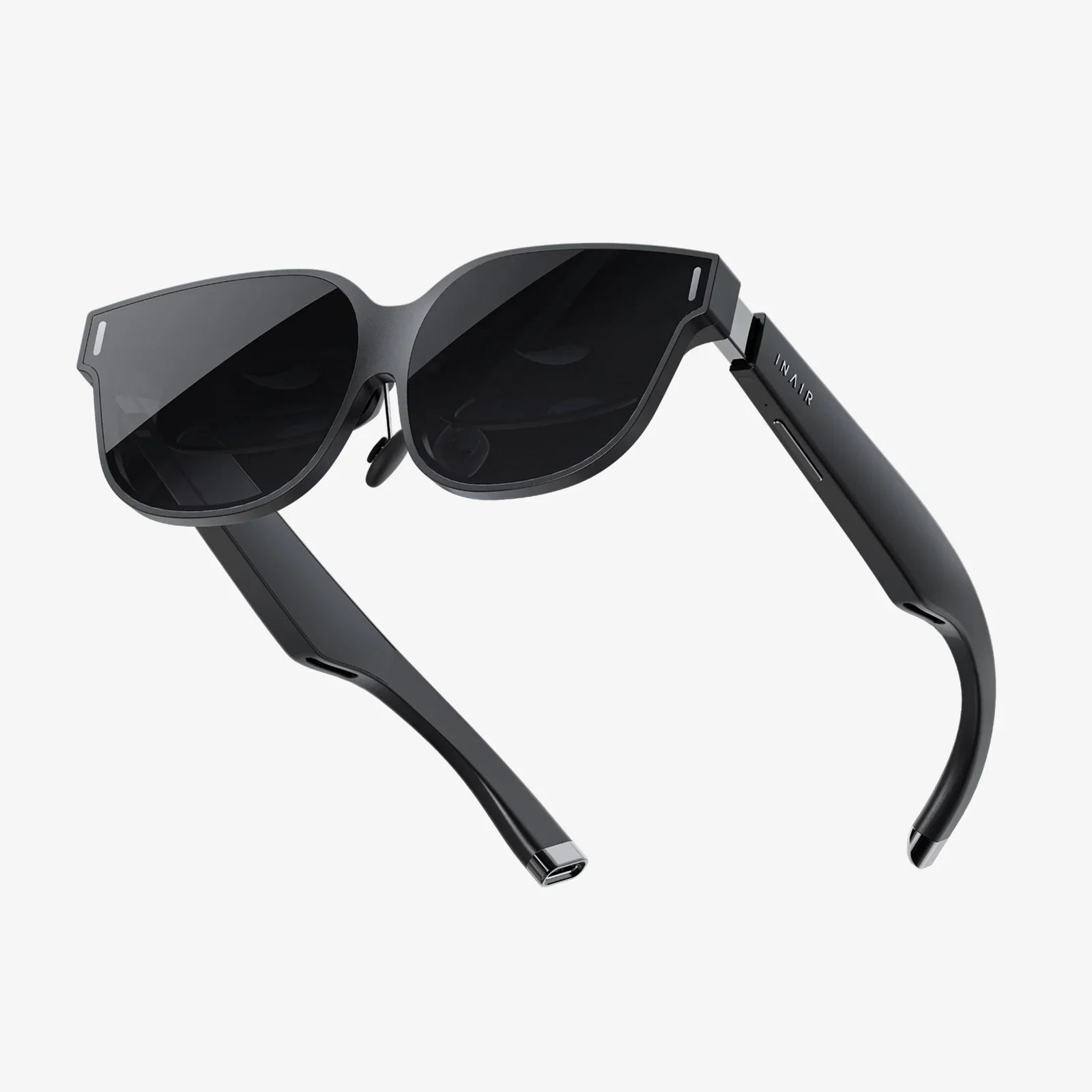
Imagine slipping on a headset and instantly being transported—to the edge of a volcano, the operating room of a bustling hospital, or the surface of Mars. This is the captivating promise of virtual reality (VR), a technology that has evolved from science fiction fantasy into a powerful tool reshaping entertainment, education, and enterprise. The term itself conjures images of gamers lost in digital battles, but the reality is far more profound and diverse. The world of VR is not a monolith; it is a rich spectrum of experiences, each with its own unique capabilities, applications, and level of immersion. Understanding the different types of virtual reality is key to appreciating its vast potential and the revolutionary ways it is beginning to weave into the fabric of our daily lives.
The Foundation: Defining Virtual Reality
At its core, virtual reality is a simulated experience that can be similar to or completely different from the real world. It is a computer-generated environment that aims to create a persuasive illusion of being present in a non-physical world. This is achieved by engaging our senses, primarily sight and sound, and sometimes even touch and smell, to create a sense of embodiment within a digital space. The fundamental goal of any VR system is to achieve immersion—the technical quality of the system that provides a convincing, inclusive, and vivid experience—and presence—the user's psychological sensation of actually being there. The success of a VR experience is measured by its ability to trick the brain into suspending disbelief, a feat accomplished through a combination of sophisticated hardware and software.
The Pillars of VR Technology
Before delving into the types, it's crucial to understand the common technological components that make VR possible. These pillars form the backbone of most systems, though their complexity and implementation vary.
1. The Head-Mounted Display (HMD)
The HMD is the most recognizable piece of VR hardware. It is a wearable device containing one or two high-resolution displays positioned close to the eyes, with lenses that focus and reshape the image for each eye to create a stereoscopic 3D effect. Modern HMDs incorporate a suite of sensors, including gyroscopes, accelerometers, and magnetometers, to track head orientation (rotation and tilt) with extreme precision. This allows the virtual environment to respond naturally as the user looks around.
2. Tracking Systems
For a truly immersive experience, the system must track not just the head but often the user's entire body position and movements in real-time. This is done through various methods:
- Inside-Out Tracking: Cameras and sensors on the HMD itself look at the surrounding environment to determine its position. This is common in standalone, untethered headsets.
- Outside-In Tracking: External sensors or cameras placed around the room track the position of the HMD and controllers. This method is often considered more precise for high-end applications.
3. Input Devices
Interaction is key to immersion. VR systems use a variety of input devices, from simple handheld controllers with buttons and joysticks to more advanced data gloves that track finger movements with high fidelity. Haptic feedback devices provide a sense of touch, simulating the feeling of interacting with virtual objects.
4. Computing Power
Generating complex, photorealistic 3D worlds at a high enough frame rate (typically 90 frames per second or higher) requires immense graphical processing power. This can come from a high-end external computer tethered to the headset or from increasingly powerful processors integrated into standalone devices.
5. Audio
Spatial or 3D audio is a critical yet often overlooked component. By simulating how sound waves interact with the human head and ears, it allows users to perceive sounds as coming from specific locations in the virtual space, enhancing the sense of presence dramatically.
The Spectrum of Virtual Reality: Five Core Types
The field of VR is best understood as a continuum, ranging from experiences that offer a mere window into a virtual world to those that seek to fully replace reality. The primary differentiator is the level of immersion they provide.
1. Non-Immersive Virtual Reality
This is the most common and accessible form of VR, though many people don't even recognize it as such. Non-immersive VR provides a virtual environment but does not shut out the physical world. The user remains aware of and connected to their real surroundings.
Characteristics:
- Display: A standard desktop computer monitor, television, or even a smartphone screen.
- Interaction: Common input devices like a mouse, keyboard, gamepad, or a basic motion-sensing controller.
- Immersion Level: Low. The user views the virtual world from a distance rather than feeling physically inside it.
Applications and Examples:
This category encompasses a vast amount of digital content. A flight simulator game played on a PC, building a model in computer-aided design (CAD) software, or even navigating Google Earth are all examples of non-immersive VR. The user manipulates a virtual world but does so from the comfort of their desk, fully conscious of the room around them. It is an excellent tool for visualization, training, and entertainment where full sensory isolation is neither necessary nor desired.
2. Semi-Immersive Virtual Reality
Semi-immersive VR offers a middle ground, providing a more deeply engaging experience than a standard screen but without the complete isolation of a full HMD. It often combines high-quality visual displays with physical elements to enhance realism.
Characteristics:
- Display: Large projection screens, multiple monitor setups, or high-resolution digital walls.
- Interaction: Can include more specialized peripherals like a realistic flight yoke in an aviation simulator or a steering wheel for driving.
- Immersion Level: Medium. The visual field is dominated by the virtual world, but the user can still easily see their own body and immediate physical space.
Applications and Examples:
The classic example is a flight simulator used for pilot training. A trainee sits in a physical cockpit replica that pitches and rolls, facing a wide, curved screen that displays a realistic landscape. This provides a high degree of functional realism for practicing procedures without the cost and danger of an actual flight. Other applications include architectural walkthroughs on a large display or virtual welding trainers used in technical education.
3. Fully Immersive Virtual Reality
This is what most people envision when they hear "virtual reality." Fully immersive VR aims to completely replace the user's real-world environment with a digital one, creating a strong sensation of presence.
Characteristics:
- Display: A high-quality Head-Mounted Display (HMD) that blocks out the external world and fills the user's field of view.
- Tracking: Comprehensive tracking of head, and usually hand and body movements, often within a designated physical space.
- Interaction: Motion-tracked controllers or data gloves that allow for natural manipulation of virtual objects.
- Immersion Level: High. The user's primary sensory input is now digital.
Applications and Examples:
This type is dominant in the consumer market for gaming and entertainment, allowing users to explore fantastical worlds and narratives. Its applications extend far beyond play. Surgeons use fully immersive VR to plan complex operations by practicing on a precise virtual model of a patient's anatomy. Therapists use it for exposure therapy, safely treating phobias like fear of heights or flying. Engineers use it for collaborative design review, examining life-size 3D models of new products before they are physically built.
4. Collaborative and Social VR
While not a distinct technological category in terms of hardware, Collaborative VR represents a significant evolution in application. It focuses on connecting multiple users within a shared, persistent virtual space, regardless of their physical location.
Characteristics:
- Avatars: Users are represented by digital avatars, which can range from simple cartoonish figures to highly realistic representations that mimic facial expressions and body language.
- Shared Environment: A synchronized virtual world where all users can see and interact with each other and with digital objects.
- Spatial Audio: Allows for natural conversation, as voices appear to come from the location of a user's avatar.
Applications and Examples:
This type is the foundation for the concept of the "metaverse." It is used for virtual meetings and conferences, offering a more engaging alternative to video calls. In education, students from across the globe can meet in a virtual classroom to dissect a virtual frog or visit a historical site together. Musicians can hold virtual concerts, and friends can socialize and play games in a virtual space, making it a powerful tool for combating social isolation and building community.
5. Augmented Reality (AR) and Mixed Reality (MR)
Though often discussed separately, AR and MR exist on the same reality-virtuality continuum as VR. They are crucial to understanding the broader ecosystem of immersive technologies.
Augmented Reality (AR):
AR overlays digital information onto the user's view of the real world. It does not replace reality but enhances it. A common example is using a smartphone camera to see how a piece of virtual furniture would look in your living room. The digital object is simply placed on top of the live video feed.
Mixed Reality (MR):
MR is a more advanced form of AR where virtual objects are not just overlaid but integrated into the real world. They can be occluded by physical objects (e.g., a virtual character hiding behind your real sofa), interact with the lighting of the room, and appear anchored in space. This requires advanced understanding of the physical environment through sensors and cameras. MR headsets, often called "see-through" HMDs, allow users to interact with both physical and digital objects simultaneously.
Applications and Examples:
AR is widely used for industrial maintenance, where a technician can see repair instructions overlaid on a malfunctioning machine. MR is poised to revolutionize fields like design and medicine, allowing a surgeon to see a patient's vital stats and 3D scan data visually pinned to their body during an operation without looking away.
Specialized and Emerging Types
Beyond these core categories, several specialized forms of VR push the boundaries of immersion even further.
CAVE Automatic Virtual Environment (CAVE)
A CAVE is a specialized, room-sized semi-immersive system. It typically consists of multiple projection walls (usually three, four, or five) and a floor to create a cube of imagery. Users inside the CAVE wear 3D glasses to perceive the environment as a cohesive, life-size 3D world. Its main advantage is allowing multiple people to share the VR experience simultaneously, making it ideal for collaborative design and review sessions in automotive and aerospace industries.
Haptic VR
This type focuses on incorporating the sense of touch through force feedback and tactile sensations. Beyond simple controller vibrations, advanced haptic systems can include full-body suits that simulate the feeling of impact, temperature changes, and even pressure. This is a critical area of development for military training, medical simulation, and deep entertainment immersion.
WebVR and Cloud-Based VR
This emerging paradigm aims to make VR more accessible by moving the heavy computational workload to the cloud. Instead of requiring an expensive computer, a lighter, cheaper headset could stream a high-fidelity VR experience over a robust internet connection, much like streaming a movie. WebVR standards also allow for VR experiences to be delivered directly through a web browser, lowering the barrier to entry significantly.
The Future Trajectory of VR Types
The evolution of VR is moving towards greater immersion, accessibility, and convergence. Standalone headsets are becoming more powerful, blurring the line between mobile and high-end VR. The integration of Artificial Intelligence will create more dynamic and responsive virtual worlds. Perhaps the most futuristic frontier is the development of direct neural interfaces, which aim to create VR experiences by stimulating the brain directly, bypassing traditional sensory organs altogether to achieve the ultimate level of immersion. As the technology matures, the distinct types of VR will likely become more fluid, with users seamlessly transitioning between augmented, virtual, and physical realities throughout their day.
The journey through a virtual landscape is no longer a distant dream but a tangible, evolving reality. From the simple screen-based interfaces we've used for decades to the brain-computer interfaces of tomorrow, the types of virtual reality form a roadmap of human ingenuity in our quest to create, explore, and connect. This is merely the first level; the next awaits, ready for you to log in and discover what lies beyond the horizon of the possible.
Share:
Virtual Reality Safety: Navigating the Unseen Risks of Immersive Technology
Virtual Reality Could Reshape Our World: From Entertainment to Empathy