


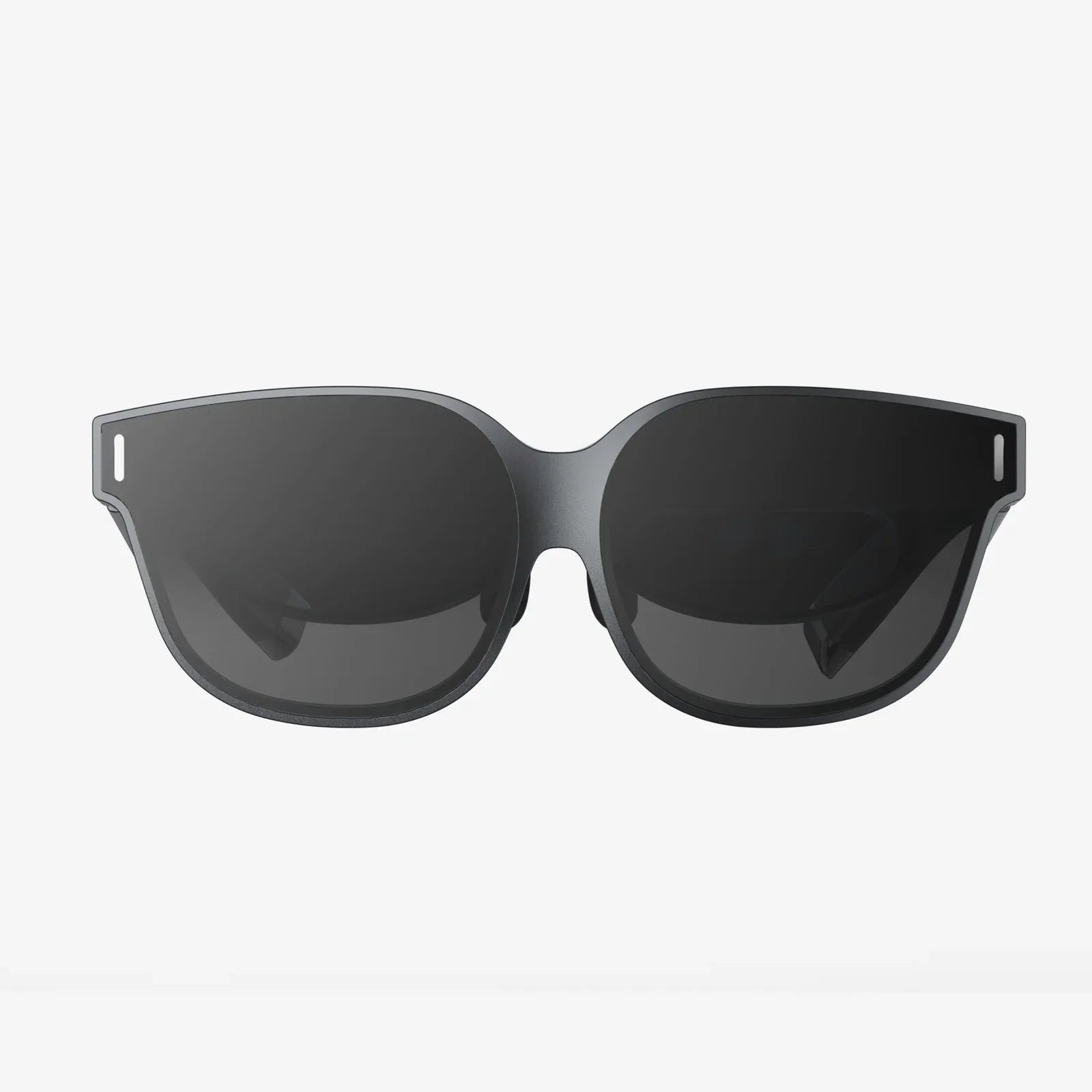
Imagine strapping on a headset and instantly being transported to a surgical operating room, a classroom on the other side of the world, or the surface of Mars. This is no longer the stuff of science fiction but a rapidly evolving reality. Virtual reality (VR) technology has burst from the pages of speculative novels into our daily lives, promising to revolutionize how we work, learn, heal, and play. Yet, beneath the shimmering surface of this immersive new world lurk profound questions and potential perils. The journey into virtual reality is one of incredible potential shadowed by significant risk, a digital frontier we are only beginning to map.
The Allure of Immersion: Defining the Virtual Landscape
At its core, virtual reality is a simulated experience that can be similar to or completely different from the real world. Utilizing head-mounted displays (HMDs), motion-tracking sensors, and specialized controllers, VR creates a convincing, interactive digital environment that replaces the user's natural surroundings. This technology exists on a spectrum, from non-immersive systems viewed on a standard screen to fully immersive environments that engage all senses. The current wave of consumer and professional VR is characterized by its ability to induce a powerful sense of presence—the psychological phenomenon where the user's brain accepts the virtual environment as real, at least for the duration of the experience. This sense of "being there" is the engine that drives both its most exciting benefits and its most concerning dangers.
Transformative Benefits Across Industries
The applications of virtual reality extend far beyond entertainment and gaming, permeating sectors that form the bedrock of society. The benefits are already demonstrating tangible, positive impacts.
Revolutionizing Healthcare and Therapy
In medicine, VR is nothing short of transformative. Surgeons now use detailed VR simulations to practice complex procedures, allowing them to rehearse on a perfect digital copy of a patient's anatomy before making a single incision. This practice reduces error rates and improves patient outcomes. Beyond the operating room, VR has become a powerful therapeutic tool. Exposure therapy for conditions like Post-Traumatic Stress Disorder (PTSD) and severe phobias can be conducted in a safe, controlled, and gradual manner. A patient with a fear of heights can practice standing on a virtual balcony, while a veteran coping with trauma can confront triggering scenarios at a pace they control, all under the guidance of a therapist. Furthermore, VR is being used for pain management, distracting burn victims during painful wound care procedures with immersive, calming environments that significantly reduce perceived pain levels.
Redefining Education and Training
The educational potential of VR is staggering. Instead of reading about ancient Rome, students can take a guided tour of a digitally reconstructed Colosseum. Medical students can dissect a virtual cadaver from every angle, and astronomy classes can embark on a journey through our solar system. This experiential learning boosts engagement and improves knowledge retention. In corporate and industrial training, VR creates risk-free environments for practicing high-stakes skills. Electricians can learn to work with high-voltage equipment, pilots can navigate emergency scenarios, and factory workers can master complex assembly line machinery—all without the real-world risks of injury or costly mistakes. This democratizes access to experiences and training that would otherwise be dangerous, expensive, or geographically impossible.
Fostering Empathy and Social Connection
One of the most profound benefits of VR is its capacity to foster empathy and human connection. Projects that allow users to "step into the shoes" of another person—experiencing a day in the life of someone with a disability, a refugee, or someone from a completely different cultural background—can break down barriers and build understanding in a way that films or books cannot. For those separated by distance, social VR platforms offer a sense of shared presence that video calls cannot match. Families can share a virtual living room, colleagues can collaborate in a digital workspace as if they were side-by-side, and friends can attend concerts or explore virtual worlds together, mitigating the isolating effects of physical separation.
The Flip Side of the Coin: Navigating the Dangers
For all its promise, the immersive power of VR is a double-edged sword. The very qualities that make it beneficial also create a host of dangers that individuals and society must urgently address.
Psychological and Physiological Impacts
The most immediate danger for many users is cybersickness, a type of motion sickness characterized by dizziness, nausea, and headaches, caused by a disconnect between visual motion cues and the body's vestibular sense. While often temporary, it can be severe enough to deter use. More insidiously, intense VR experiences can lead to psychological effects that linger long after the headset is removed. Users can experience dissociation, a blurring of the lines between the virtual and the real world. High-intensity games or simulations can cause elevated stress, anxiety, or sleep disturbances. There is also the risk of reality blurring, where a user's actions in the real world are influenced by behaviors learned in a consequence-free virtual space. The long-term psychological impact of regularly inhabiting a virtual body, or avatar, is a subject of ongoing and critical research.
Privacy and Data Security: The Ultimate Surveillance Tool
If smartphones collect data, VR headsets are a data-harvesting revolution. They don't just track what you click; they track how you move, where you look, how long your gaze lingers, the subtle nuances of your hand gestures, and even pupil dilation (which can indicate emotional arousal or cognitive load). This collection of biometric data creates an unprecedentedly intimate profile of a user. The danger lies in how this deeply personal data is stored, used, and potentially sold or hacked. Could this data be used by employers to monitor focus? By advertisers to manipulate attention and emotion with terrifying efficiency? The potential for surveillance and manipulation in VR represents one of the gravest threats to personal privacy we have yet encountered.
Social Isolation and the Erosion of Reality
Paradoxically, a technology designed for connection could accelerate social isolation. If a virtual world becomes more appealing than the real one—more stimulating, more comfortable, or more rewarding—users may withdraw from physical social interactions and responsibilities. This echoes concerns about other digital technologies but is amplified by VR's total immersion. There is a tangible risk of users neglecting real-world relationships, health, and hygiene in favor of virtual escapism. Furthermore, as VR experiences become more realistic and compelling, we risk a collective erosion of shared reality. If everyone can retreat into a personalized, algorithmically-curated virtual universe, our common ground for discourse, community, and truth itself could fracture.
The Ethical Quagmire: Addiction and Behavioral Manipulation
The immersive nature of VR makes it potentially highly addictive. Game and application designers can employ the same reward-loop psychology found in social media and gaming, but with far greater potency due to the feeling of physical presence. This raises serious ethical questions about user exploitation and informed consent. Furthermore, VR's power for behavioral training is a tool that can be used for both good and ill. While it can train surgeons and foster empathy, it could also be used for propaganda, extremist radicalization, or military desensitization training with terrifying effectiveness. Establishing ethical frameworks for the development and deployment of these persuasive technologies is a pressing challenge.
Striking a Balance: Towards a Responsible Virtual Future
Navigating the future of VR requires a proactive and multifaceted approach. We cannot simply invent and release; we must guide and govern. This involves robust research into the long-term effects of use, particularly on developing brains. It demands strong, forward-thinking regulations around data privacy and biometric information, treating them with the same seriousness as medical records. Digital literacy education must evolve to include "virtual citizenship," teaching users, especially children, how to engage with these environments critically and safely. Finally, the onus is on developers and companies to embrace ethical design principles, prioritizing user well-being over engagement metrics and building safeguards—like clear time-limit warnings and mandatory breaks—into their platforms from the ground up.
The shimmering world behind the headset is not a utopia or a dystopia; it is a reflection of our own. It amplifies human potential for creativity, connection, and knowledge, while also magnifying our flaws—our craving for escape, our capacity for manipulation, and our vulnerability to addiction. The path forward isn't to reject this powerful technology but to approach it with clear eyes, healthy skepticism, and a unwavering commitment to shaping it into a tool that serves humanity, and not the other way around. The ultimate virtual reality benefit will be our ability to harness its power without succumbing to its dangers, ensuring our foray into the digital unknown enhances our humanity rather than leaving it behind.
Share:
Why Have Virtual Reality: The Ultimate Portal to New Realities
What is a Characteristic of Virtual Reality? Exploring the Core Tenets of Immersive Digital Worlds