


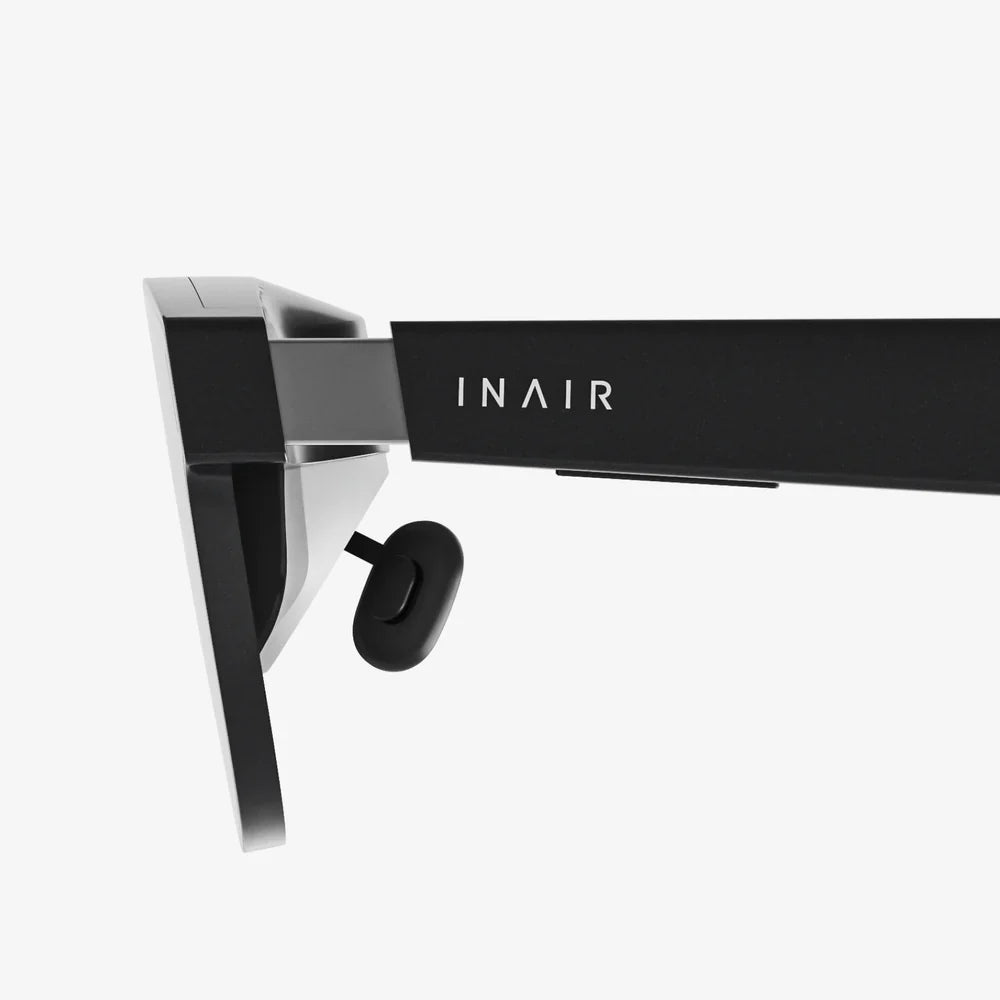
Imagine slipping on a device and instantly being transported from your living room to the heart of a sprawling alien metropolis, the deck of a starship hurtling through a nebula, or the silent, eerie corridors of a forgotten castle. This is no longer the stuff of science fiction; it is the immediate, breathtaking reality offered by the modern virtual reality gaming headset. More than just a piece of hardware, it is a passport to experiences that defy the constraints of physical space, a technological marvel that has fundamentally redefined our very concept of play, storytelling, and human connection. The journey to this point has been rapid and revolutionary, and it’s only just beginning.
The Architectural Pillars of Presence
At its core, a virtual reality gaming headset is a symphony of advanced technology engineered to achieve a single, critical goal: the illusion of presence. This is the undeniable, often unsettling feeling that you are truly "there" in the virtual environment. This feat is accomplished through several interconnected pillars of technology working in perfect harmony.
The Visual Gateway: Displays and Lenses
The most direct interface between you and the digital world is the pair of high-resolution displays, one for each eye, housed within the headset. These are not merely screens; they are the canvas upon which entire universes are painted. Early iterations suffered from the "screen door effect," where the visible lines between pixels broke immersion, reminiscent of looking through a mesh door. Modern headsets have all but eradicated this through incredibly high pixel density, often referred to as pixels-per-degree (PPD), creating a seamless, crisp image.
These displays are viewed through a complex set of optical lenses. These lenses perform the crucial task of focusing and reshaping the image from the flat panel into a stereoscopic, wide-field-of-view (FOV) experience that mimics human binocular vision. A wider FOV increases immersion by filling more of your peripheral vision, pulling you deeper into the world. The precision of these lenses is paramount in preventing eye strain and ensuring visual comfort during extended sessions.
Mapping the Real to the Virtual: Tracking Systems
For the virtual world to feel responsive and real, the headset must know precisely where you are and how you are moving. This is the domain of tracking technology, which comes in two primary forms.
Outside-In Tracking: This system uses external sensors or base stations placed around the play area. These devices emit lasers or infrared light that is detected by sensors on the headset and controllers. By triangulating the signals, the system can pinpoint the exact position and orientation of your hardware with millimetre accuracy. This method is renowned for its exceptional precision, which is crucial for competitive gaming and detailed interactions.
Inside-Out Tracking: A more recent and increasingly popular approach, inside-out tracking embeds all the necessary cameras and sensors directly onto the headset itself. These cameras observe the physical environment, tracking the movement of distinct features in the room to calculate the headset's position relative to the world. This eliminates the need for external hardware, making setup significantly easier and more portable, though it can sometimes be slightly less precise for rapid, minute movements.
Hearing and Feeling: Audio and Haptics
Immersion is a multi-sensory experience. Spatial audio, often delivered through built-in headphones or specialized audio straps, is a game-changer. Unlike standard stereo sound, spatial audio simulates how sound waves interact with the environment and your ears. You can hear the distinct echo of footsteps behind you, the whisper of an ally to your left, or the roar of a dragon soaring overhead. This auditory cue is not just for atmosphere; it is a critical tool for situational awareness and deepens the sense of being physically present in a space.
Furthermore, haptic feedback translates digital events into physical sensations. Advanced controllers rumble and vibrate with tailored intensity, allowing you to feel the recoil of a virtual weapon, the thrum of a magical spell coursing through your hands, or the subtle texture of a virtual object. This tactile layer bridges the gap between seeing an action and feeling it, completing the feedback loop of interaction.
A Revolution in Game Design and Narrative
The advent of the consumer-grade virtual reality gaming headset did not just change how we play games; it forced a fundamental rethink of game design principles itself. Traditional gamepad-based mechanics often feel inadequate when you have a full range of motion at your disposal.
VR gaming introduced the concept of physics-based interaction. To pick up an object, you must physically reach out and close your virtual hand around it. To fire a bow, you must nock an arrow, draw the string, and aim. To shield yourself from an attack, you must raise your arm in a defensive posture. This shift from abstract button presses to intuitive physical actions creates a powerful and direct connection between the player and the game world. It demands a new level of engagement, turning every action into a deliberate and often physically involved choice.
Narrative, too, has been transformed. VR is the ultimate medium for experiential storytelling. Instead of watching a character's journey through a camera, you inhabit their perspective. The scale of environments becomes palpable—standing at the foot of a colossal titan is an awe-inspiring experience that a flat screen cannot replicate. Emotional moments land with greater impact because you are not an observer but a participant within the scene. Developers can craft stories that leverage this intimacy, creating memories and moments that feel uniquely personal because you were "there."
Beyond the Game: The Expansive Horizon of VR
While gaming is the most prominent application, the utility of a virtual reality headset extends far beyond entertainment. This technology is becoming a versatile tool in numerous professional and social fields.
In education, students can take virtual field trips to the surface of Mars, the depths of the ocean, or ancient Roman ruins, interacting with history and science in a visceral way. Medical students can practice complex surgical procedures in a risk-free simulated environment. Architects and engineers can walk clients through full-scale 3D models of unbuilt structures, making design choices tangible long before construction begins.
Social interaction is also being reimagined. VR social platforms allow people from across the globe to meet, converse, and share experiences in a shared virtual space as embodied avatars. The sense of co-presence—of being in the same room with someone who is physically thousands of miles away—fosters a connection that video calls cannot match. From virtual concerts and movie nights to business meetings and collaborative workspaces, the headset is evolving into a new platform for human connection.
The Challenges on the Path to Ubiquity
Despite its incredible advances, the virtual reality gaming headset still faces significant hurdles on its path to mass adoption. The issue of accessibility remains paramount. High-end setups, while delivering the best experiences, still carry a substantial cost barrier, placing them out of reach for many consumers. Finding a balance between performance and price is an ongoing challenge for the industry.
Another critical barrier is physical comfort. Headsets have become lighter and better balanced, but issues of heat generation, pressure on the face, and the phenomenon of simulator sickness for some users are areas of intense research. The quest for the perfect ergonomic design—a device you can wear for hours without fatigue or discomfort—is crucial for encouraging longer and more frequent use.
Finally, there is the question of content. While the library of VR games and experiences grows daily, it still lacks the sheer volume and consistent AAA production values of the traditional gaming market. Convincing major studios to invest heavily in VR-exclusive projects requires a larger installed base of users, creating a classic chicken-and-egg scenario. The ecosystem thrives on a constant stream of compelling software.
Gazing into the Future: The Next Reality
The future of the virtual reality gaming headset is pointed toward solving these very challenges and pushing the boundaries of what is possible. We are moving towards increasingly wireless and untethered experiences, freeing users from the constraints of cables and empowering true freedom of movement. The development of varifocal displays, which dynamically adjust focus based on where you are looking, promises to solve the vergence-accommodation conflict, a key contributor to eye strain and a break in visual realism.
Perhaps the most exciting frontier is the integration of eye-tracking and facial expression tracking. This technology will allow avatars to convey nuanced emotions through their eyes and smiles, making social interactions incredibly lifelike. Furthermore, it enables foveated rendering, a technique where the headset renders only the area you are directly looking at in full detail, while intelligently reducing the detail in your peripheral vision. This dramatically reduces the computational power required, allowing for more complex graphics on less powerful hardware.
Further out, research into neural interfaces and haptic suits points to a future where the virtual experience can engage all our senses, potentially allowing us to feel virtual wind on our skin or the resistance of a virtual object. The line between the digital and the physical will continue to blur, driven by innovations born from the relentless pursuit of perfect presence.
The humble virtual reality gaming headset has already irrevocably altered the landscape of interactive entertainment, but its true potential is only starting to be unlocked. It is a gateway not just to new games, but to new ways of learning, creating, working, and connecting with others. As the technology becomes more refined, more comfortable, and more deeply integrated into our lives, the act of putting on a headset will feel less like starting a game and more like stepping through a portal—a portal to limitless human imagination and experience, waiting just on the other side of the lenses.
Share:
Why Is Virtual Reality Important to Society: Reshaping Our Collective Future
Virtual Reality Success: The Immersive Revolution Reshaping Our World