


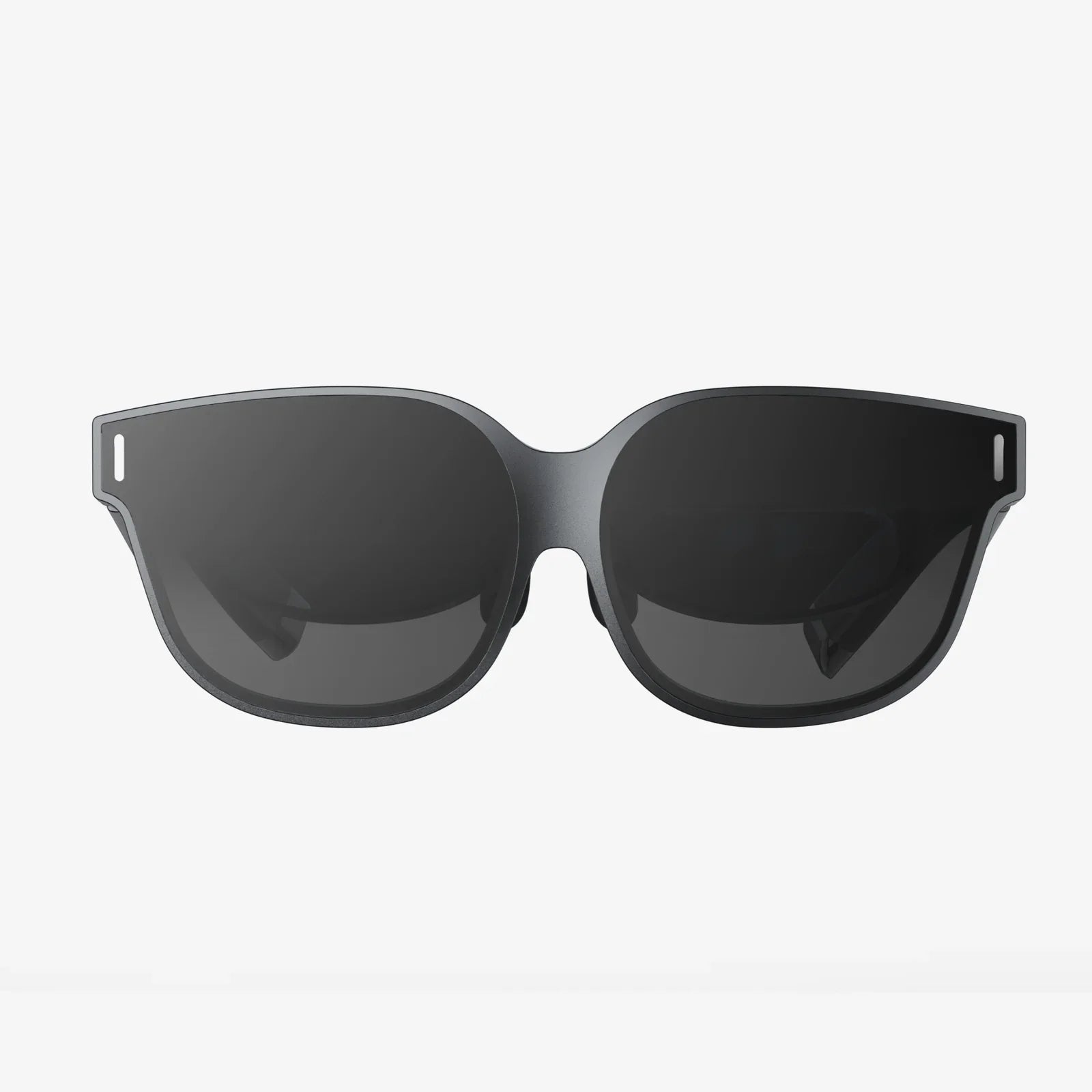
Imagine slipping on a sleek, futuristic visor and instantly being transported to a front-row concert seat, a distant mountaintop, or the cockpit of a starship. This is no longer the stuff of science fiction; it’s the tangible, awe-inspiring power of mobile virtual reality, an experience made possible by the powerful computers we carry in our pockets every day. The magic truly happens at the intersection of sophisticated hardware and accessible technology—specifically, the synergy between a virtual reality headset and a compatible phone. This gateway to other worlds is more accessible than ever, but unlocking its full potential requires understanding the critical partnership between your device and your headset. The journey into these digital realms starts with knowing what makes a phone not just work, but excel in delivering a seamless and breathtaking virtual experience.
The Engine of Immersion: What Makes a Phone Truly Compatible?
Not all smartphones are created equal when it comes to powering a high-fidelity virtual reality experience. The demands of rendering two distinct, high-resolution images at a blisteringly fast frame rate are immense. A phone that struggles with this task can lead to a subpar experience characterized by lag, screen door effects, and even motion sickness. Therefore, true compatibility extends far beyond simply fitting a device into a headset tray.
The Non-Negotiable: High-Resolution Display
The smartphone’s screen is your window into the virtual world. Since the display is magnified significantly by the headset's lenses, any imperfections become glaringly obvious. A high-resolution display is paramount. For a comfortable and immersive experience, a Quad HD (2560 x 1440) resolution is considered the absolute minimum baseline. However, for modern experiences that aim to minimize the "screen door" effect (where users can see the fine lines between pixels), a Quad HD+ or even a 4K (3840 x 2160) display is highly recommended. The higher the pixel density, the sharper and more convincing the virtual environment will appear.
The Beating Heart: Processing Power (CPU & GPU)
If the display is the window, the processor is the engine. Virtual reality applications are among the most computationally intensive tasks a mobile device can perform. The phone's Central Processing Unit (CPU) and, more importantly, its Graphics Processing Unit (GPU) must work in overdrive.
- CPU: A powerful, multi-core processor is essential for handling the physics calculations, audio processing, and overall system operations of the VR environment without hiccups.
- GPU: This is the true hero of mobile VR. The GPU is solely responsible for rendering the complex 3D graphics for each eye at a consistent and high frame rate. A weak GPU will result in low frame rates, visual stuttering, and a experience that can quickly become uncomfortable.
Modern, high-end chipsets are designed with these intense graphical workloads in mind, often featuring dedicated cores for VR and AR tasks.
The Critical Sensor Suite: Gyroscope, Accelerometer & Magnetometer
What truly separates a VR-compatible phone from a regular one is its sophisticated array of sensors. These components are responsible for tracking your head movements with extreme precision and low latency, creating the fundamental illusion of being present in a virtual space.
- Gyroscope: Tracks the orientation and rotational movement of your head (tilting, turning).
- Accelerometer: Measures linear acceleration and movement (leaning forward, backward, side-to-side).
- Magnetometer: Acts as a digital compass, correcting for drift that can occur in the gyroscope over time, ensuring your virtual world doesn't slowly spin away from you.
The speed and accuracy with which these sensors relay data are critical. Any noticeable delay between your physical movement and the virtual world's response can break immersion and cause disorientation or nausea.
Navigating the Ecosystem: Types of Mobile VR Headsets
The landscape of phone-powered virtual reality headsets has evolved significantly. Understanding the different types available will help you determine what to look for in a compatible device.
The Entry-Level: Cardboard & Plastic Viewers
These were the pioneers of mobile VR. Typically constructed from cardboard or simple plastic, these viewers have basic lenses and rely entirely on the phone's internal sensors for head tracking. They offer a fun, low-cost introduction to VR but lack refined features like adjustable focus, comfortable padding, or external controllers. Compatibility here is broad, but the experience is fundamentally limited by the headset's simplistic design.
The Refined Experience: Premium Tethered Headsets
This category represents the peak of mobile VR before the industry shifted towards all-in-one devices. These headsets are more sophisticated pieces of hardware. They often include:
- High-quality lenses with adjustable focus and pupil distance (IPD) settings.
- Comfortable, ergonomic designs with padded head straps.
- A dedicated wireless motion controller for interacting with the virtual world.
- Some even included additional sensors in the headset itself to improve positional tracking beyond just rotation.
While these headsets are no longer at the forefront of development, they still provide a fantastic experience and have more stringent phone requirements, often needing specific models from certain manufacturers to function correctly.
Optimizing Your Experience: Beyond Basic Compatibility
Once you have a phone that meets the technical specifications, you can take steps to ensure your journey into VR is as smooth and enjoyable as possible.
Managing Power and Heat
Rendering VR content is a massive drain on your phone’s battery and generates significant heat. Excessive heat can trigger thermal throttling, where the phone deliberately reduces its performance to cool down, leading to a sudden drop in frame rates and a jarring experience.
- Always start your VR sessions with a fully charged battery.
- Close all background applications before launching a VR experience.
- Consider removing the phone’s protective case before inserting it into the headset to aid heat dissipation.
- Play in a cool environment and take regular breaks to let your device (and yourself) cool down.
Storage and Content Management
High-quality VR games and 360-degree videos can be large files, easily ranging from hundreds of megabytes to several gigabytes. Ensure your phone has ample free storage space not only for the applications themselves but also for the temporary files and assets they need to run smoothly. A phone with expandable storage via a microSD card can be a major advantage for VR enthusiasts.
The Future of Phone-Powered VR
The VR industry has seen a decisive shift towards standalone headsets—all-in-one devices with their own built-in processors, displays, and batteries. This has led many to wonder about the future of phone-powered VR. However, this platform is far from obsolete. It remains the most accessible and cost-effective entry point for millions of consumers. Furthermore, as phones continue to become more powerful, with better displays, faster refresh rates, and more efficient chipsets, they will continue to serve as capable vessels for virtual experiences.
Emerging technologies like 5G connectivity could also breathe new life into mobile VR. Cloud-based VR streaming, where the intense graphical rendering is handled by remote servers and streamed to the headset, could potentially allow even mid-range phones to deliver high-end experiences, as long as they have a strong, low-latency internet connection.
The dream of instant, effortless immersion is already here, waiting in your pocket. By choosing a powerful virtual reality headset compatible phone, you hold the key to unlocking limitless adventures, breathtaking educational journeys, and revolutionary new ways to connect and play. The barrier to entry has never been lower, nor the potential experiences more extraordinary. Your front-row seat to the future is ready; all you need to do is look.
Share:
Virtual Reality Contact Lenses Price: The Future of Immersion and Its Staggering Cost
Virtual Reality Contact Lenses Price: The Future of Immersion and Its Staggering Cost