


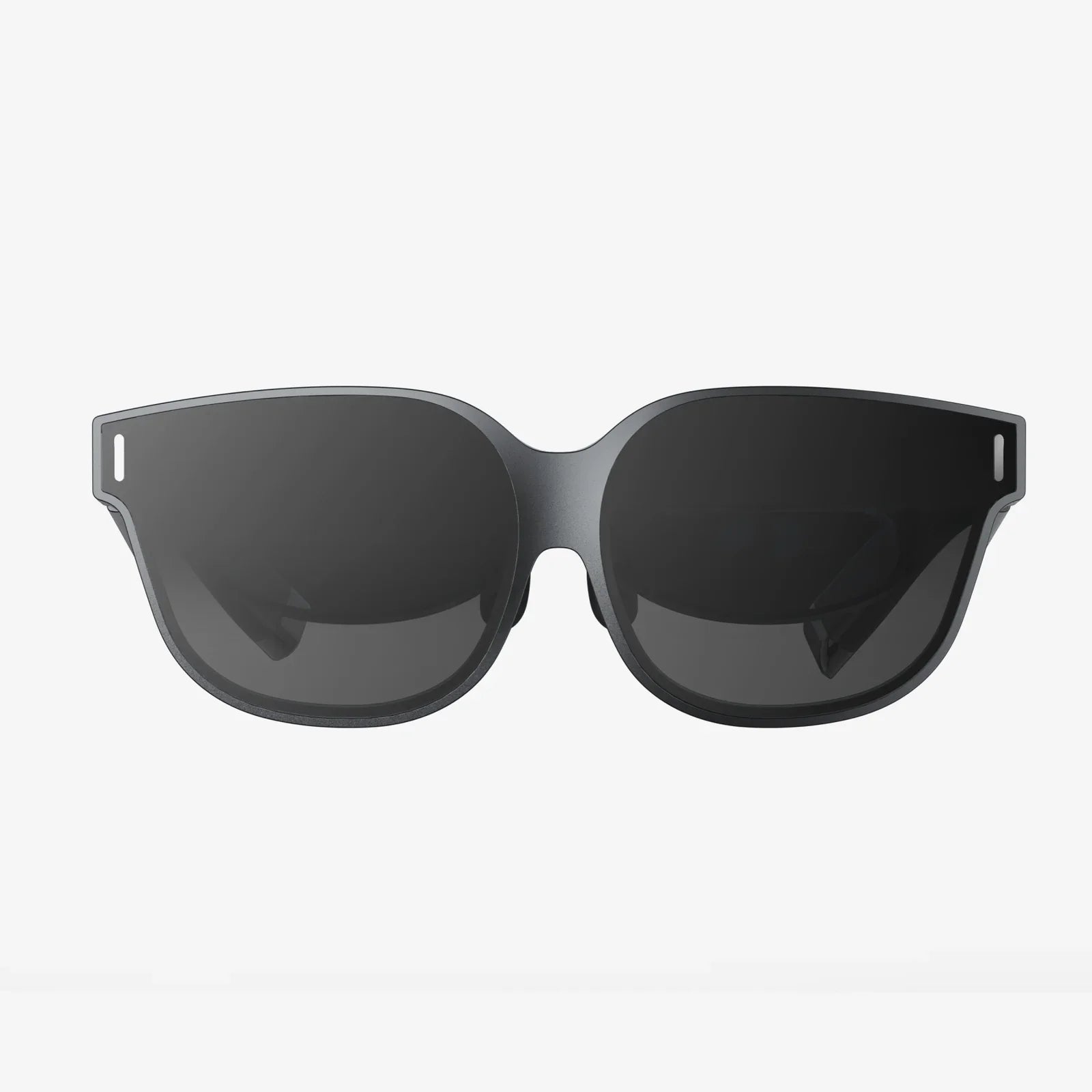
The digital frontier is expanding at a breathtaking pace, and at the very edge of this new territory sits the virtual reality headset, a portal to experiences once confined to the realms of science fiction. For years, the technology simmered on the periphery, a promise of a future that was perpetually five years away. Today, that future has arrived. The global demand for virtual reality headsets is not just growing; it is exploding, driven by a powerful and complex confluence of technological advancement, shifting cultural acceptance, and the emergence of compelling, indispensable use cases that extend far beyond the world of entertainment. This surge is reshaping industries, redefining human interaction, and creating an economic force that analysts scramble to quantify. To understand this phenomenon is to understand the next major shift in human-computer interaction.
The Catalysts of Change: Beyond the Hype Cycle
The journey from niche curiosity to mainstream demand did not happen overnight. It is the result of several critical factors aligning to create a perfect storm of market viability.
Technological Maturation and Accessibility
Early virtual reality systems were often cumbersome, expensive, and technologically limited, suffering from low-resolution displays, latency-induced motion sickness, and a lack of intuitive controls. The current generation of hardware has largely overcome these barriers. High-resolution displays, often exceeding 4K quality, provide stunning visual fidelity that enhances immersion and reduces the screen-door effect. Inside-out tracking, which uses onboard cameras to map the environment instead of external sensors, has dramatically simplified setup, making the technology more accessible to the average consumer. Furthermore, significant reductions in motion-to-photon latency have minimized the disorientation that plagued early adopters. Perhaps most importantly, the cost of entry has decreased, with a range of devices available at various price points, from sophisticated standalone units to more affordable models that leverage the processing power of other devices.
The Enterprise and Industrial Revolution
While gaming captures the public's imagination, the most robust and financially significant driver of headset demand originates in the enterprise sector. Companies across a vast spectrum of industries are deploying virtual reality to solve real-world business problems, demonstrating a clear return on investment that fuels continued procurement.
- Training and Simulation: From training surgeons for complex procedures without risk to patients, to preparing astronauts for spacewalks, to simulating dangerous industrial environments for factory workers, VR provides a safe, repeatable, and cost-effective training platform. The ability to practice high-stakes tasks in a consequence-free environment is invaluable.
- Design and Prototyping: Automotive, aerospace, and architecture firms use VR for collaborative design reviews. Engineers and designers can inhabit a full-scale 3D model of a new car or building, identifying potential issues long before physical prototypes are built, saving millions in development costs.
- Remote Collaboration and Assistance: The rise of remote work has accelerated the adoption of VR for meetings and collaboration. More powerfully, field service technicians can receive real-time visual guidance from experts thousands of miles away, who can see their field of view and annotate the real world with virtual arrows and instructions, drastically reducing downtime and travel costs.
The Entertainment Engine: Gaming and Beyond
No analysis of market demand would be complete without acknowledging the titan of the consumer sector: gaming. The gaming industry has been the primary incubator for VR technology, providing the initial user base and a constant stream of content that drives hardware sales. High-profile, exclusive titles have become system-sellers, convincing legions of gamers to invest in the required hardware. The allure is a deeper level of immersion—the feeling of truly being inside the game world, whether that's wielding a lightsaber, exploring a fantastical realm, or experiencing heart-pounding horror.
Beyond gaming, the entertainment landscape is rapidly adapting. Live events, such as concerts and sports, are being broadcast in VR, offering front-row seats to anyone with a headset. Cinematic experiences are being reimagined, allowing viewers to step inside a narrative rather than simply observe it from a distance. Social VR platforms are emerging as new digital town squares where people can meet, play games, watch movies, and simply hang out as customizable avatars, a concept that gained tremendous traction during periods of global social distancing.
The Metaverse: The Next Digital Frontier
The concept of the metaverse—a persistent, interconnected network of shared virtual spaces—has become the single greatest narrative driving long-term speculation and investment in the virtual reality headset market. While still largely conceptual, the vision is powerful: a seamless digital layer over our physical reality where we work, socialize, learn, and play. For this vision to become a practical reality, a VR or augmented reality headset is positioned as the primary gateway, the essential hardware to access this new world. This potential future has triggered an arms race among technology giants, all vying to establish their hardware and software platforms as the standard for the next iteration of the internet. This competition, in turn, fuels innovation, drives down costs, and expands content libraries, creating a positive feedback loop that accelerates market growth and consumer demand.
Demographic and Psychographic Shifts
Market demand is not just about technology; it's about people. A generational shift is underway. Younger, digitally-native demographics are far more receptive to immersive technologies. They have grown up with video games, social media, and constant digital interaction, making the leap into virtual worlds a less daunting prospect. Furthermore, the COVID-19 pandemic acted as an unexpected and powerful accelerant. With physical spaces closed and social interaction limited, people sought new ways to connect, work, and escape. Virtual reality offered a solution, leading to a significant spike in sales and introducing the technology to a broader audience who discovered its utility beyond mere novelty.
Challenges and Headwinds: Barriers to Mass Adoption
Despite the powerful tailwinds, significant challenges remain that could temper the rate of adoption and must be overcome for the market to achieve its full potential.
- Content Gap: The "killer app" for the broader population, outside of gaming and specific enterprise applications, remains elusive. While the library of experiences grows daily, there is still a need for more long-form, must-have applications that justify the hardware purchase for the average consumer.
- User Experience and Comfort: Issues of ergonomics, weight, and battery life persist. Even the best headsets can become uncomfortable during extended use, and the experience of being fully isolated from one's physical environment is not appealing to everyone. Solving for comfort and creating more socially acceptable form factors, like stylish AR glasses, is a critical next step.
- The Cost of High Fidelity: While entry-level prices have fallen, the most powerful and immersive experiences often require a high-end headset tethered to an equally high-end, and expensive, computer. This creates a substantial financial barrier for many potential users.
- Social and Psychological Considerations: Questions about data privacy, safety in social virtual spaces, and the long-term psychological effects of prolonged immersion are only beginning to be addressed. Building trust and ensuring user well-being is paramount for sustainable growth.
The Future Trajectory: What Lies Beyond the Horizon
The future of the virtual reality headset market is one of convergence and specialization. We are already seeing the lines blur between VR and augmented reality (AR), with mixed reality (MR) headsets that can blend digital content seamlessly into the user's real-world environment. This technology will eventually evolve towards sleeker, more socially acceptable eyewear, moving from a dedicated device to an all-day computing platform. Furthermore, demand will become increasingly segmented. Enterprise will continue to drive innovation in specific verticals like healthcare and engineering, while the consumer market will bifurcate into affordable, accessible devices for social and casual experiences and high-fidelity systems for hardcore gaming and simulation.
The demand for virtual reality headsets is a story of a technology finally finding its purpose. It is no longer a solution in search of a problem. From the factory floor to the operating room, from the living room to the hypothetical boardrooms of the metaverse, VR is demonstrating tangible value. The market's growth is now a function of its ability to continue refining the hardware, expanding the ecosystem of compelling applications, and convincing the world that putting on a headset is not an escape from reality, but an enhancement of it. The portal is open, and the world is starting to walk through.
Imagine a world where your next business meeting, your medical consultation, or your vacation begins not with a commute or a flight, but by simply putting on a pair of glasses. This is the undeniable promise fueling the multi-billion dollar surge in virtual reality headset market demand, a technological revolution quietly building momentum in homes and corporations across the globe, waiting for its mainstream moment to truly arrive.
Share:
How Much Data Does Virtual Reality Use - A Deep Dive Into VR Data Consumption
What's The Best Virtual Reality? A Deep Dive Into The Ultimate VR Experience