


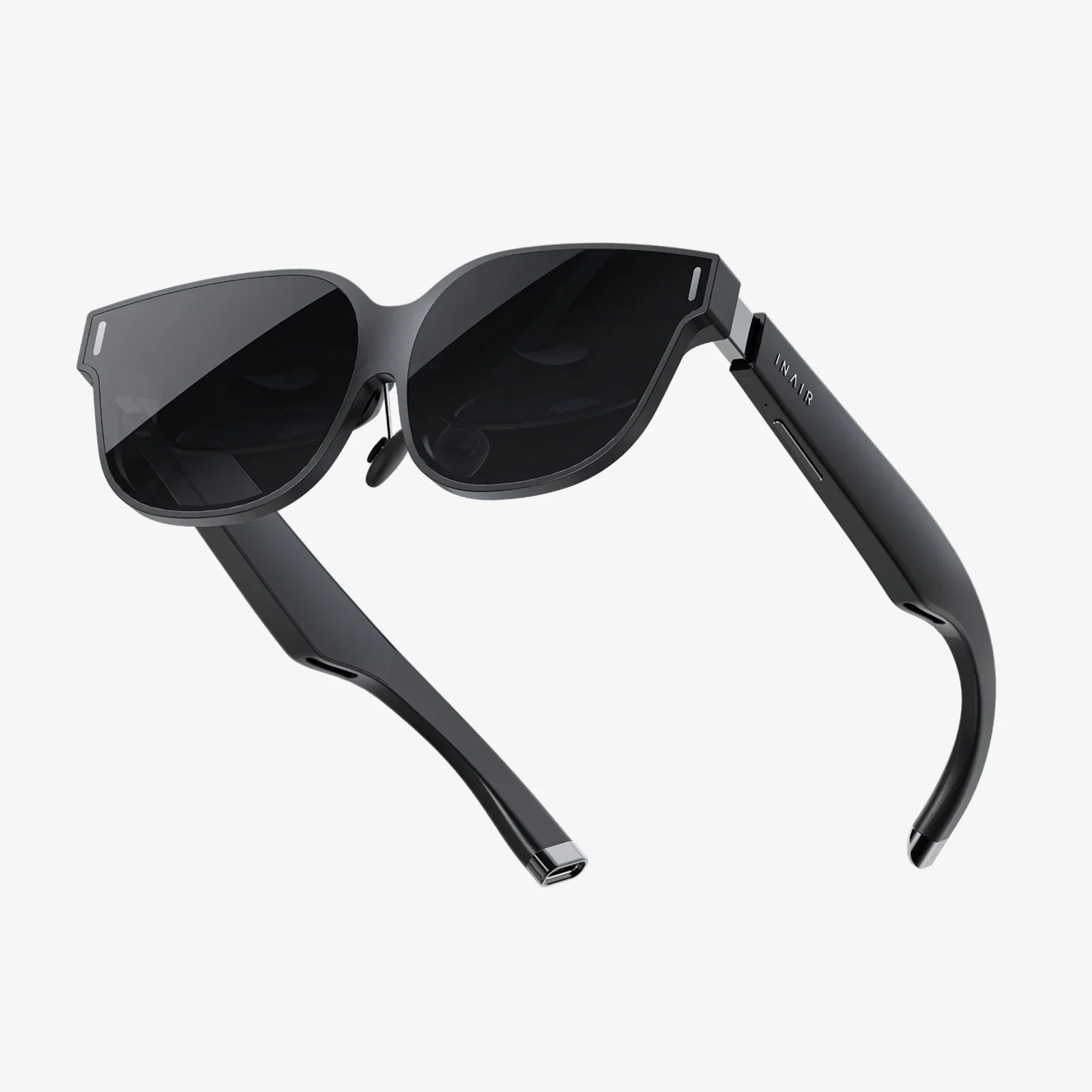
You slip on the headset, and the real world dissolves. A new universe snaps into focus, breathtaking in its detail and boundless in its possibility. This is the promise of virtual reality, a siren call to gamers, creators, and explorers alike. But in a landscape teeming with options and rapid innovation, a single, pressing question dominates the conversation: what’s the best virtual reality experience? The answer, it turns out, is not a simple product name but a complex equation of technology, comfort, content, and personal aspiration. The search for the ultimate VR isn't about finding a one-size-fits-all solution; it's about discovering which constellation of features unlocks that perfect, transcendent state of presence for you.
The Pillars of Presence: What Truly Defines "The Best"?
To crown any single system as the undisputed champion is to ignore the nuanced factors that make VR magical. The "best" is a subjective title earned by excelling in several key areas. A headset with unparalleled graphics might be tethered to a powerful computer, while a wire-free standalone unit offers unparalleled freedom at a slight visual compromise. Therefore, we must break down the experience into its core components.
Visual Fidelity: The Window to Another World
The primary gateway to immersion is through your eyes. Visual quality is paramount, and it's determined by a trio of factors: resolution, refresh rate, and field of view (FOV).
- Resolution and Pixel Density: Measured in pixels per inch (PPI) or by the combined resolution of the panels (e.g., 1832 x 1920 per eye), this dictates the sharpness of the image. A higher resolution drastically reduces the "screen door effect"—that faint grid of lines between pixels that can remind you you're looking at a screen. The best VR strives for crystal-clear imagery where text is legible and distant objects are defined.
- Refresh Rate: Measured in Hertz (Hz), this is how many times the image on the screen refreshes per second. A higher refresh rate (90Hz, 120Hz, and now even 144Hz) results in smoother motion, which is critical for both immersion and comfort. Low refresh rates can contribute to simulator sickness, while high rates make virtual movement feel buttery smooth and real.
- Field of View (FOV): This is the extent of the observable world seen at any given moment, measured in degrees. A typical human FOV is roughly 210 degrees. Most headsets offer between 90 and 110 degrees, creating a slight binocular or "scuba mask" effect. The best VR systems push FOV boundaries, widening the periphery and making the virtual world feel more expansive and less like looking through a window.
Audio: The Unseen Hand of Immersion
Sound is half the experience. Spatial audio, or 3D audio, is a non-negotiable feature for high-end VR. This technology allows sounds to come from specific points in a 3D space—a whisper from behind your left shoulder, the echo of footsteps in a cavern above you. It’s a powerful tool for selling the illusion of reality. Some systems use high-quality built-in speakers that don't isolate you from your environment, while others offer premium off-ear or over-ear headphones designed specifically for precise spatial cues.
Tracking and Controls: Your Body in the Machine
How the system translates your real-world movements into the digital realm is the foundation of interaction. There are two primary methods:
- Inside-Out Tracking: Cameras on the headset itself track the controllers and your surrounding environment. This eliminates the need for external base stations or sensors placed around your room, offering a tremendous advantage in setup simplicity and portability. The best inside-out tracking systems are highly accurate, with minimal latency, though they can sometimes lose controller tracking when held directly out of the cameras' line of sight.
- Outside-In Tracking: External sensors placed around the play area precisely monitor the position of the headset and controllers. This method is often considered the gold standard for competitive gaming and professional applications due to its millimeter accuracy and robust tracking, even behind your back. The trade-off is a more complex setup and being tethered to a specific room.
The controllers themselves are an extension of your hands. The best VR controllers are ergonomic, feel natural to hold, and offer intuitive input methods like finger-tracking, capacitive touch sensing, and haptic feedback that provides subtle vibrations to simulate touch.
Comfort and Form Factor: Forgetting You're Wearing It
The best VR experience is one you can enjoy for hours without fatigue. Comfort is a critical yet often overlooked spec. Weight distribution is key; a front-heavy headset will strain your neck. Premium systems use counter-balancing, plush facial interfaces, and adjustable straps (often a rigid halo design or a flexible cloth strap) to distribute weight evenly across your head. Breathable materials prevent overheating and fogging, while adjustable IPD (Interpupillary Distance) ensures the lenses are aligned with your eyes for a clear, comfortable image.
The Ecosystem: Content, Power, and Freedom
A headset is merely a vessel; the software is the soul. The "best" VR must have a rich, diverse, and growing library of content. This includes:
- Blockbuster Games: Deep, narrative-driven adventures and highly polished titles from major studios.
- Social Hubs: Platforms where users can meet, chat, play, and create together, forming the bedrock of the metaverse concept.
- Creative and Productivity Tools: Applications for 3D sculpting, painting, design, and even virtual desktop computing.
- Fitness Experiences: Engaging apps that turn workouts into fun, immersive routines.
This content must be powered by something, leading to the great divide in the VR market:
- Standalone VR: All-in-one headsets that require no external computer or wires. They offer complete freedom of movement and are incredibly accessible. The trade-off is that they are powered by mobile-grade processors, which, while impressive, cannot match the graphical fidelity of a high-end PC.
- PC-VR (Tethered): These headsets connect to a powerful gaming computer. They are the undisputed kings of visual performance, capable of rendering incredibly complex, photorealistic worlds with advanced physics and lighting. The cost of entry is higher, and your movement is limited by a cable, though wireless adapter kits exist for some models.
The Verdict: It's About Your Reality
So, what’s the best virtual reality? The answer lies in your priorities.
For the user who values absolute graphical supremacy, pinpoint accuracy, and the most hardcore gaming experiences, the best VR will be a high-end, tethered headset. Look for the highest resolution panels, the widest field of view, a high refresh rate, and outside-in tracking. This path is for those who have a powerful computer and prioritize no-compromise performance above all else, accepting the tether as a necessary trade-off for unparalleled quality.
For the user who prioritizes accessibility, simplicity, and untethered freedom, the best VR is a modern standalone system. The ideal choice here features strong inside-out tracking, a robust and exclusive content library, and a comfortable, balanced design that encourages spontaneous use. This is the gateway for social players, fitness enthusiasts, and families, offering a incredible experience with minimal setup.
There is a third, emerging category: the high-end standalone that can also connect to a PC. This hybrid approach offers the best of both worlds for users who refuse to choose, providing freedom for casual use and a high-fidelity option when plugged in.
The landscape is evolving at a breakneck pace. New technologies like pancake lenses for slimmer headsets, eye-tracking for foveated rendering (dramatically boosting performance), and haptic vests for full-body feedback are constantly redefining the boundaries of what's possible. The best system today may be surpassed in six months, but the core principles of immersion—great visuals, convincing audio, intuitive controls, and compelling content—will always remain.
Your perfect virtual world is waiting, but its gateway is uniquely yours to choose. The journey to find the best VR isn't about following a crowd; it's about aligning breathtaking technology with your own imagination, ready to step into a reality crafted precisely for you.
Share:
Virtual Reality Headset Market Demand: A Deep Dive into the Forces Fueling an Industry
Virtual Reality for Consumer Market Trends: Beyond the Hype and Into the Mainstream