


- by wangfred
Virtual Reality Headset With Earphones: The Complete Immersive Experience Explained
- by wangfred
Imagine slipping on a device and being instantly transported. The visual world fades, replaced by a digital landscape so vivid you feel you could reach out and touch it. But then you hear it—a whisper directly behind your left ear, the subtle crunch of gravel underfoot that seems to originate from the floor, the soaring crescendo of a symphony that envelops you completely. This isn't just watching; this is being there. This is the unparalleled power of a modern virtual reality headset with integrated earphones, a combination that doesn't just create an experience but crafts a new reality for our senses. The journey into true immersion begins not with what we see, but with what we hear.
For decades, the pursuit of virtual reality was largely a visual arms race. Resolution, field of view, and refresh rates dominated the conversation. Yet, any seasoned developer or experienced user will attest that high-fidelity audio is not merely an enhancement; it is the bedrock of presence—the elusive feeling of actually existing within a virtual space. Studies in human perception have consistently shown that our brains rely heavily on auditory cues to understand our environment. A sound arriving slightly earlier to one ear than the other tells our brain a story about direction and distance. The way sound waves reflect off walls and objects tells us about the size and material of a space. A virtual reality headset with earphones is designed to hijack these very neurological pathways, convincing your subconscious that the digital world is physically real.
Without accurate spatial audio, even the most photorealistic graphical environment feels flat, hollow, and unconvincing. It's like watching a big-budget movie with the audio track from a low-quality phone recording; the magic is instantly broken. Integrated earphones solve this by delivering sound with pinpoint precision directly into the ear canal, ensuring that the audio experience is perfectly synchronized with the visual head-tracking and is isolated from external room noise. This seamless marriage of visual and auditory data is what transforms a novel gadget into a portal to another world.
The choice to build earphones directly into a VR headset is far more than a simple convenience feature to reduce cable clutter. It represents a fundamental engineering decision aimed at achieving a perfect audio-visual lockstep. The primary advantage is consistency. With built-in earphones, developers know exactly what audio hardware the user has. They can finely tune their software's audio engine—its Head-Related Transfer Function (HRTF) algorithms—to work perfectly with the specific drivers, positioning, and acoustic properties of those earphones. This eliminates the vast variability of user-owned headphones, which can range from high-end studio gear to cheap earbuds, each with dramatically different sound profiles and capabilities that can degrade the intended experience.
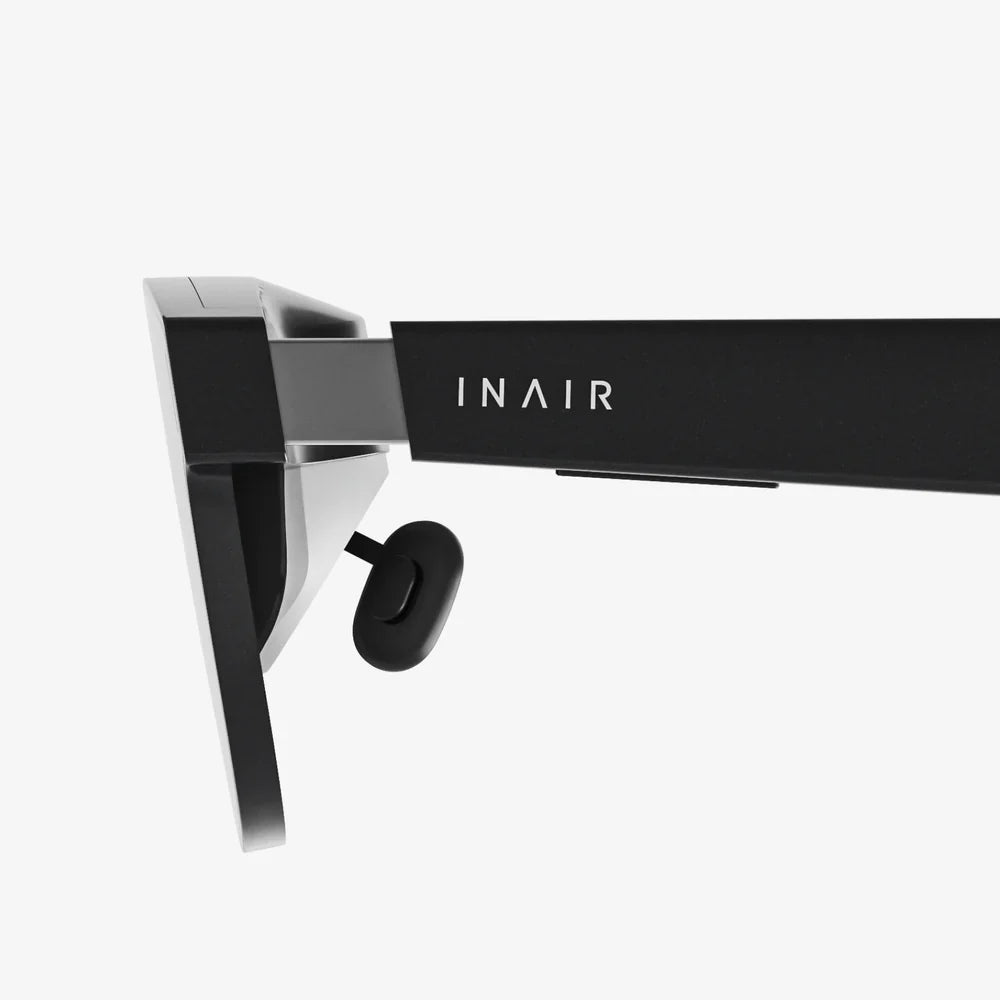
Furthermore, the physical design is crucial. The speakers are typically positioned close to the ear but not fully enclosing it (a design often called "off-ear" or "near-ear"). This serves two critical purposes: it maintains comfort during extended wear by reducing heat and pressure on the ears, and it surprisingly aids immersion. By allowing some ambient sound from the real world to pass through, it can actually enhance comfort and spatial awareness for the user, preventing total sensory deprivation which can cause disorientation. However, for moments requiring total immersion, many designs include optional rubber tips or covers to create a seal, offering user-controlled auditory isolation.
At the heart of this experience is 3D spatial audio, the technological wizardry that makes audio feel like it's coming from all around you. This is not to be confused with simple stereo or surround sound. Traditional audio channels assign sound to a specific speaker—left, right, or rear. Spatial audio is object-based. In the virtual world, every sound—a chirping bird, a dripping pipe, an enemy's voice—is treated as an individual object with a specific location in 3D space. The audio engine, in real-time, calculates how that sound should reach the user's virtual ears based on their position and orientation in the environment.
This calculation involves complex HRTFs, which are acoustic filters that describe how sound is modified by the shape of our head, shoulders, and outer ears before it reaches the eardrum. A virtual reality headset with earphones uses these HRTF models to process each sound object, applying subtle delays, volume changes, and frequency adjustments to trick the brain into perceiving a sound as originating from a specific point around you. The result is breathtakingly realistic. You can instinctively look toward the source of a sound without thinking. In a social VR application, you can hear a conversation happening to your right and naturally turn to engage. In a horror game, the feeling of a creature breathing down your neck is utterly terrifying because your auditory sense confirms what your eyes see.
While gaming is the most obvious and visceral application, the implications of immersive audio through a combined headset and earphone system are vast and transformative across numerous fields.
Imagine medical students practicing a complex surgical procedure. With a VR headset, they can see the operating theater. With integrated spatial audio, they can hear the steady beep of the heart monitor from the corner of the room, the whispered instructions from their supervising professor standing behind their shoulder, and the specific sounds of different surgical tools, each with its own location. This multi-sensory rehearsal deepens muscle memory and situational awareness far more effectively than visual learning alone. Similarly, mechanics-in-training can learn to diagnose engine problems by listening to the spatialized sounds of a virtual car, identifying whether a troubling knock is coming from the front-left or deep within the block.
Virtual tours of historical sites or natural wonders are elevated from a 360-degree video to a palpable experience when sound is spatialized. Standing in a digital recreation of the Roman Colosseum, you wouldn't just see the grandeur; you would hear the faint echo of your footsteps bouncing off the ancient stone arches above and around you. A documentary filmmaker can place you in the heart of a rainforest, with the calls of specific birds and insects coming from precise locations in the canopy, creating a profound sense of empathy and place that flat audio cannot replicate.
The future of remote collaboration lies in virtual meeting spaces. Integrated audio is the key to making these spaces feel natural. Instead of the chaotic, single-channel audio of a video call, participants in a VR meeting room can have side conversations, hear who is speaking based on where they are virtually seated, and experience the natural flow of a real-world discussion. This reduces the cognitive load of remote communication and fosters a stronger, more authentic sense of team presence and connection, making participants feel like they are truly in a room together.
The controlled auditory environment is a powerful tool for therapy. For individuals with anxiety, a VR headset with earphones can transport them to a serene beach, complete with the calming, spatialized sounds of waves rhythmically crashing to their left and right and seagulls calling from a distance overhead. For exposure therapy, the sound of a crowd can be gradually introduced from different directions in a controlled manner. This precise control over the auditory landscape is essential for creating believable and effective therapeutic environments.
The implementation of built-in audio is not without its challenges. Designers must balance several factors to create a comfortable and effective product. Hygiene is a primary concern, as the earphones come into close contact with the user. Most manufacturers include removable, washable foam or silicone covers to address this. Sound leakage must also be minimized to avoid disturbing others in the room, especially with the off-ear design. This is often managed through careful speaker directionality and software processing.
Perhaps the most important consideration is user choice. While integrated audio provides a curated and guaranteed experience, some audiophiles or users with specific hearing needs may still prefer to use their own high-end headphones. The best VR headset designs accommodate this by ensuring the built-in earphones can be easily removed or retracted without compromising the comfort or balance of the headset, and by providing a standard audio jack for personal audio peripherals. This flexibility ensures the platform remains accessible and enjoyable for all users.
The evolution of this technology is moving at a rapid pace. We are already seeing advancements like bone conduction technology being experimented with to deliver audio without covering the ears at all, potentially offering a perfect blend of immersive digital sound and clear awareness of the physical environment. Haptic feedback systems are being developed to sync with audio, allowing users to feel the rumble of thunder or the impact of a virtual object, adding a third sensory layer to the experience. Furthermore, the use of biometric sensors could allow the audio environment to adapt in real-time to the user's state, calming the sounds if it detects stress or increasing spatial cues if it detects confusion.
The pursuit is nothing less than perfect perceptual believability. The goal is a device that disappears entirely, leaving behind only the experience it creates. As artificial intelligence and acoustic engineering continue to advance, the line between the sound of our reality and the sound of a virtual one will become increasingly—and thrillingly—indistinguishable.
The next time you prepare to step into a virtual world, take a moment before the visuals load. Close your eyes and listen. The gentle hum of a virtual spaceship's engine, the precise direction of a friend's greeting, the distant roar of a digital dragon—these are not just sounds; they are the architects of your new reality. This deeply personal, perfectly synchronized symphony of sight and sound is what finally closes the loop on immersion, offering not just a glimpse into another world, but a ticket to truly live within it. The ultimate escape isn't just high-resolution; it's high-fidelity in every sense, and it's waiting for you to hit play.