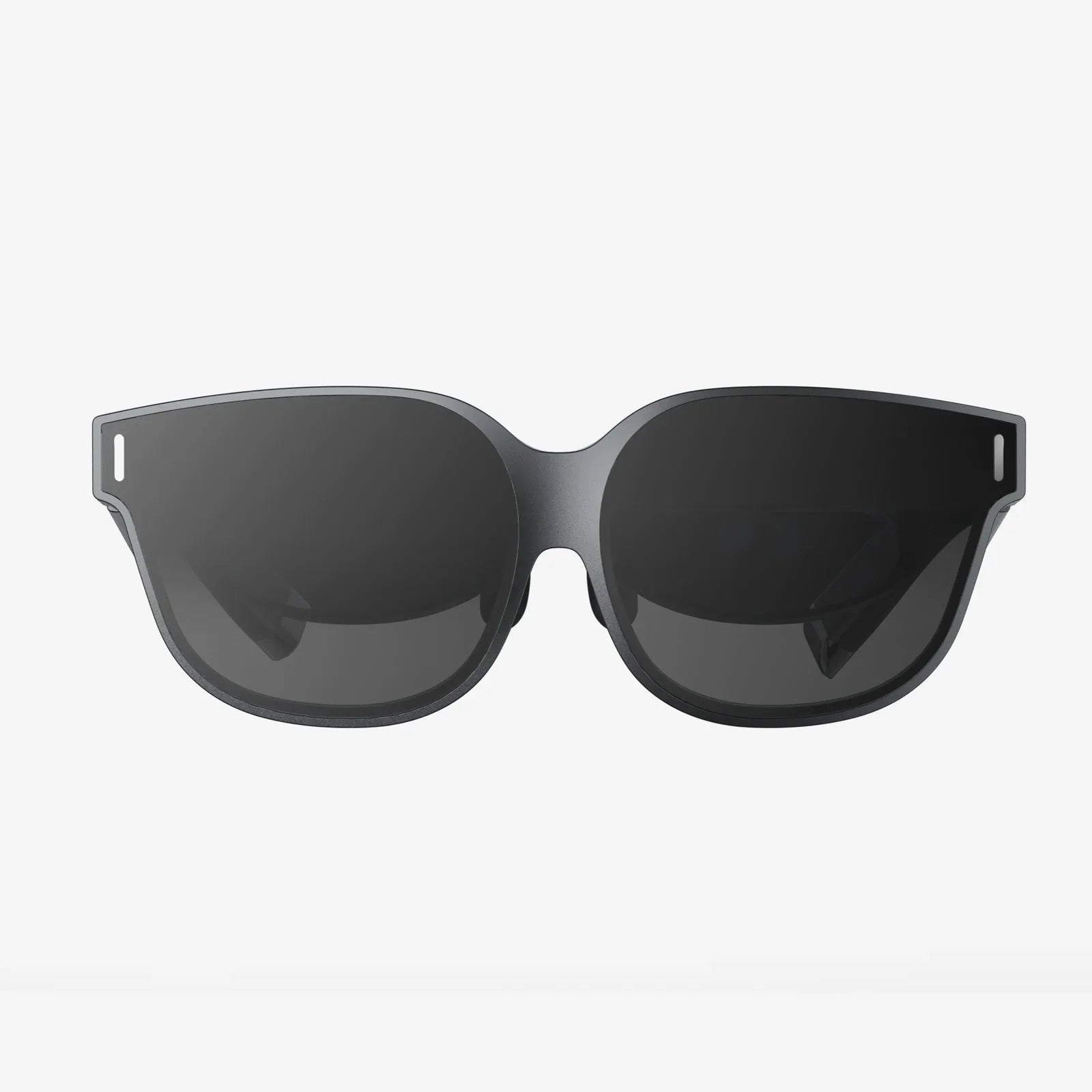
Imagine waking up and, before your first sip of coffee, strapping on a lightweight headset to walk through a digital replica of a Parisian museum, attend a business meeting as a full-bodied avatar, or practice a complex surgical procedure with zero risk. This is no longer a distant future; it is the rapidly approaching present of virtual reality in everyday life. The technology has shed its bulky, expensive, and isolating image, evolving into a sophisticated tool for enhancing, rather than escaping, our human experience. We are standing at the precipice of a fundamental shift, where the line between our physical and digital existences will blur into a new, hybrid reality that promises to redefine how we learn, work, heal, and connect.
From Novelty to Necessity: The Maturation of a Technology
The journey of virtual reality from a niche gaming peripheral to a potential pillar of modern society is a story of relentless innovation. Early iterations were characterized by high costs, limited processing power, and a lack of compelling content, effectively gating the technology to enthusiasts and well-funded research labs. The true turning point came with advancements in miniaturization, display technology, and motion tracking. Lighter, more comfortable headsets with higher-resolution displays began to reduce the sensory discomfort that plagued earlier models. Simultaneously, the development of inside-out tracking, which uses onboard cameras to map the environment instead of external sensors, removed a significant barrier to entry, making setup intuitive and freeing users from a confined play space.
Perhaps the most critical evolution has been the conceptual shift in how we view VR. It is no longer solely an immersive portal to fantastical worlds; it is increasingly understood as a powerful simulation platform. This shift reframes its value proposition from entertainment to utility. The core strength of modern VR is its ability to replicate physical presence—the convincing feeling of being in another place or with other people. This capacity for “telepresence” is the key that unlocks its application across countless everyday domains, transforming abstract digital information into tangible, experiential learning.
Revolutionizing the Classroom and the Boardroom
Education stands to gain immensely from the integration of virtual reality. Traditional learning methods often rely on textbooks and two-dimensional videos to explain complex, three-dimensional concepts. VR shatters these limitations. Imagine a history class where students don't just read about ancient Rome; they can stand in the Forum, listening to a guided tour as the city bustles around them in a carefully reconstructed historical simulation. Biology students can take a journey through the human bloodstream, watching red and white blood cells navigate arteries, making abstract textbook diagrams a visceral, unforgettable experience.
This form of experiential learning boosts knowledge retention, engagement, and empathy in ways traditional methods cannot match. It caters to diverse learning styles and provides equal access to experiences that would be logistically impossible or prohibitively expensive, like conducting a deep-sea exploration or walking on the surface of Mars using real satellite data.
The corporate world is undergoing a similar transformation. The concept of the “virtual office” is moving beyond video conferencing grids. Persistent VR workspaces allow distributed teams from across the globe to collaborate as if they were in the same room. They can brainstorm on virtual whiteboards, manipulate 3D models of a new product design together, and benefit from the subtle social cues of embodied avatars—something utterly lost on a standard Zoom call. This fosters a stronger sense of team cohesion and can significantly boost creative collaboration and productivity, all while reducing the need for costly and time-consuming business travel.
Transforming Health, Wellness, and Personal Development
The impact of VR on healthcare is nothing short of revolutionary, operating on both the professional and patient levels. For training medical professionals, VR offers an unparalleled risk-free environment. Surgeons can practice intricate procedures on virtual anatomy, making mistakes and refining their techniques without any consequence to a patient. This not only accelerates the learning curve but also standardizes training to a highest possible level. Emergency response teams can run through complex triage and disaster scenarios, building muscle memory and critical decision-making skills before they ever face a real crisis.
For patients, VR is becoming a powerful therapeutic tool. It is widely used in exposure therapy to help individuals with phobias—such as fear of heights, flying, or public speaking—confront their triggers in a safe, controlled, and gradual manner. It is also proving highly effective in pain management. By immersing burn victims in a soothing, icy virtual landscape, clinicians can significantly reduce the patients' perceived pain during wound care. Physical rehabilitation is also being transformed; exercises that were once tedious and monotonous can be gamified. A patient recovering from a stroke might be tasked with playing a virtual game that requires them to reach and grasp objects, turning essential therapy into an engaging and motivating activity.
Beyond clinical applications, VR is making waves in personal fitness and mindfulness. Fitness applications offer immersive experiences where users can box in a futuristic arena, rhythmically slash through targets to music, or cycle through breathtaking digital landscapes. These experiences are often more enjoyable than staring at a wall in a gym, leading to longer and more consistent workout routines. Similarly, meditation and mindfulness apps use calming, guided VR environments—a quiet beach at sunset, a serene forest—to help users achieve a deeper state of relaxation and mental clarity, offering a potent escape from the stresses of daily life.
The New Social Fabric: Connection in a Virtual Space
One of the most profound ways VR is integrating into everyday life is by redefining social connection. Social media platforms today are largely experienced through a screen, a fundamentally detached and two-dimensional interaction. VR social platforms, however, aim to recreate the feeling of “hanging out.” Users embody customized avatars and can gather with friends in virtual spaces to watch movies, play games, attend live concerts, or simply converse around a digital campfire. The sense of shared presence—being able to make eye contact, use natural gestures, and share a virtual space—adds a layer of emotional depth and authenticity that is missing from text-based or video chat interactions.
This has incredible potential to combat loneliness and isolation, particularly for individuals with mobility issues or those who live far from friends and family. It allows for the maintenance of strong social bonds regardless of physical distance, creating a new paradigm for community that is based on shared interest and experience rather than geographic accident.
Furthermore, VR is democratizing access to iconic experiences. Through live-streamed 360-degree VR events, anyone with a headset can have a front-row seat at a major sporting event, a music festival, or a Broadway show, experiencing the energy of the crowd and the scale of the event in a way that flat video cannot replicate. This expands cultural access and creates shared memories in a global virtual town square.
Navigating the Challenges: The Path to Ubiquity
Despite its immense potential, the path to seamless integration of virtual reality in everyday life is not without significant obstacles. The issue of accessibility remains paramount. While prices are falling, a high-quality VR setup still represents a considerable investment for the average consumer. There is also a need for continued improvement in user comfort, reducing hardware bulk, minimizing motion sickness for susceptible individuals, and extending battery life for true all-day use.
The ethical and societal questions are even more complex. As we spend more time in immersive digital spaces, data privacy becomes a critical concern. These platforms can collect incredibly detailed biometric and behavioral data—precise eye tracking, body movement, and even emotional responses. The question of who owns this data and how it is used is paramount. Furthermore, the potential for addiction and the psychological impact of preferring a curated virtual existence to an imperfect physical one are issues society will need to confront. The concept of the “metaverse”—a persistent network of interconnected virtual spaces—also raises questions about digital ownership, economic disparity, and the governance of these new worlds.
Finally, the creation of this new digital layer of reality must be undertaken with intentionality and inclusivity. Developers and designers have a responsibility to build experiences that are accessible to people with disabilities and that avoid reinforcing real-world biases. The goal should be to create a future that enhances humanity for everyone, not just a privileged few.
The whisper of a VR headset powering on is becoming the sound of a door opening—a door to a classroom on the other side of the planet, a surgeon's first practice, a friend's virtual living room, or a moment of peace in a chaotic day. Virtual reality is shedding its sci-fi skin to reveal a tool of profound human utility, poised to touch the most mundane and magnificent parts of our lives. The revolution won't be televised; it will be rendered in immersive, breathtaking 3D, and it invites us all to step inside and redefine what's possible.