


Imagine stepping onto a construction site before the foundation is even poured, rehearsing a high-stakes client presentation in a photorealistic boardroom, or troubleshooting a complex piece of machinery from an office thousands of miles away. This is no longer the stuff of science fiction; it is the rapidly emerging reality of the modern professional landscape, powered by the immersive potential of virtual reality in the workplace. This technological leap is poised to dismantle traditional barriers of geography, physics, and risk, creating a new paradigm for how we connect, create, and collaborate.
The End of the Flat Screen: Why Now?
For decades, the primary interface for knowledge work has been the two-dimensional screen—a flat portal into digital worlds. While powerful, it is inherently limiting. Virtual reality shatters this constraint, introducing the third dimension and a profound sense of presence. The convergence of several critical factors has propelled VR from a speculative concept to a viable enterprise tool. Hardware has become more powerful, affordable, and comfortable, with higher-resolution displays and intuitive controllers. Software platforms designed specifically for enterprise needs have matured, offering robust security and integration with existing workflows. Furthermore, the global shift toward remote and hybrid work models, accelerated by recent world events, has created an urgent demand for more engaging and effective alternatives to the video call grid. VR answers this call by moving collaboration from a shared document to a shared space.
Revolutionizing Training and Skill Development
Perhaps the most compelling and widely adopted application of VR in the workplace is in the realm of training and development. Traditional methods often involve theoretical classroom learning, watching videos, or shadowing experienced colleagues. VR transforms this by enabling experiential learning.
High-Stakes Simulations
In industries where mistakes are costly or dangerous, VR provides a zero-risk environment for practice. Surgeons can perform intricate procedures, aircraft mechanics can learn to maintain complex engine systems, and firefighters can navigate life-threatening scenarios—all within a perfectly replicated virtual space. These simulations allow for the repetition of rare but critical events, building muscle memory and cognitive recall that can save lives and prevent expensive errors when transferred to the real world.
Soft Skills and Leadership Training
Beyond technical skills, VR is proving incredibly effective for developing softer skills. Employees can practice difficult conversations, receive presentation coaching from an AI-powered audience that reacts to their tone and body language, or navigate a multi-stakeholder negotiation. This controlled yet realistic practice builds confidence and competence in a way that role-playing with a colleague simply cannot match.
Onboarding and Spatial Memory
New employees can be onboarded by taking virtual tours of facilities, warehouses, or retail layouts, learning their way around before their first physical day. This leverages spatial memory, allowing them to retain information about the location of equipment, emergency exits, and departments far more effectively than by studying a two-dimensional map.
Transforming Design and Prototyping
The fields of architecture, engineering, and product design are being utterly transformed by immersive technology. The ability to step inside a 1:1 scale model of a building before ground is broken is a game-changer.
Architecture, Engineering, and Construction (AEC)
Architects and their clients can virtually walk through a design, assessing sightlines, spatial relationships, and material choices with a true sense of scale. This collaborative review process identifies design flaws and opportunities for improvement early in the process, preventing costly change orders during construction. Teams spread across different countries can meet inside the model, discussing elements as if they were standing together on the future building site.
Product Design and Manufacturing
Automotive and industrial designers can create and interact with full-scale 3D prototypes of new products. Engineers can visualize the internal assembly of a machine, identifying potential points of failure or maintenance challenges long before a physical prototype is built. This dramatically accelerates the design iteration process, reduces material waste, and shortens time-to-market.
The Future of Remote Collaboration
The promise of remote work has always been tempered by the limitations of its tools. Video conferencing, while essential, often leads to fatigue and a lack of true engagement. Virtual reality offers a powerful alternative: the feeling of being in the same room.
Presence and Non-Verbal Cues
In a well-designed VR meeting space, avatars can track user movement and eye gaze, allowing for the natural exchange of non-verbal cues that are lost on a video call. The simple act of turning your head to look at a colleague who is speaking or using hand gestures to emphasize a point fosters a deeper level of connection and understanding. This sense of co-presence—the genuine feeling that you are with other people—is the holy grail of remote collaboration.
Spatial Data and 3D Visualization
Meetings move beyond flat slideshows. Teams can gather around a 3D model of a new marketing campaign, a molecular structure, or a data visualization, manipulating it together in real-time. This shared interaction with complex data unlocks new perspectives and insights, turning abstract concepts into tangible objects that can be explored from every angle.
The Virtual Office
Some companies are experimenting with persistent virtual offices. Instead of joining a Zoom link, employees don a headset and their avatar appears in a digital twin of their company headquarters or a custom-designed creative space. They can have spontaneous "watercooler" conversations with colleagues, pop into someone's virtual office for a quick chat, or work silently alongside others, combating the isolation that can come with remote work.
Enhancing Employee Well-being and Work-Life Balance
The benefits of VR extend beyond productivity into the critical area of employee wellness. The technology can be a powerful tool for mental health, offering guided meditation sessions in serene virtual environments to combat stress and recharge during the workday. For employees in crowded or noisy open-plan offices, VR can create a personal sanctuary of focus, blocking out distractions with immersive, tranquil landscapes. Furthermore, by enabling more effective and meaningful remote work, VR has the potential to give knowledge workers unprecedented geographic freedom, allowing them to live where they choose without sacrificing the quality of their collaboration or career advancement. This could lead to a better integration of work and personal life, reducing burnout and increasing overall job satisfaction.
Navigating the Challenges and Considerations
The path to widespread adoption is not without its obstacles. Enterprises must carefully consider the significant initial investment in hardware and software development. Ensuring robust cybersecurity within these new immersive platforms is paramount, as they become conduits for sensitive corporate data. On the human side, issues of accessibility, user comfort, and the potential for motion sickness (cybersickness) must be addressed through improved hardware design and thoughtful user experience. Perhaps the most significant challenge is the development of a new cultural and managerial mindset. Leaders must learn to manage and evaluate performance in an environment where physical presence is no longer a metric, focusing instead on output and results. Clear policies will be needed to define acceptable use, ensure digital equity, and prevent the blurring of lines between work and personal time in an always-accessible virtual space.
The Road Ahead: An Immersive Future
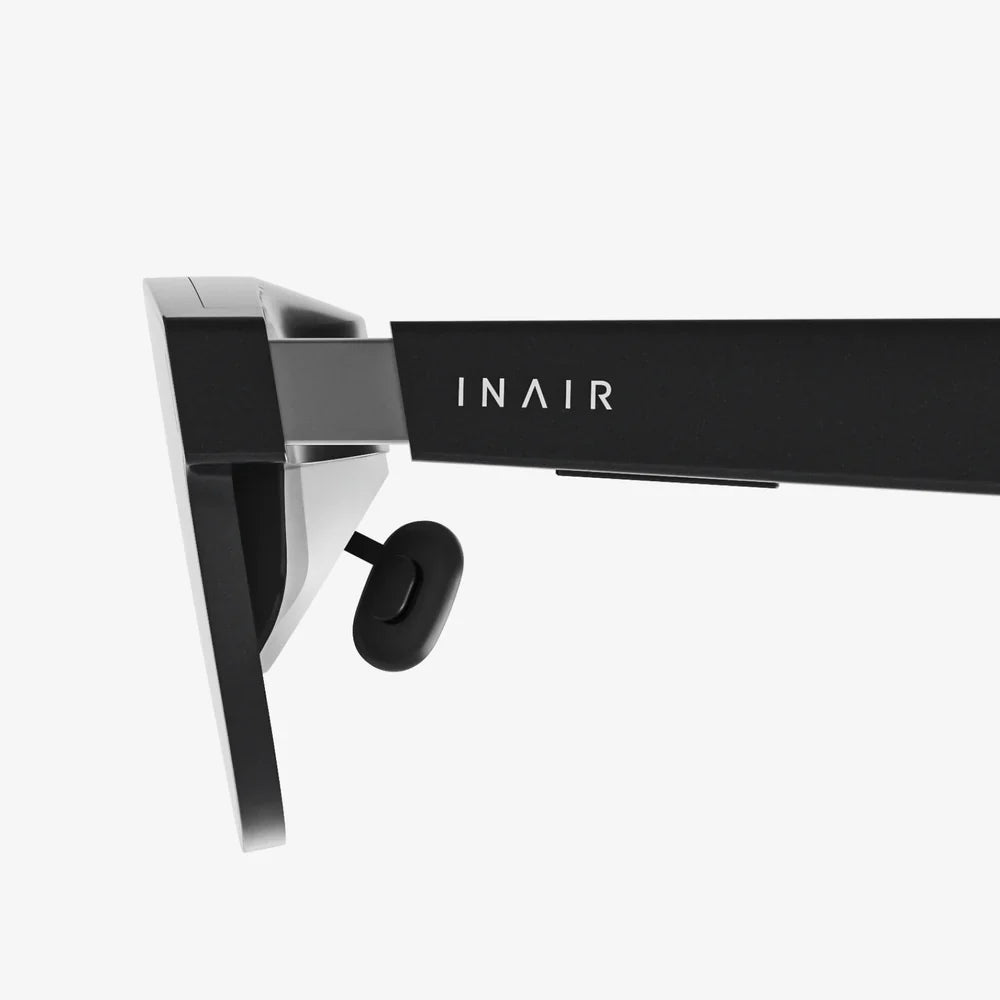
The evolution will not stop at today's clunky headsets. The future points toward increasingly lightweight glasses, eventually converging with augmented reality (AR) to create mixed reality (MR) experiences that seamlessly blend digital objects with our physical surroundings. Haptic feedback technology will add the sense of touch, allowing users to feel the texture of a virtual material or shake a colleague's digital hand. AI will play a crucial role, generating dynamic virtual environments and powering intelligent assistants that can participate in and facilitate meetings. We are moving toward a world of spatial computing, where digital information is contextualized within our environment, and the workplace becomes a fluid blend of the physical and the virtual.
The integration of virtual reality is not about replacing reality or erasing the value of in-person human connection. Instead, it is about augmenting our capabilities, breaking down the stubborn constraints of distance and dimension that have limited how we work for generations. It offers a gateway to a more flexible, efficient, and profoundly human-centered future of work—one where we are limited not by our location, but only by our imagination. The office of the future is not a place you will simply go to; it is a space you will step into, from anywhere on Earth.
Share:
What Is Virtual Reality Games - A Deep Dive Into Immersive Digital Worlds
Custom Prescription Lenses for My Frames: A Complete Guide to Personalizing Your Vision