


Imagine stepping through a screen, leaving your living room behind to wield a sword on a misty mountaintop, solve an intricate puzzle on a derelict spaceship, or create art in a world where physics is yours to command. This is the promise, the magic, and the revolutionary core of virtual reality games—a technology that doesn’t just want you to play a game, but to live inside it. It’s the closest humanity has come to actualizing a dream as old as storytelling itself: the dream of being truly somewhere else.
The Foundation: Defining the Virtual Realm
At its simplest, a virtual reality game is a digital interactive experience that employs specialized hardware to generate simulated environments, convincing the user's brain that they have been transported to another place. Unlike traditional gaming, which is observed on a screen, VR gaming is experienced from a first-person perspective within a 360-degree world. The key differentiator is a concept known as presence—the powerful, often unnerving sensation of actually being in the virtual space.
This illusion is crafted through a combination of sophisticated technologies working in unison:
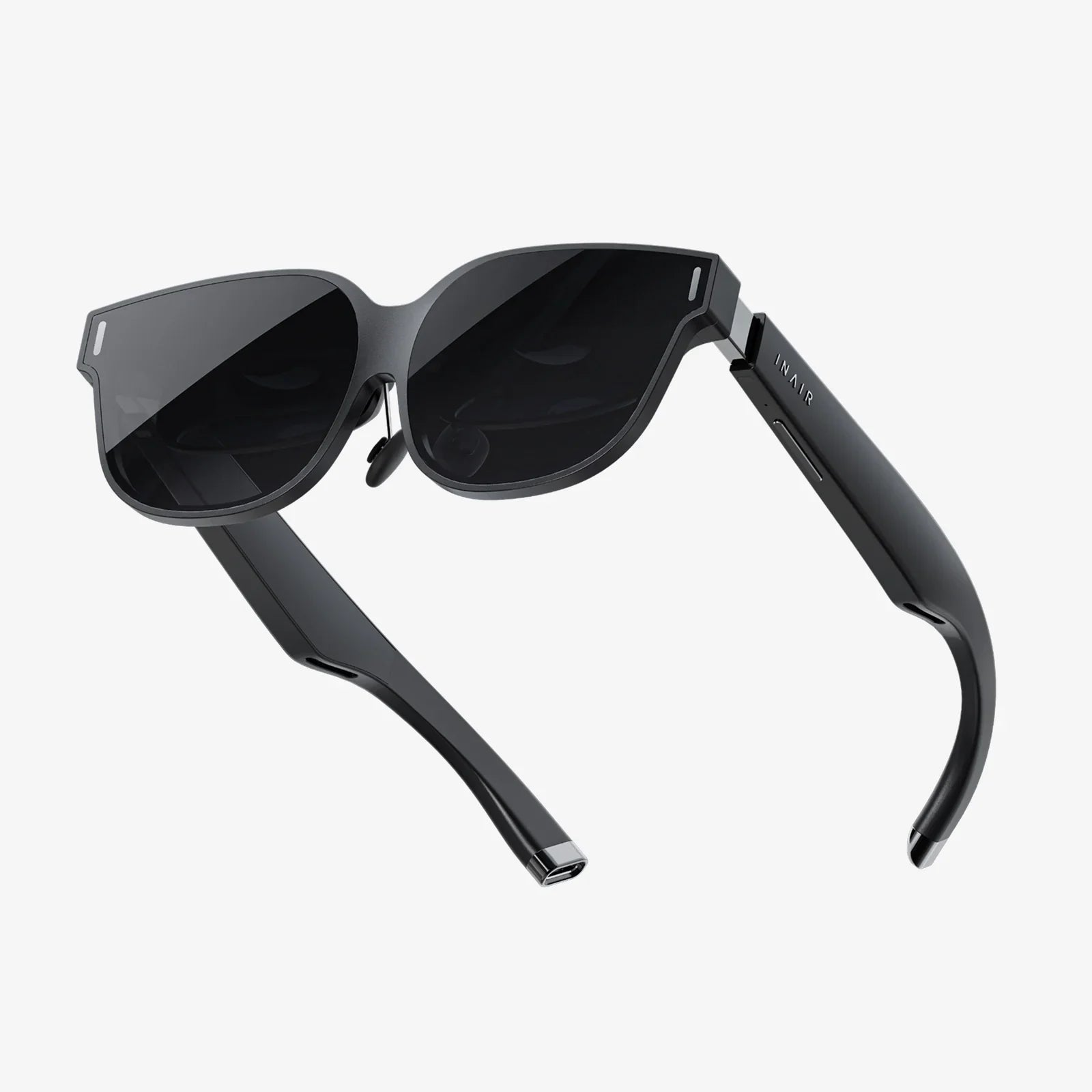
- Head-Mounted Displays (HMDs): These are the helmets or goggles that serve as your window into the virtual world. Each lens displays a slightly different image to each eye, creating a stereoscopic 3D effect that provides depth perception.
- Head Tracking: Crucial for maintaining the illusion, internal and external sensors (like gyroscopes, accelerometers, and infrared cameras) constantly monitor the orientation and position of your head. When you look up, down, left, or right, the world responds in perfect sync, reinforcing the feeling of being inside a stable environment.
- Motion Tracking: Expanding beyond the head, controllers and body trackers capture the movement of your hands and, in more advanced setups, your entire body. This allows you to reach out, grab, throw, gesture, and interact with the virtual world using natural movements.
- Audio: Spatial 3D audio is an unsung hero of immersion. Sounds emanate from specific points in the 3D space, so you can hear an enemy creeping up behind you or the distant roar of a waterfall to your left, making the environment feel tangibly real.
More Than a Screen: The Mechanics of Immersion
Virtual reality games are not merely ports of flat-screen titles; they are built on a new design philosophy centered on embodiment and intuitive interaction. This has given rise to unique mechanics that define the medium.
Embodiment and the Virtual Body
One of the most profound psychological effects in VR is embodiment—the mental adoption of a virtual body as your own. When you look down and see a digital torso, arms, and hands that mirror your real-world movements, your brain accepts this avatar as its physical self. This connection is so strong that if a virtual character is injured, the user can experience a genuine flinch or sense of panic. This deepens emotional investment and makes actions feel consequential.
Intuitive Interaction
Forget complex button combinations. In VR, if you want to pick up an object, you mimic the real-world action: you reach out, close your hand around the controller's grip button, and lift. To shoot a bow, you physically nock an arrow, draw the string, and aim. To open a door, you grab the handle and turn your wrist. This naturalistic approach lowers the barrier to entry and creates a powerful, tactile connection to the game world, making every action feel deliberate and satisfying.
Scale and Perspective
VR communicates scale in a way no other medium can. Standing at the foot of a towering, hundred-foot-tall robot is an experience filled with genuine awe and intimidation. Peering over the edge of a skyscraper can trigger real vertigo. This ability to convey true size and distance allows developers to create moments of breathtaking spectacle and intimate detail, often within the same experience.
A Spectrum of Experiences: Genres Reborn
VR has revitalized traditional gaming genres and birthed entirely new ones, each leveraging the strengths of immersion.
- First-Person Shooters (FPS): Transformed from a screen-based activity into a physically demanding test of reflexes and accuracy. Ducking behind cover, leaning out to aim, and physically dodging incoming fire makes you an active participant in the combat.
- Puzzle Games: Puzzles evolve from abstract brain-teasers into environmental, tactile challenges. You're not just clicking; you're physically manipulating intricate machines, rearranging architecture, and using your hands to find solutions.
- Horror: VR is the ultimate venue for horror. Being inside the environment removes the safety barrier of a screen. The monsters are in your space, the darkness surrounds you, and the fear is visceral and personal.
- Social and MMO Experiences: VR becomes a platform for social connection. Sharing a virtual space with others, where you can see and interpret their body language and gestures, creates a sense of togetherness that transcends voice chat or text. Attending a virtual concert, playing a game of cards, or simply hanging out with friends from across the globe feels remarkably genuine.
- Fitness and Rhythm Games: By turning exercise into an immersive game, VR has become a surprising force in fitness. Boxing, dancing, and sports simulations provide intense, full-body workouts that are engaging and fun, disguising physical exertion within compelling gameplay loops.
Beyond Entertainment: The Wider Impact
The implications of VR gaming technology extend far beyond the living room. The same tools that create immersive games are being repurposed for profound real-world applications.
- Education and Training: Medical students can practice complex surgeries in a risk-free environment. Engineers can walk through and interact with full-scale 3D models of machinery before it's built. History students can take field trips to ancient Rome. VR provides a safe, repeatable, and deeply memorable platform for learning and training.
- Therapy and Rehabilitation: Therapists use VR to treat phobias through controlled exposure, help patients with PTSD process trauma in a safe setting, and assist in physical rehabilitation by turning repetitive exercises into engaging games.
- Architecture and Design: Architects and clients can walk through a building long before the foundation is poured, allowing for a true sense of space, scale, and light that blueprints cannot convey.
Challenges and Considerations on the Horizon
Despite its incredible potential, the world of VR gaming is not without its hurdles. The cost of high-quality hardware, while decreasing, remains a barrier for many. Some users experience simulation sickness, a form of motion discomfort caused by a disconnect between visual motion and physical stillness, though advancements in hardware and software are steadily mitigating this issue.
Furthermore, the intense nature of immersion raises important questions about data privacy, psychological effects, and the need for ethical design. As the lines between the virtual and real continue to blur, establishing healthy usage habits and safeguarding user well-being will be paramount for the industry's sustainable future.
The journey is just beginning. We are standing at the precipice of a new era of human-computer interaction. Virtual reality games are the thrilling, immersive, and transformative vanguard of this change, offering a glimpse into a future where our digital and physical lives are woven together in ways we are only starting to imagine. The door to these other worlds is now open; all you have to do is take the step and see what's on the other side.
Share:
Virtual Reality Tours for Tourism: The Ultimate Guide to Exploring the World from Home
Virtual Reality in the Workplace: The Next Frontier of Productivity and Collaboration