


Imagine standing on the edge of the Grand Canyon at sunrise, feeling a sense of awe as the first rays of light paint the ancient rock formations in hues of orange and red. Now, imagine doing it from your living room, without the cost of a flight, the hassle of jet lag, or the carbon footprint of long-haul travel. This is no longer a fantasy; it is the present and future of exploration, powered by virtual reality tours for tourism. This technological leap is not just changing how we plan our vacations; it's fundamentally reshaping our very concept of travel, accessibility, and connection to our planet's most precious and remote destinations. The world is now at your fingertips, waiting to be explored in ways previously confined to science fiction.
The Technological Architecture Behind the Illusion
To understand the magic of a virtual reality tour, one must first appreciate the sophisticated technology that constructs these convincing digital worlds. It is a symphony of advanced hardware and software working in concert to trick the human brain into believing it is somewhere else.
The foundation is built upon 360-degree photography and videography. Unlike traditional flat images, these are captured using specialized multi-lens cameras that record every direction simultaneously—up, down, and all around. This spherical footage is then stitched together digitally to create a seamless environment.
For a more interactive and explorable experience, 3D environment scanning is employed. Using technologies like photogrammetry (which creates 3D models from numerous photographs) and LIDAR (Light Detection and Ranging), developers can create photorealistic digital twins of real-world locations. This allows a user to not just look around, but to move through a space, examining artifacts in a museum from every angle or walking around ancient ruins.
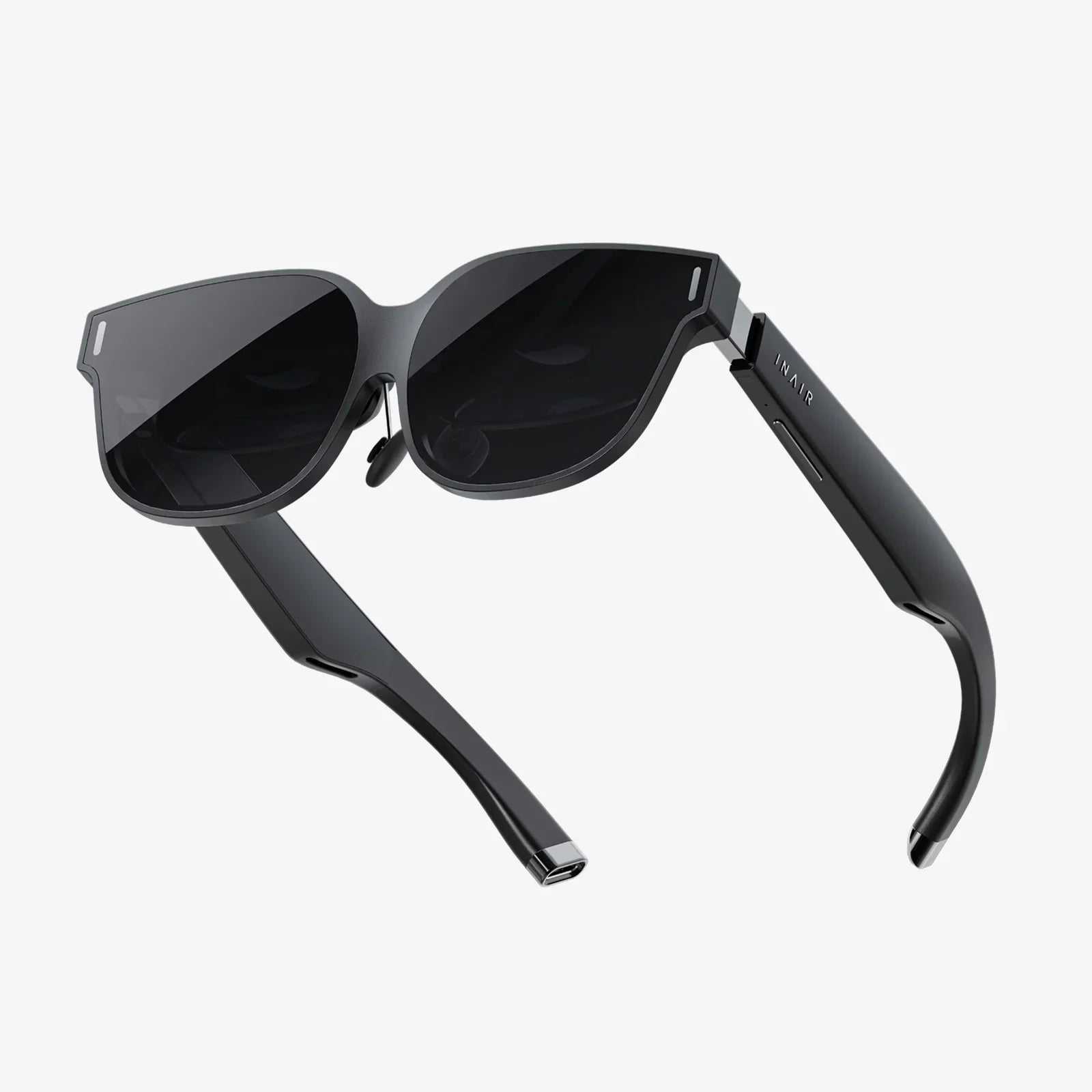
The final layer is the head-mounted display (HMD) and spatial audio. A quality VR headset uses high-resolution screens, precise head-tracking, and wide field-of-view lenses to immerse the user fully. When combined with binaural audio—which mimics how we hear sounds in real life—the illusion becomes complete. The rustle of leaves will seem to come from your left; the echo of a tour guide's voice will appear to bounce off the cathedral walls around you.
Bridging the Gap: From Inspiration to Actualization
For decades, travel marketing has relied on stunning brochures and high-definition videos to inspire wanderlust. Virtual reality represents the next evolutionary step, transforming passive observation into active exploration. It acts as a powerful bridge between the dream of a journey and its realization.
Prospective travelers can now take a "test drive" of a destination before committing their time and resources. Instead of wondering if a hotel's ocean view is as advertised, they can stand on the virtual balcony and see for themselves. They can navigate the layout of a sprawling cruise ship, wander through a potential hiking trail, or assess the accessibility of a historical site. This dramatically reduces the anxiety and uncertainty often associated with planning a complex trip, leading to more confident and satisfied travelers.
Furthermore, VR serves as an unparalleled tool for storytelling and context. A tour of the Pyramids of Giza can be enhanced with interactive data points that, when selected, reveal information about their construction. A visit to the Sistine Chapel can include a layer that restores the famed ceiling to its original, vibrant colors, showing what Michelangelo himself saw. This contextual, educational layer adds depth and meaning that surpasses even an in-person visit without a knowledgeable guide.
Expanding Access and Promoting Inclusivity
Perhaps the most profound impact of virtual reality tours is their ability to democratize travel. For the first time in history, the wonders of the world are becoming accessible to所有人, regardless of physical or financial constraints.
Accessibility for all: VR tourism is a game-changer for individuals with physical disabilities or mobility issues. Sites that are difficult or impossible to navigate in a wheelchair—like the ruins of Machu Picchu or the steps of a medieval castle—become freely explorable. Elderly individuals who can no longer endure long journeys can revisit their favorite places or see new ones. This technology fosters inclusivity on a global scale, ensuring that the joy and education of travel are not limited by physical ability.
Democratizing cost: The financial barrier to entry for international travel is significant. The cost of flights, accommodation, visas, and tours is prohibitive for a large portion of the world's population. Virtual reality tours, by comparison, require only a relatively affordable headset or even just a smartphone. This opens up a universe of cultural and natural heritage to students, families, and individuals for whom international travel is a distant dream. It can fuel a lifelong passion for history, geography, and culture that might otherwise have remained dormant.
A Powerful Tool for Preservation and Sustainability
As overtourism threatens fragile ecosystems and historical sites worldwide, virtual reality presents a sustainable alternative that can aid in preservation efforts.
Delicate sites like the Lascaux Caves in France, which were closed to the public to prevent damage from human respiration, have been meticulously recreated in VR. This allows the public to experience them in a more detailed and intimate way than was ever possible physically, all while protecting the original for future generations. This model can be applied to countless other vulnerable locations, from coral reefs to ancient temples, reducing foot traffic and environmental strain.
From a sustainability perspective, the potential to reduce carbon emissions is staggering. While VR will never replace the desire for physical travel entirely, it can satisfy a portion of the demand. Business travel for conferences, educational school trips, and a segment of tourism could transition to virtual spaces, significantly cutting down on the environmental cost associated with transportation. It allows us to explore and appreciate our world without simultaneously contributing to its degradation.
Navigating the Challenges and Limitations
Despite its immense potential, virtual reality tourism is not without its challenges. The technology, while advancing rapidly, still has hurdles to overcome.
The issue of the "resolution of experience" is paramount. A VR headset cannot replicate the feeling of the sun on your skin, the smell of the rainforest after rain, the taste of local cuisine, or the genuine serendipity of human interaction with locals and fellow travelers. It is a visual and auditory medium, and these other senses are crucial to the holistic experience of being in a new place.
There is also a valid concern that VR could, for some, become a substitute for real travel, potentially impacting local economies that depend on tourism. The goal should not be to replace physical travel but to complement it—to inspire more thoughtful travel, to educate beforehand, and to provide access where there was none. The technology must be developed and marketed as a tool for enhancement and accessibility, not as a complete replacement for the real thing.
The Future Horizon of Virtual Exploration
The trajectory of virtual reality points towards even more immersive and interactive experiences. The future will likely see the integration of haptic feedback technology, allowing users to "feel" the virtual environment—the texture of a stone wall or the spray of a waterfall. Advances in artificial intelligence could lead to interactions with AI-driven locals who can answer questions and tell stories, adding a dynamic social layer.
We are also moving towards more shared social experiences. Platforms are developing where friends and families scattered across the globe can meet up in a virtual space and explore a destination together in real-time, sharing reactions and creating shared memories despite being physically apart. This social dimension will blur the lines between communication and exploration, making VR tourism a tool for connection as much as for discovery.
Ultimately, the line between physical and virtual travel will continue to blur. We may one day choose destinations based on a profoundly realistic VR preview or use AR smart glasses while on location to overlay historical information onto the real world. The journey is just beginning.
The door to the world is now a digital one, and it's swinging wide open. From the comfort of your home, you can answer the call of the wild, walk in the footsteps of emperors, and dive into depths previously reserved for documentaries. Virtual reality tours are not a diminishing of the travel experience but a radical expansion of its possibilities, offering a passport to anywhere, for everyone, at any time. The next great adventure doesn't require a suitcase; it simply requires curiosity and the willingness to put on a headset and step into the unknown.
Share:
Best Virtual Reality Headsets 2025: The Ultimate Guide to the Future of Immersion
What Is Virtual Reality Games - A Deep Dive Into Immersive Digital Worlds