


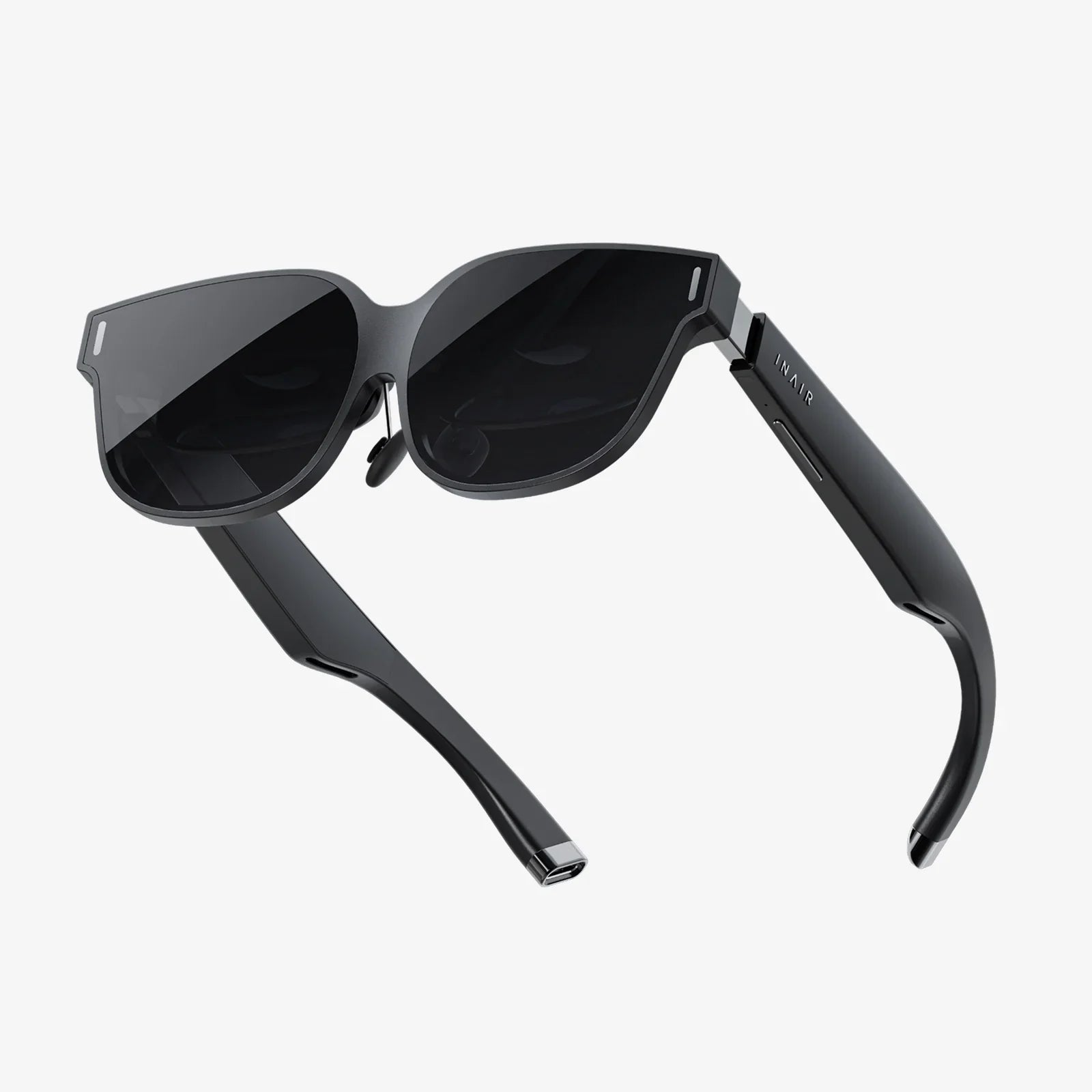
Imagine stepping through your screen, leaving the physical world behind, and entering a fully-realized digital universe where the only limit is imagination. This is the profound promise and captivating essence of virtual reality, a technology that has evolved from a fantastical concept into a powerful computational tool reshaping our perception of reality itself. The journey to understand its meaning is a journey to the very frontier of human-computer interaction.
Deconstructing the Term: Beyond the Buzzword
To grasp the virtual reality meaning in computer science, we must first dissect the term itself. "Virtual" implies a near-reality, a simulation that is functionally or perceptually equivalent but not physically genuine. "Reality" is our subjective experience of the world, constructed from sensory input. In computing, Virtual Reality (VR) is, therefore, a technology that creates a simulated environment, leveraging computational power to generate artificial sensory experiences that immerse the user, making them feel present within a non-physical world. It is not merely a display technology but a gateway to a computer-generated reality.
The Core Pillars of a Virtual Reality System
The meaning of VR is built upon three fundamental pillars, each enabled by sophisticated computer processing:
1. Immersion: The Tricking of the Senses
Immersion is the sensation of being physically present in a non-physical world. It is the primary goal of any VR system and is achieved through a combination of hardware and software working in concert.
- Visual Immersion: This is achieved through head-mounted displays (HMDs) that place high-resolution screens mere centimeters from the user's eyes. Stereoscopic 3D, rendered by the computer's graphics processing unit (GPU), creates depth by presenting slightly different images to each eye, mimicking human binocular vision. A critical computational component is a high refresh rate (90Hz or higher) to ensure smooth motion and low persistence to eliminate motion blur, both essential for preventing discomfort.
- Aural Immersion: Realistic 3D spatial audio is processed to trick the brain into perceiving sounds as coming from specific locations within the virtual space, above, below, behind, or at a distance. This is computationally intensive, requiring real-time processing of Head-Related Transfer Functions (HRTFs) that model how our ears receive sound waves.
- Haptic Feedback: While still evolving, haptic technology uses motors, actuators, and even pneumatic systems to simulate the sense of touch. Computers process physics simulations to determine the appropriate tactile response when a user interacts with a virtual object, from the recoil of a tool to the texture of a surface.
2. Interactivity: The Power to Manipulate
A truly virtual world is not a movie; it is a space that responds to the user's actions. This interactivity is what separates VR from passive media. Computers enable this through:
- Motion Tracking: Precise, low-latency tracking of the user's head and body position is non-negotiable. Systems use a combination of internal sensors (like gyroscopes and accelerometers) and external sensors (cameras, base stations) to feed real-time positional data back to the computer. The computer's CPU must then process this data instantly to update the virtual viewpoint and environment accordingly. Any noticeable delay (latency) between a user's movement and the visual update breaks immersion and can cause nausea.
- Controller Input: Handheld controllers, data gloves, and even finger-tracking cameras allow users to reach into the virtual world and manipulate it. The computer interprets these inputs, running complex physics engines to allow users to pick up objects, push buttons, draw, or gesture naturally.
3. Imagination: Building the Worlds
The computer is the canvas upon which the virtual world is painted. This involves immense creative and computational effort in world-building, crafting environments that can range from photorealistic recreations of real places to abstract, impossible landscapes that defy physics. Game engines are the software powerhouses behind this, providing the tools and rendering pipelines to create these complex, interactive experiences.
The Hardware: The Body of the Virtual Experience
The meaning of VR is inextricably linked to the hardware that delivers it. This hardware acts as the conduit between the human senses and the computer's digital creation.
Head-Mounted Displays (HMDs): The Portal
The HMD is the most recognizable piece of VR hardware. It houses the screens, lenses, and integrated sensors. Modern HMDs fall into categories based on their connection to a computer: tethered (powered by an external computer), standalone (with all computing power built-in), and mobile (using a smartphone for processing and display).
Input Devices: The Virtual Hands
From standard handheld wands to advanced gloves that track individual finger movements, input devices translate human intention into digital action. Inside-out and outside-in tracking systems are used to precisely map the position of these devices in 3D space, a task handled by dedicated processing units.
Supplementary Peripherals: Deepening the Illusion
To enhance immersion further, additional hardware exists, such omnidirectional treadmills that allow users to walk infinitely in a virtual space, haptic suits that provide full-body tactile feedback, and motion platforms that simulate movement and G-forces.
The Software: The Soul of the Simulation
If hardware is the body, software is the soul. The computer's operating system, drivers, and, most importantly, the VR application itself work together to create the magic.
Game Engines: The World-Building Toolkits
Modern VR experiences are predominantly built on powerful game engines. These platforms provide the rendering engine, physics system, lighting models, and asset pipelines necessary to construct a believable world. They handle the monumental task of generating two high-fidelity, perspective-correct images over 90 times per second.
Applications and Experiences
The software defines the purpose of the VR session. This can be a video game, a architectural walkthrough, a medical training simulator, a social space, or a creative tool like a virtual sculpting program. Each application pushes the computer's resources in different ways, from raw graphical power to complex AI and networking for multi-user experiences.
Applications: The Practical Meaning of VR
The theoretical meaning of VR is fascinating, but its practical applications reveal its true transformative power across industries.
Education and Training: Learning by Doing
VR creates safe, repeatable, and cost-effective training environments. Medical students can practice complex surgeries without risk to patients. Astronauts can simulate spacewalks. Mechanics can learn to repair engines. Soldiers can train for combat scenarios. The computer-generated simulation allows for mastery through experiential learning that is impossible to replicate with textbooks or videos.
Healthcare: Healing and Therapy
Beyond training, VR is used for treatment. It is effectively employed in exposure therapy for patients with phobias or PTSD, allowing them to confront triggers in a controlled setting. It aids in physical rehabilitation by turning exercises into engaging games. VR also provides powerful distraction therapy for patients undergoing painful procedures like wound care.
Design and Architecture: Prototyping in the Digital Realm
Architects and engineers use VR to walk clients through unbuilt designs at a 1:1 scale, identifying potential issues long before construction begins. Car designers can sit inside a virtual model of a new vehicle to assess ergonomics and aesthetics. This saves immense time and resources.
Social Connection and Remote Collaboration
VR is evolving into a new platform for social interaction and remote work. Colleagues from across the globe can meet in a shared virtual boardroom, interacting with 3D models as if they were physically present. This concept of the "metaverse" represents a future where our professional and social lives have a significant virtual component.
Challenges and the Future: The Evolving Meaning
The journey of VR is far from over. Several challenges define its current limitations and point toward its future evolution.
Technical Hurdles
Despite advances, issues like screen-door effect, limited field of view, and the need for ever-more powerful computing hardware remain barriers to perfect photorealism and widespread adoption. Solving these requires breakthroughs in display technology, GPU processing, and wireless data transmission.
The Human Factor: Simulator Sickness and Accessibility
Latency and sensory conflict still cause simulator sickness in some users. Furthermore, creating comfortable and accessible experiences for users with different physical abilities is a critical and ongoing challenge for developers.
The Ethical Dimension
As VR becomes more immersive, ethical questions arise. What are the psychological effects of prolonged immersion? How do we protect privacy in these tracked environments? How do we prevent the creation of hyper-realistic but harmful simulations? These questions must be addressed as the technology matures.
The Horizon: What's Next?
The future of VR meaning in computing points towards greater fidelity and integration. Eye-tracking and facial expression tracking will bring avatars to life with unprecedented emotional depth. Brain-computer interfaces could eventually allow us to control virtual environments with our thoughts. Haptics will evolve to simulate temperature and complex textures. Ultimately, VR will become less of a distinct device and more of a seamless layer over our reality, a persistent digital space intertwined with our physical existence.
The true meaning of virtual reality in computing is not found in a headset or a line of code, but in its unprecedented ability to collapse the distance between human thought and digital manifestation. It is the ultimate expression of the computer as a reality engine, a tool that is rapidly moving from simulating worlds to fundamentally augmenting our own, forever blurring the line between the born and the made, the real and the virtual. This is not just a new way to play games; it is a new frontier for human experience, and we are only just beginning to explore its vast and incredible potential.
Share:
AR Glasses OLED: The Invisible Display Revolutionizing Our World
How to Watch 3D Videos in VR: The Ultimate Immersive Entertainment Guide