


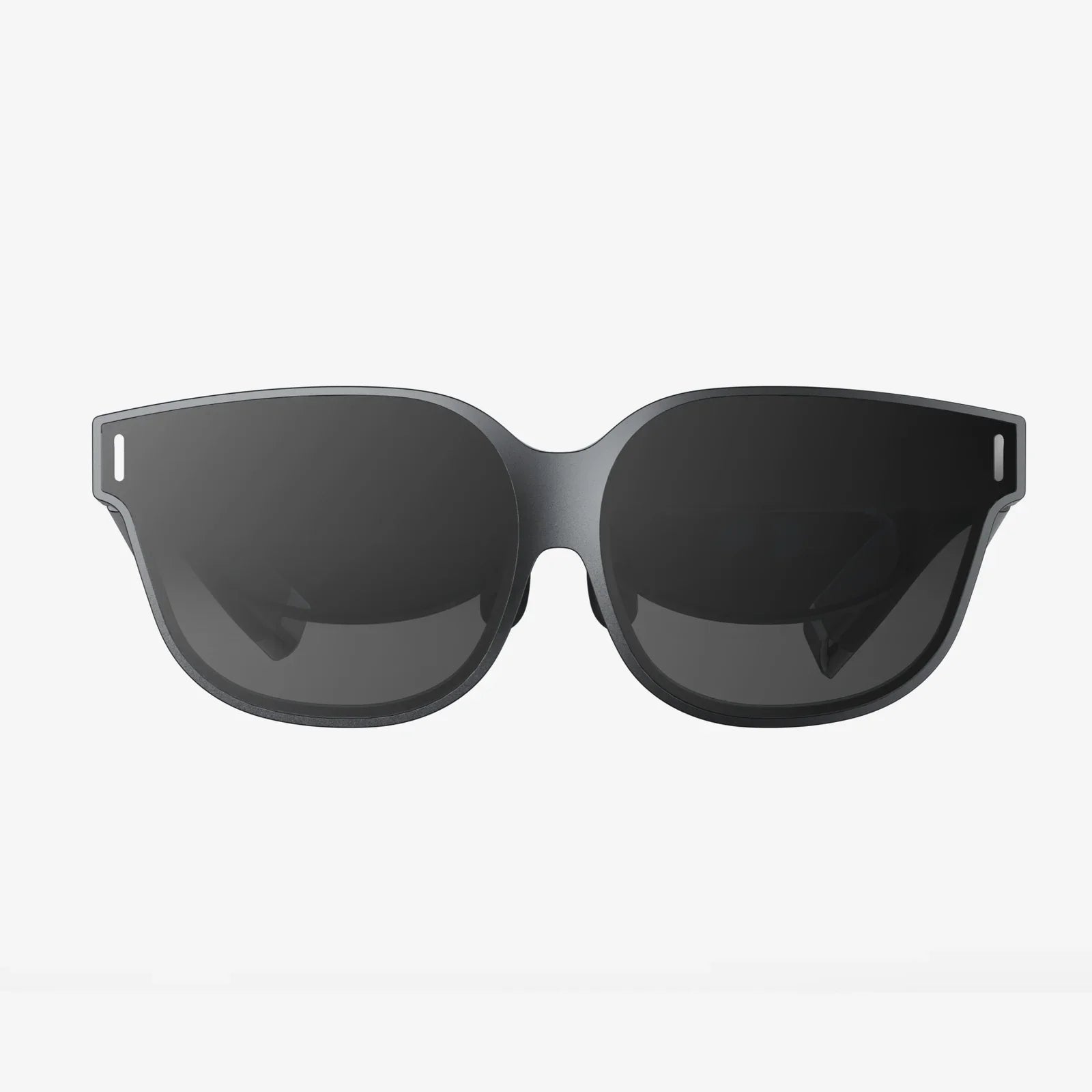
Imagine not just hearing the beat drop, but feeling the bass ripple through your very being as you stand beside the artist on a stage of pure light, or floating through a neon-drenched dreamscape where every note paints the world around you. This is the promise, the potent magic, of the virtual reality music video—a technological and artistic revolution that is tearing down the fourth wall of performance and inviting us to step inside the music itself. It’s an experience that transcends passive listening, transforming the audience from observer to participant in a deeply personal, multisensory narrative. The era of watching a story unfold on a flat screen is giving way to the age of living inside it, and for music lovers and creators alike, the possibilities are as limitless as the virtual realms they can build.
The Dawn of a New Sensory Medium
The journey of the music video is a story of constant evolution. From the simple performance clips of the 1960s to the high-concept, cinematic narratives of the 1980s and the viral, often user-generated content of the 2000s, each technological leap has expanded the palette available to artists. The advent of affordable, high-quality head-mounted displays marked the next, and perhaps most profound, step in this evolution. Suddenly, the tools to create fully immersive, 360-degree worlds were accessible not just to major studios with million-dollar budgets, but to visionary independent artists and filmmakers.
This shift is more than just technical; it is fundamentally philosophical. Traditional film and video are framed experiences. The director dictates exactly what the viewer sees, guiding their gaze and controlling the narrative flow through careful editing and composition. A virtual reality music video shatters this frame. The director becomes an architect of worlds and a curator of experiences, designing an environment filled with narrative potential, but ultimately ceding control of the viewpoint to the audience. The story is no longer told to you; it unfolds around you, and your choices—where you look, which path you follow, which character you observe—become an integral part of the experience. This creates a unique and powerful sense of agency, making each viewing personal and unique.
Crafting Worlds, Not Just Scenes: The Art of VRMV Storytelling
The creative process for a virtual reality music video is a complex ballet between auditory and visual design, requiring a completely different approach to narrative. It begins, as all music videos do, with the track itself. The tempo, melody, lyrics, and emotional tone of the music become the blueprint for the virtual environment. A melancholic ballad might inspire a vast, lonely landscape that reacts to the singer’s voice, while an aggressive electronic track could fuel a chaotic, pulsating data visualization that the user navigates at high speed.
Storyboarding for immersion is a unique challenge. Instead of sequencing shots, creators map out environments. They must consider the entire sphere of human perception—what is in front, behind, above, and below the viewer at any given moment. Key narrative elements or emotional cues can be placed anywhere within this sphere, encouraging exploration and rewarding a curious gaze. This often means designing multiple points of interest within a single scene, allowing for a non-linear narrative where the viewer might miss certain details on one viewing only to discover them on the next, thus enhancing rewatchability.
The technology used is a blend of cutting-edge tools. Volumetric capture allows artists to be scanned and rendered as 3D models, enabling them to exist within the digital space alongside animated elements. Real-time game engines are the powerhouse behind most experiences, rendering complex worlds instantly based on the user’s head movements, which is essential for maintaining immersion and preventing the motion sickness that can occur with lag. Spatial audio is the final, critical piece of the puzzle. By simulating how sound behaves in a 3D space, it allows a whisper to feel like it’s coming from just behind your ear, or a guitar solo to feel like it’s soaring directly overhead, perfectly syncing the soundscape with the visual landscape to create a truly cohesive and believable world.
The Listener as Protagonist: A Revolution in Fan Engagement
The most radical aspect of the virtual reality music video is its redefinition of the audience's role. In a traditional video, we are spectators. In a VRMV, we are guests, explorers, and sometimes even characters within the story. This active participation forges a much deeper, more emotional connection to the music. You don’t just watch a performer express longing; you find yourself alone with them in a desolate, beautiful world, feeling the weight of that emotion in the emptiness around you.
This medium also unlocks powerful new forms of artistic expression. Abstraction can be experienced physically. A visual representation of a synth melody isn’t just something you see; it’s a tunnel you fly through. A metaphor in a lyric can become a tangible, interactive object in your hand. This literalization of music’s emotional and thematic content makes it more visceral and memorable than ever before.
For the music industry, this presents a thrilling new frontier for fan engagement. An immersive video is not just a piece of content to be consumed; it is an experience to be sought out and lived. It offers a powerful value proposition that can’t be pirated or passively streamed in the same way, creating new opportunities for monetization and deeper artist-fan relationships. Imagine exclusive virtual reality experiences attached to album releases or virtual meet-and-greets held inside these crafted worlds. The potential for building community and fostering a dedicated fanbase is immense.
Navigating the Current Frontier: Challenges and Considerations
Despite its incredible potential, the virtual reality music video medium is still in its relative infancy, and it faces several significant hurdles on its path to mainstream adoption. The first and most obvious is the hardware barrier. While prices are falling, the requirement for a dedicated headset still represents a cost and a commitment that prevents widespread, casual access. The industry is grappling with a classic chicken-and-egg problem: content drives headset adoption, but producing high-quality content requires an audience large enough to justify the investment.
Creatively, the learning curve is steep. The rules of immersive storytelling are still being written. Directors must unlearn decades of cinematic language focused on controlling the frame. How does one build narrative tension or guide emotion when the viewer can look away at any moment? How are traditional film techniques like close-ups or quick cuts adapted for an environment where they can cause discomfort? These are questions artists are actively experimenting with, and the answers are evolving with every new project.
Furthermore, there is the ever-present challenge of accessibility. To ensure the art form reaches its full potential, creators must be mindful of designing experiences that are comfortable for those prone to simulation sickness, and they must find ways to make the content available to those who cannot afford or do not wish to use a headset, perhaps through 360-degree video on platforms that can be navigated with a mouse or mobile device, even if it offers a less immersive version of the experience.
Glimpsing the Horizon: The Future of Musical Immersion
The future of virtual reality music videos is poised to integrate with other transformative technologies, pushing the boundaries of immersion into the realm of the unbelievable. The integration of haptic feedback vests and gloves will allow users to not just see and hear the music, but to feel it—to feel the vibration of a drum, the rush of wind as they move, or the texture of a virtual object.
Looking further ahead, the concept of the "metaverse"—a persistent, shared virtual space—suggests a future where these videos are not isolated experiences but destinations within a larger musical world. You could meet friends at a virtual venue to experience a new premiere together, then walk through a gallery of an artist’s previous immersive works. Live concerts streamed in virtual reality are already happening, but future iterations could allow you to choose your viewpoint, from front-row center to right on stage with the band.
The ultimate evolution may lie in brain-computer interfaces, which aim to translate the artist’s neural impulses directly into a visual and auditory landscape, creating a pure, unfiltered expression of their creative vision for the audience to inhabit. While this remains in the realm of science fiction for now, it underscores the direction of the medium: towards a deeper, more direct, and more personal connection between the artist’s intention and the audience’s perception.
We are standing at the precipice of a new artistic renaissance, one where the barriers between creator and audience, between sound and sight, between story and self, are dissolving into nothingness. The virtual reality music video is not merely a new way to watch; it is the birth of a new way to feel, to connect, and to experience the universal language of music in the most profoundly personal way imaginable. The screen is vanishing, and the stage is everywhere.
Share:
Mixed Reality VR Headset: The Ultimate Portal to Blending Realities
How to Customize Spatial Audio: A Complete Guide to Immersive Sound