


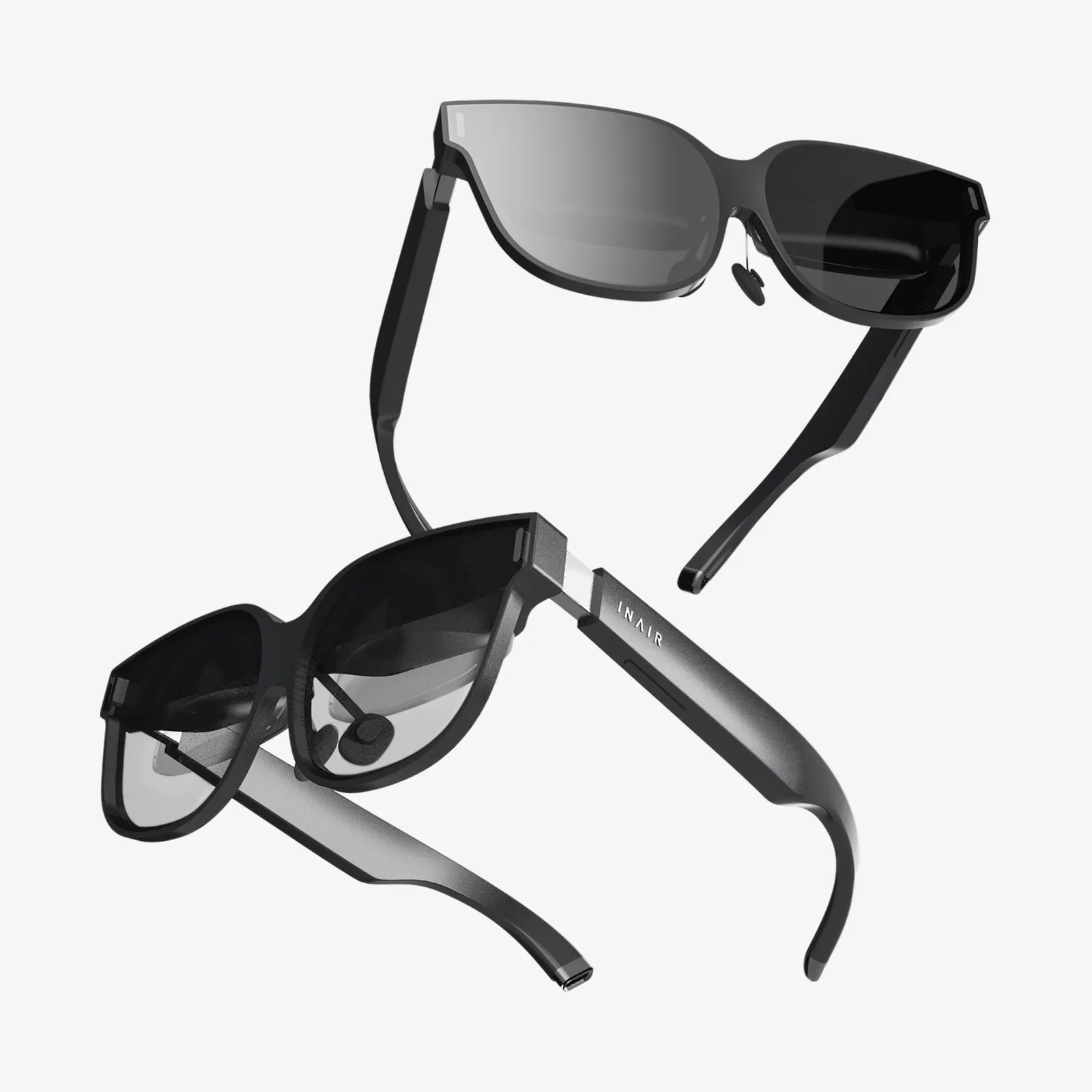
Imagine slipping a sleek, lightweight viewer onto your head and instantly being transported from your living room to the edge of a volcano, the front row of a concert, or the cockpit of a starship. This isn't a glimpse into a distant, sci-fi future; it's the reality available to billions of people today, hidden in plain sight within the device in their pocket. The power to unlock immersive, three-dimensional worlds is no longer confined to high-end, expensive desktop setups. Virtual reality on your smartphone has democratized this transformative technology, turning a ubiquitous piece of hardware into a portal for exploration, education, and entertainment. The revolution isn't coming; it's already here, and it’s waiting for you to hit 'download'. The journey from a simple communication tool to a window into other realities is one of the most fascinating evolutions in modern computing, and it promises to reshape how we interact with digital content forever.
The Magic Behind the Screen: How Your Phone Becomes a VR Portal
At its core, the concept is elegantly simple yet technologically profound. Your smartphone is a marvel of miniaturization, packing components that were once the exclusive domain of dedicated VR systems. The key lies in repurposing these components to create a convincing illusion of depth and space.
The most critical element is the high-resolution display. Modern smartphone screens offer pixel densities that are more than sufficient to render crisp visuals for each eye when viewed through a lens. These lenses, housed in a simple head-mounted viewer, are the true workhorses. They refract the light from the screen, placing the image at a comfortable focal distance and widening the field of view to fill your peripheral vision, effectively tricking your brain into perceiving a vast digital environment instead of a small, flat panel mere inches from your face.
But a visual alone isn't enough to sell the illusion of reality. This is where the smartphone's internal gyroscope, accelerometer, and magnetometer come into play. These sensors act as the system's inner ear and compass, tracking the precise orientation of your head in real-time. When you look up, down, left, or right, the sensors relay this movement to the software, which instantly adjusts the perspective within the virtual world. This 3-degree-of-freedom (3DoF) tracking is the foundation of mobile-based immersion, allowing for natural and responsive rotational movement that makes the digital space feel anchored to your real-world motions.
Choosing Your Gateway: Understanding Mobile VR Viewers
To embark on this journey, you need a bridge between your phone and your senses: a viewer. These devices range from astonishingly simple to moderately complex, but all serve the same primary function.
The most accessible entry point is the classic cardboard viewer. Constructed from, as the name implies, cardboard, plastic, or foam, these viewers are low-cost and often foldable for easy portability. They provide the basic lenses and a compartment to securely hold your smartphone. Their simplicity is their greatest strength, offering a zero-commitment way to dip your toes into the virtual waters. You simply slide your phone in, launch a compatible app, and you're ready to go.
For a more premium and comfortable experience, plastic viewers offer enhanced features. These typically include adjustable head straps, cushioned face pads, and integrated controllers. These controllers are a significant upgrade, providing a way to interact with the virtual environment. They connect via Bluetooth and allow for pointing, clicking, and gesturing, adding a crucial layer of interactivity that goes beyond mere observation. While still relying on the phone for all processing and display, these viewers provide a more robust and user-friendly hardware interface, making longer sessions more enjoyable.
A Universe of Experiences: What Can You Actually Do?
The true value of any technology lies in its application. The ecosystem of mobile virtual reality is vast and diverse, catering to a wide array of interests.
Gaming and Interactive Entertainment
This is often the first destination for new users. The mobile app stores are filled with immersive games designed specifically for this platform. You can find yourself solving intricate puzzles in mysterious rooms, wielding a lightsaber in rhythm-based combat, experiencing heart-pounding horror scenarios, or piloting mechs in intense shooters. The intuitive nature of looking around to aim and using a simple controller to interact makes the gameplay deeply engaging and accessible.
Virtual Travel and Exploration
Perhaps one of the most powerful applications is the ability to travel anywhere on (or off) the planet. Through dedicated platforms, you can take guided 360-degree tours of the world's greatest museums, ancient historical sites, and natural wonders. You can stand on the surface of Mars courtesy of rover data, dive the Great Barrier Reef, or walk the streets of a foreign city you've always dreamed of visiting. These experiences are more than just videos; they are captured photospheres that place you at the center of the action, offering a profound sense of presence and scale that flat images or videos cannot match.
Educational and Training Tools
Educators and trainers have eagerly adopted this technology for its unique ability to facilitate experiential learning. Medical students can explore detailed, interactive 3D models of the human body, peeling back layers of anatomy. History classes can virtually visit the pyramids of Giza or the Colosseum in Rome as they were in their prime. Corporate training programs use simulated environments to practice public speaking, learn safety procedures, or operate complex machinery in a risk-free setting. The immersive nature dramatically improves knowledge retention and engagement.
Social Connection and Shared Experiences
Virtual reality is increasingly becoming a social platform. Apps allow you to create a cartoonish avatar and meet friends or strangers in virtual spaces. You can watch movies together in a simulated cinema, play social games, attend live events like comedy shows or concerts, or simply hang out and chat as if you were in the same room. This application saw a significant surge as a way to combat isolation, proving that shared experiences can feel genuine and meaningful even when participants are physically miles apart.
Navigating the Limitations: A Balanced Perspective
While the accessibility of smartphone-based VR is its superpower, it's important to understand its current constraints compared to more powerful, dedicated systems. The most significant limitation is processing power. High-fidelity, graphically intensive experiences can cause smartphones to heat up and drain battery life rapidly. Furthermore, the tracking is generally limited to rotational movement (3DoF); you can't physically walk around in the virtual space as you can with advanced outside-in tracking systems (6DoF).
User comfort is also a consideration. Experiences that involve rapid movement can induce simulator sickness in some individuals. It's always advised to start with stationary experiences and take frequent breaks. The visual fidelity, while impressive, may still show a faint "screen-door effect" or have a slightly blurry periphery due to the lens design. However, for the vast majority of casual and introductory uses, these limitations are far outweighed by the convenience and low barrier to entry.
The Future is in Your Hand: Where Do We Go From Here?
The trajectory of mobile technology points toward a future where these limitations will steadily erode. With each new generation of smartphones, we see more powerful processors, higher-resolution displays with faster refresh rates, and improved battery efficiency. Advances in computer vision and machine learning could eventually allow phone cameras to be used for inside-out positional tracking, bridging the gap between mobile and high-end VR. Furthermore, the development of 5G and future network technologies promises to enable cloud-based rendering, where the heavy graphical lifting is done on remote servers and streamed seamlessly to the headset, freeing the phone from its processing constraints entirely.
This evolution will continue to blur the lines between different tiers of virtual reality, making rich, interactive, and socially connected experiences available to an ever-growing audience. The smartphone has proven to be the perfect Trojan horse for VR, introducing the masses to immersion through a device they already know, trust, and use daily.
So, what are you waiting for? That rectangle of glass and metal in your pocket or bag is more than a tool for communication and productivity; it's a key. It's a ticket to front-row seats at events you missed, a passport to every corner of the globe, a classroom for unimaginable subjects, and a playground limited only by developer creativity. The world of virtual reality on your smartphone is not a pared-down imitation of the 'real' thing—it's a vibrant, accessible, and constantly expanding universe of experiences waiting to be discovered. Your next adventure is literally a download away; all you have to do is look up.
Share:
new ai tool china reshaping innovation, work, and daily life
Virtual Reality Transparent: Seeing Through the Next Digital Revolution