


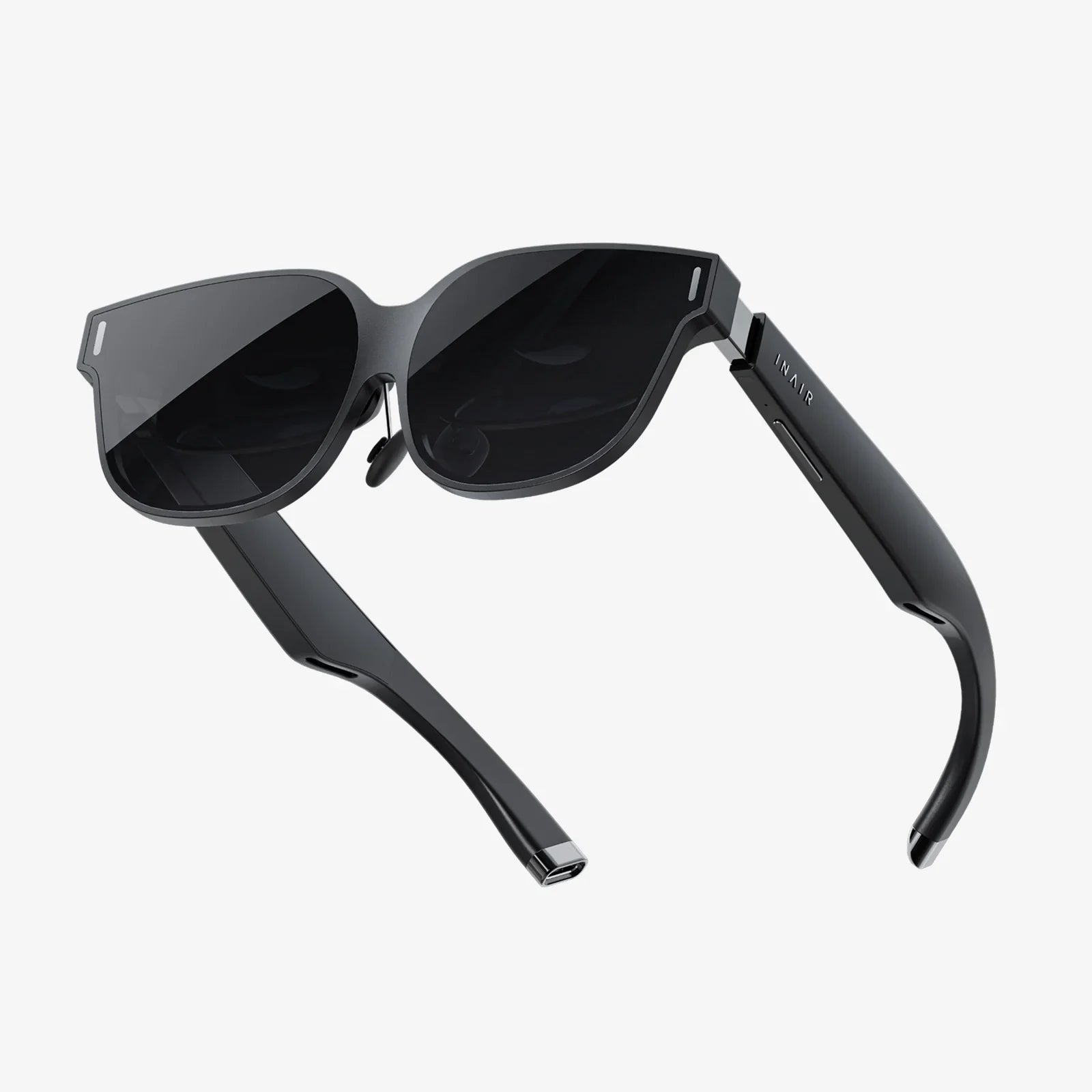
Imagine a presentation where your audience doesn't just listen; they step inside your vision, explore data with their hands, and feel the emotional weight of your narrative. This is the transformative power of virtual reality, a tool poised to render the traditional slide deck obsolete and catapult communication into a new dimension of engagement and impact. For forward-thinking professionals, educators, and creators, mastering virtual reality presentation ideas is no longer a futuristic fantasy—it's the next frontier in persuasive and memorable communication.
Beyond the Slide Deck: The Foundational Principles of VR Presentations
Before diving into specific ideas, it's crucial to understand what makes a VR presentation fundamentally different. It's not about porting PowerPoint into a headset. It's about designing an experience.
The Core Tenets of Immersive Design
A successful virtual presentation hinges on a few key principles that separate it from its flat-screen counterparts.
- Presence Over Information Density: The goal is to make the audience feel physically present within the scenario you've created. This sense of "being there" is more powerful than cramming in dozens of bullet points. It triggers emotional responses and creates lasting memories.
- Interactivity is Mandatory: Passive viewing has no place in VR. Your audience must be able to interact. This could mean selecting the next part of the story, manipulating 3D models, or voting on outcomes through their gaze or controllers.
- Spatial Storytelling: The narrative unfolds around the user. The story is told through the environment, the spatial arrangement of objects, and the user's movement through the virtual space. You guide their attention, but they discover the story at their own pace.
- Scale and Perspective: VR's unique ability to convey immense scale or microscopic detail is its superpower. Use it to show the vastness of a new architectural design or the intricate inner workings of a tiny component.
Virtual Reality Presentation Ideas for Corporate and Product Training
Corporate training is one of the most fertile grounds for VR presentations, offering a safe, scalable, and incredibly effective way to onboard employees and impart complex knowledge.
1. The Interactive Onboarding Portal
Instead of a packet of PDFs and a tedious lecture, drop new hires into a virtual headquarters. They can navigate to different departments, pick up virtual products to learn about them, and meet life-sized holographic avatars of key team members who introduce themselves and their roles. This creates a welcoming and memorable first-day experience that standardizes information delivery across global offices.
2. Complex Process Walkthroughs
Need to train technicians on assembling a complicated machine or surgeons on a new procedure? A VR presentation allows them to walk through each step in a photorealistic, risk-free environment. They can practice disassembling and reassembling a full-scale 3D model, with contextual cues and instructions appearing as they focus on each component. This "learn by doing" approach dramatically increases knowledge retention and confidence.
3. Empathy and Soft Skills Training
This is a revolutionary application. Place employees in difficult scenarios—a tense negotiation, a sensitive customer complaint, a diversity and inclusion situation. They can practice their responses and experience the conversation from the other person's perspective. By literally standing in someone else's shoes, they develop deeper empathy and sharper interpersonal skills.
Virtual Reality Presentation Ideas for Sales and Marketing
In sales and marketing, the goal is to make a product or vision irresistible. VR is the ultimate tool for creating desire and closing the imagination gap.
1. The Immersive Product Demo
Move beyond videos and brochures. Let a client step inside your product. A car manufacturer can let potential buyers sit in the driver's seat of a new model, change the interior trim with a glance, and even take it for a virtual test drive on a scenic road. An industrial equipment seller can let a client operate a massive piece of machinery right in their office, demonstrating its power and ease of use without the logistical nightmare of a physical demo.
2. The Unbuilt World Tour
This is a game-changer for real estate, architecture, and interior design. Don't show clients blueprints or even static renders; walk them through the unbuilt home, skyscraper, or renovated office space. They can change wall colors, swap out furniture, and experience the flow of the space at true-to-life scale. This eradicates doubt and allows clients to fall in love with a vision before a single brick is laid.
3. Data Visualization and Impact
Presenting market research or performance metrics? Instead of a chart, build a "data cathedral." Imagine walking your client through a beautiful, abstract landscape where the height of towers represents sales figures, the flow of rivers represents web traffic, and the color of the sky shifts with customer sentiment. Complex data becomes an intuitive, explorable, and unforgettable environment.
Virtual Reality Presentation Ideas for Education and Storytelling
Educators and non-profits can use VR to create profound emotional connections and foster deep understanding of abstract or historical concepts.
1. Historical and Cultural Time Travel
History lessons transform from reading about the past to living it. Students can stand on the ancient Roman forum, witness a famous speech, or explore a reconstructed ancient Egyptian temple. This creates a visceral connection to the subject matter that textbooks simply cannot provide.
2. Scientific and Medical Exploration
Journey inside the human body to witness the immune system battle a virus. Stand on the surface of Mars, looking up at a pink sky and two moons. Manipulate the double helix of DNA or the complex structure of a molecule. VR makes the impossibly large, small, or distant tangible and comprehensible.
3. Narrative Empathy and Cause Awareness
Charities and NGOs can use VR to build incredible empathy for their causes. Instead of telling donors about a water shortage, transport them to a village where they can follow a child on a long, daily journey to fetch water. This first-person perspective is a powerful catalyst for action and donation, making abstract problems urgently real.
Overcoming Practical Hurdles: Accessibility and Execution
The ideas are exciting, but the practicalities can be daunting. The key is to start with a focused pilot project.
- Hardware Options: While high-end headsets offer the best experience, more affordable standalone devices are highly capable and perfect for controlled demos or kiosk-style presentations. For maximum accessibility, consider WebXR experiences that can run on smartphones with simple cardboard viewers.
- Development Paths: You don't always need a full development team. Several robust software platforms now allow for the creation of VR presentations using drag-and-drop interfaces, 360-degree video, and imported 3D assets. For more complex interactivity, partnering with a specialized studio is advisable.
- The Hybrid Approach: Not every meeting requires a full VR dive. A powerful strategy is to use a traditional screen to introduce the topic and then, for the core "wow" moment, have the audience don headsets for a short, impactful, 3-5 minute immersive experience.
The era of the flat, forgettable presentation is over. The technologies and platforms are here, waiting to be wielded by those bold enough to lead the conversation into a new dimension. The question is no longer if virtual reality will redefine how we share ideas, but when you will choose to step through the portal and begin building the experiences that will captivate, educate, and inspire your audience like never before.
Share:
What Is the Point of Virtual Reality? Beyond the Gimmick to a New Reality
Virtual Reality 2025: The Year the Digital and Physical Worlds Truly Merge