


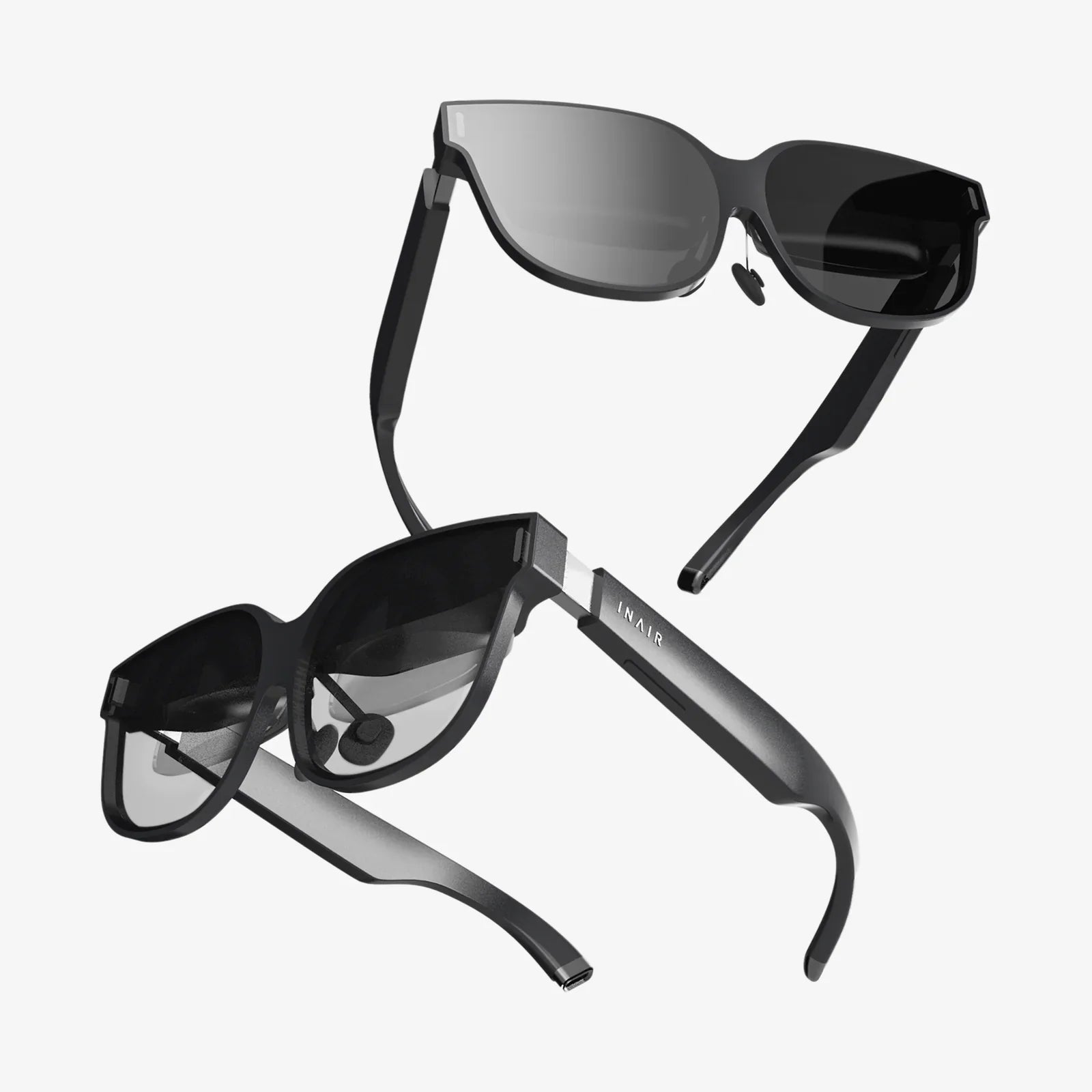
You’ve seen the videos: a person wearing a bulky headset, flailing their arms in the air, completely oblivious to the real world. It looks like fun, a neat party trick, perhaps the ultimate escape. But is that all there is to it? Is virtual reality just an expensive, isolating piece of tech for gamers and tech enthusiasts? To dismiss it as such is to miss the profound, transformative point of this burgeoning medium. The true point of virtual reality is not to escape our reality, but to augment, enhance, and fundamentally redefine our human experience within it. It is a portal to empathy, a catalyst for learning, a canvas for creation, and perhaps the next significant step in the evolution of human connection and understanding. This isn't about replacing the world; it's about expanding its possibilities in ways previously confined to the realm of science fiction.
The Empathy Machine: Walking in Another's Shoes
Perhaps the most powerful and unexpected application of VR is its capacity to foster profound empathy. For centuries, stories have been our primary tool for understanding perspectives different from our own. We read books, watch films, and listen to podcasts. But VR is different. It doesn't tell you a story; it places you within it. This is known as embodied presence—the neurological trick where your brain accepts the digital environment as real.
Consider the potential. Instead of watching a documentary about a refugee crisis, you can experience a VR piece that transports you to a sprawling camp. You don't just see the conditions; you stand within them. You look around, hear the sounds, and feel the scale of the situation in a way a flat screen can never convey. Medical students can experience the world through the eyes of a patient with a neurological disorder, gaining a visceral understanding of their daily challenges. Corporate executives can literally sit in the seat of a junior employee on the other side of the world.
This transformative power makes VR an unparalleled tool for breaking down barriers of misunderstanding. It moves empathy from an intellectual exercise to a visceral, emotional one. By virtually walking in another person's shoes, we can build bridges of understanding that feel real, making the abstract tangibly human and fostering a deeper, more compassionate connection to the plights and perspectives of others.
Revolutionizing Education and Training: Learning by Doing
The old model of education—lectures, textbooks, and standardized tests—is being radically challenged by the immersive potential of VR. The point here is active, experiential learning versus passive reception of information. Imagine a history class where students don't just read about Ancient Rome; they can stand in the Forum, hear the echoes of the crowd, and look up at the architecture surrounding them. Biology students can take a journey through the human bloodstream, watching red and white blood cells navigate around them. Astronomy classes can become interstellar voyages to the rings of Saturn.
This extends powerfully into professional training, where mistakes in the real world can be costly or dangerous. Surgeons can practice complex procedures on virtual patients, honing their skills without risk. Mechanics can learn to repair the engine of a new vehicle model before it even physically exists. Pilots have used simulators for decades, and VR is the democratization of that technology, making it accessible for everything from welding to advanced electrical engineering.
VR training creates a safe-to-fail environment. Trainees can make mistakes, see the consequences, and learn from them without any real-world damage. This accelerates the learning curve, boosts confidence, and ensures a higher level of competence when individuals transition to real-world tasks. The point is mastery through immersion, turning theoretical knowledge into practical, muscle-memory-backed experience.
The Future of Work and Collaboration: The Demise of the Distance
The global shift to remote work has revealed a significant limitation of current technology: video conferencing. While convenient, a grid of faces on a screen is a poor substitute for the dynamic, nuanced interaction of a physical meeting. It's difficult to read body language, impossible to make eye contact, and sorely lacking in the spontaneous "water cooler" moments that drive innovation and build culture.
Virtual reality promises to create the next evolution of the digital office: the persistent virtual workspace. Instead of a video call, teams from across the globe can don headsets and gather around a virtual prototype of a new product. They can examine it from all angles, manipulate it with their virtual hands, and make annotations in 3D space. Architects and clients can walk through a building design long before the foundation is poured. Data scientists can stand inside a visualization of their data, spotting trends and patterns that would be invisible on a 2D chart.
This isn't about replicating a meeting room; it's about creating a new kind of collaborative space unbounded by the laws of physics. The whiteboard is infinite. The models are life-sized. The tools are limited only by imagination. The point of VR here is to make geographical distance irrelevant, fostering a sense of shared presence and enabling a quality of collaboration that flat screens simply cannot provide, ultimately driving productivity and innovation to new heights.
Unlocking Creativity and Design: The Ultimate Canvas
Every new medium gives rise to a new class of artists. VR is no different. It offers creators a canvas with an entirely new dimension: depth and scale. Artists are no longer painting on a surface; they are sculpting with light in a 360-degree space. Musicians can create spatial soundscapes where a listener can physically walk through the composition, hearing different elements from different directions.
For designers and engineers, VR is a revolutionary prototyping tool. An automotive designer can create a full-scale model of a car's interior, sit in the driver's seat, and assess sightlines and ergonomics long before any metal is cut. An interior decorator can furnish a room for a client, allowing them to experience the layout and flow before purchasing a single piece of furniture. This shifts the design process from abstract representation to experiential validation.
The point for creators is the dissolution of the barrier between the idea in their mind and its manifestation. Tools that allow users to "paint" in 3D space or manipulate virtual clay with their hands provide an intuitive and powerful connection between intention and creation. VR becomes a playground for the imagination, where the only limit is the creator's vision, democratizing design and artistic expression in unprecedented ways.
Therapeutic and Wellness Applications: Healing the Mind and Body
Beyond its external applications, VR is proving to be a powerful tool for looking inward, offering groundbreaking therapies for both mental and physical health. For physical rehabilitation, VR can turn painful, repetitive exercises into engaging games. A patient recovering from a stroke might be tasked with virtually catching butterflies, a fun activity that discreetly guides them through the necessary motions to regain motor control. This gamification of therapy increases motivation and adherence to treatment plans.
For mental health, VR exposure therapy (VRET) is a well-established technique. It allows patients with phobias, PTSD, or anxiety disorders to confront their triggers in a carefully controlled, safe, and gradual environment. A person with a fear of flying can experience the sights and sounds of an airplane from takeoff to landing, all from the safety of their therapist's office. They can pause, repeat, and master each step at their own pace.
Furthermore, VR is being used for mindfulness and meditation. Users can transport themselves to a serene beach at sunset or a quiet forest glade, blocking out the stressors of the outside world. The point is to use immersive escapism not as avoidance, but as a targeted, therapeutic tool to rewire neural pathways, manage pain, reduce stress, and heal both the body and the mind.
Challenges and the Ethical Horizon
Of course, this powerful technology does not come without its significant challenges and ethical questions. The issue of data privacy is paramount. VR headsets can collect a staggering amount of biometric data: eye-tracking, gait analysis, voice recordings, and even emotional responses. Who owns this data? How is it used? The potential for manipulation and surveillance is a serious concern that requires robust ethical frameworks and regulation.
There is also the risk of the "experience gap"—a new digital divide where access to these transformative virtual experiences becomes a marker of socioeconomic privilege. Furthermore, prolonged immersion could potentially lead to new forms of addiction or a blurring of the lines between the virtual and the real, impacting social skills and our connection to the physical world.
Navigating this new frontier responsibly is paramount. The technology is advancing faster than our social and legal structures can adapt. The point is not to blindly charge forward, but to develop VR with a conscious emphasis on human-centered design, equitable access, and strong ethical guardrails to ensure it serves to enhance humanity, not exploit it.
The flickering images within a VR headset are more than just pixels and code; they are the building blocks of a new layer of human reality. This technology is not a fad but a fundamental shift in how we connect, learn, create, and heal. It challenges us to rethink the very nature of presence and experience. The journey beyond the gimmick has already begun, and it promises to reshape our world in ways we are only starting to imagine. The headset isn't just a device; it's a doorway. The only question left is what we will choose to build on the other side.
Share:
How to Enjoy Spatial Audio: A Complete Immersive Sound Guide
Virtual Reality Presentation Ideas: Revolutionizing Engagement and Memory