


Imagine slipping on a headset and instantly being transported to a front-row concert, a meticulously recreated ancient ruin, or a strategic command center in a distant galaxy. This is the promise of virtual reality, a technology that has exploded from science fiction fantasy into a tangible, awe-inspiring reality. But for many, the journey into the virtual world begins with a very real-world question: how much does it actually cost? The virtual reality price range is as vast and varied as the experiences it offers, presenting a landscape that can be both exciting and daunting to navigate. Understanding this spectrum is the first critical step toward claiming your passport to these incredible digital realms, and it all starts with aligning your aspirations with your investment.
Deconstructing the Cost: What You're Really Paying For
Before diving into specific price brackets, it's essential to understand the components that dictate the cost of a VR system. The price tag is not arbitrary; it reflects a combination of technological sophistication, design philosophy, and intended use case.
Display Technology and Resolution
The window to the virtual world is the display. Higher-priced headsets boast advanced displays with superior resolution, higher refresh rates (often 90Hz, 120Hz, or even beyond), and reduced screen-door effect (the visible gaps between pixels). Technologies like OLED and fast-switch LCDs contribute to deeper blacks, more vibrant colors, and smoother motion, which are crucial for combating motion sickness and achieving true immersion.
Tracking Systems: Inside-Out vs. Outside-In
How the headset understands your movement in physical space is a major cost driver. Outside-in tracking relies on external sensors or base stations placed around your room to precisely track the headset and controllers. This system is renowned for its millimetric accuracy, especially beneficial for professional applications and competitive gaming, but it adds to the cost and setup complexity. Inside-out tracking, where cameras on the headset itself map the environment, is more convenient and portable, often leading to a lower overall package price, though historically it could be slightly less accurate at the extremes of movement.
Processing Power: Tethered vs. Standalone
This is perhaps the most significant factor in the virtual reality price range. Standalone headsets have all the necessary computing hardware built-in. They are wireless, self-contained, and incredibly user-friendly, but their mobile-grade processors limit their graphical fidelity. Tethered headsets are essentially high-resolution displays; they offload all processing to a powerful external computer or game console. This allows for breathtaking, photorealistic graphics but requires a significant additional investment in hardware and binds you to a cable.
Controllers and Haptic Feedback
The feel of the controllers in your hand and the quality of their haptic (vibration) feedback can vary dramatically. Basic controllers simply track position. Higher-end models feature advanced finger-tracking, pressure-sensitive buttons, and nuanced haptics that can simulate the feeling of pulling a bowstring or the texture of a virtual object, adding a profound layer of immersion.
Comfort and Build Quality
Cheaper headsets often use more plastic and simpler strap systems. As you move up the price range, you encounter premium materials like reinforced composites, better facial interfaces (often with replaceable foam or leather-like padding), and sophisticated weight-distribution systems that make长时间 sessions comfortable.
The Budget-Conscious Tier: Entry-Level VR (Under $400)
This segment of the virtual reality price range is focused on accessibility and removing barriers to entry. It's dominated by standalone devices that offer a fantastic introduction to VR without requiring a high-end computer.
What to Expect: Users can expect a good, often surprising, level of immersion. The experiences are smooth and enjoyable, focusing on casual games, social apps, 360-degree videos, and fitness applications. The graphics will be comparable to a modern mobile game—perfectly functional and fun, but not pushing the boundaries of visual realism.
Trade-offs: To hit this price point, compromises are made. These typically include lower-resolution displays, less powerful processors that limit graphical complexity, and simpler controller designs with basic haptics. The field of view (how much of your vision is covered) might be narrower, and the build materials are more utilitarian.
Ideal User: This tier is perfect for the curious newcomer, families with children, individuals interested in mobile VR fitness, or those who primarily want to consume media and engage in social VR spaces. It represents the lowest-risk way to determine if VR is for you.
The Mainstream Sweet Spot: Mid-Range VR ($400 - $800)
This is the most competitive and popular segment of the market, offering a compelling blend of performance, convenience, and value. It often includes hybrid devices that can function both as a standalone unit and as a tethered headset for a PC.
What to Expect: A significant jump in quality is evident here. Displays are sharper with better color reproduction, processors are more capable, and the overall experience is more polished. This tier often introduces features like a higher refresh rate for smoother motion and improved inside-out tracking with more cameras for better accuracy and controller tracking behind the back.
Expanded Capabilities: The ability to connect to a gaming PC (often via a single USB-C cable) is a killer feature in this range. It allows users to access the vast library of high-fidelity PC VR content, effectively future-proofing their investment. When used in standalone mode, games and apps are noticeably more detailed than in the budget tier.
Ideal User: The serious gamer who wants the best of both worlds, the tech enthusiast looking for a strong all-around headset, and the professional who needs a capable device for design visualization or virtual meetings without the extreme cost of the professional tier.
The High-End Experience: Premium VR ($800 - $1500+)
This upper echelon of the virtual reality price range is where the technology truly sings. It is dominated by tethered PC VR headsets designed for maximum fidelity, performance, and comfort.
What to Expect: Here, you are paying for the absolute best visual clarity, often with mini-LED or similar high-end displays, ultra-wide field of view, and industry-leading refresh rates. These headsets frequently use outside-in tracking systems for flawless, lag-free positional accuracy, which is essential for competitive esports and professional simulation. The build quality is premium, with materials like magnesium alloy, modular designs, and elite comfort systems for multi-hour use.
The PC Requirement: It is crucial to remember that this price is for the headset and its accessories only. A capable gaming PC, which can easily cost another $1,500 or more, is a mandatory addition. This total system cost places premium VR in a niche category.
Ideal User: The hardcore PC enthusiast and sim racer/pilot for whom graphical fidelity and pinpoint accuracy are non-negotiable. This tier is also targeted at enterprise and professional users for training, architecture, and medical applications where visual precision is critical.
Beyond the Headset: The Hidden Costs of Virtual Reality
The initial purchase is only part of the financial picture. A realistic budget must account for the ecosystem surrounding the headset.
- Content and Software: High-quality VR games and professional applications are not free. Building a library can cost hundreds of dollars over time, though many platforms have robust subscription services and free-to-play options.
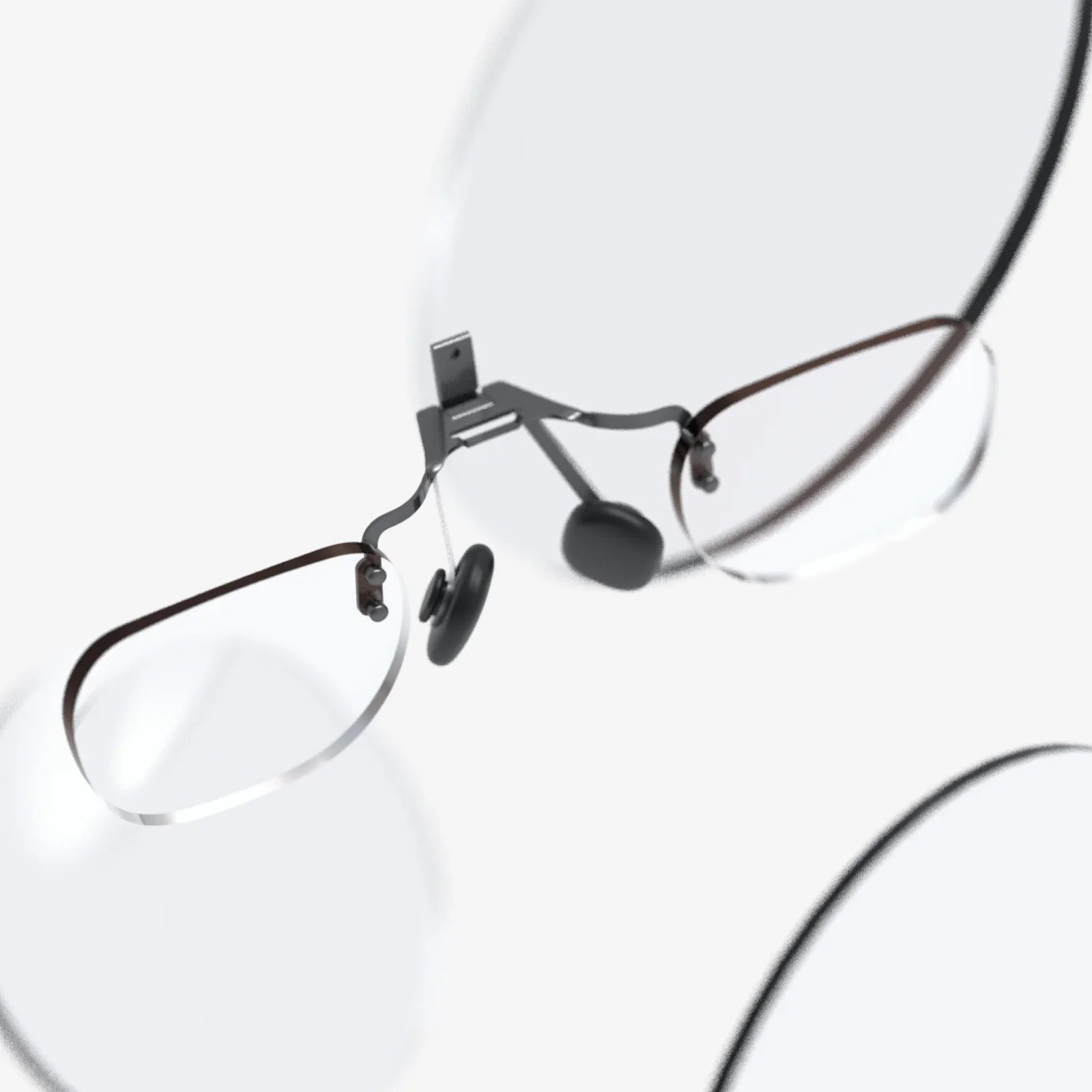
- Accessories: These can greatly enhance comfort and functionality. Common purchases include additional face gaskets for hygiene, prescription lens inserts for glasses wearers, upgraded head straps, controller grips, charging docks, and, for tethered headsets, pulley systems to manage the cable.
- The PC Itself: As mentioned, for tethered and premium headsets, the cost of a VR-ready computer is the single largest associated expense. It must have a powerful graphics card, a strong CPU, and enough USB ports to support the hardware.
Future-Proofing Your Investment: A Look Ahead
The virtual reality landscape is evolving at a breakneck pace. While today's virtual reality price range is defined by the tethered vs. standalone divide, the future is moving towards a unified experience. Advancements in wireless technology, cloud computing, and standalone processing power (driven by smartphone innovation) are blurring these lines. The next generation of headsets aims to deliver untethered freedom without compromising on the graphical prowess that currently requires a powerful PC. When considering your purchase, think about not just what you want to experience today, but what you might want tomorrow. Choosing a device with a robust ecosystem and a roadmap for software updates is key to ensuring your investment remains relevant.
The journey into virtual reality is no longer a question of if but how and at what level. From the surprisingly capable budget headsets that open the door to this new medium, to the breathtaking power of premium systems that redefine reality itself, there is a point on the virtual reality price range perfectly suited to your dreams and your wallet. The ultimate value of VR isn't found on the price tag alone, but in the unparalleled experiences it unlocks—the memories created in digital worlds, the skills learned in simulated environments, and the connections forged in shared virtual spaces. Your adventure awaits; the first step is simply choosing your path.
Share:
Challenges Faced With Virtual Reality: Navigating the Hurdles on the Path to Immersion
What Do Virtual Reality Goggles Do - A Deep Dive Into Immersive Digital Worlds