


Imagine stepping inside your latest design, walking around a full-scale model that doesn’t physically exist, and tweaking its components with a wave of your hand before a single gram of material has been used. This is no longer the stuff of science fiction but the daily reality for forward-thinking product development teams. Virtual reality has burst from the confines of entertainment to become one of the most powerful catalysts for innovation in engineering, manufacturing, and design, offering an unparalleled toolkit to visualize, iterate, and validate products in a profoundly immersive digital space. The traditional barriers of physical prototyping, geographical distance, and abstract 2D representations are crumbling, replaced by a collaborative, intuitive, and incredibly efficient virtual workflow that is fundamentally altering how we bring ideas to life.
The Core Toolkit: Hardware and Software Foundations
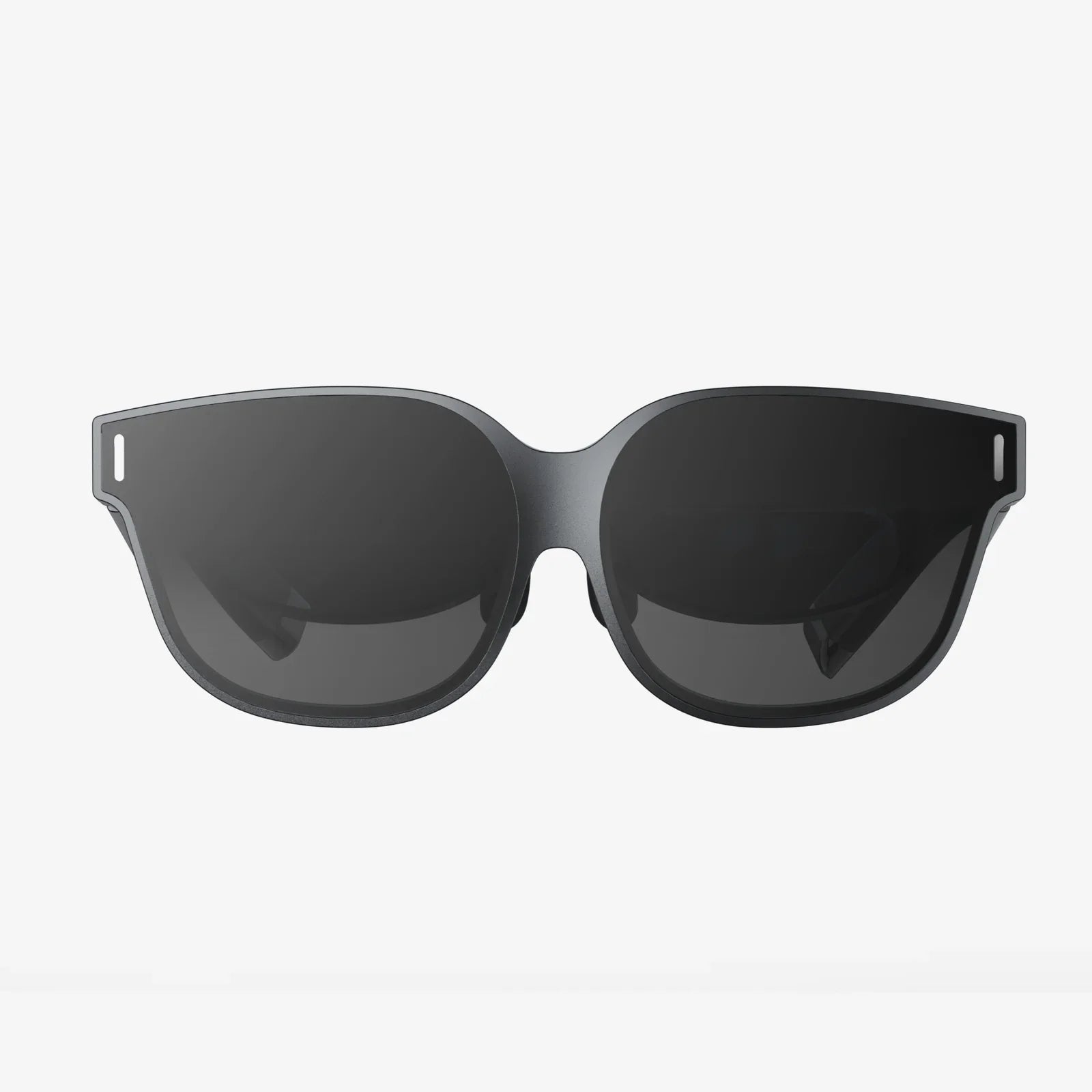
The efficacy of any virtual reality system hinges on the symbiotic relationship between its hardware and software components. On the hardware front, the landscape is dominated by head-mounted displays (HMDs), which range from powerful PC-connected units offering the highest fidelity to standalone devices prized for their accessibility and ease of use. These devices track the user's head and, often, their hand movements, translating real-world motion into the digital realm. This is frequently augmented by hand-held controllers, which act as virtual hands, tools, or pointers, enabling users to interact intuitively with the model. For the most precise applications, advanced glove-based controllers or external optical tracking systems can be employed to capture subtle finger movements or track multiple users in a large physical space, creating a truly collaborative cave automatic virtual environment (CAVE).
However, the hardware is merely a window. The true engine is the software. Modern VR platforms for product development are built upon powerful game engines, which provide the rendering muscle and physics simulations necessary to create believable, interactive worlds. The magic happens when these engines integrate seamlessly with established computer-aided design (CAD) and product lifecycle management (PLM) systems. This integration is the critical bridge, allowing engineers to import complex, native CAD assemblies directly into the virtual space without the tedious and time-consuming process of data translation and simplification that plagued early adopters. This direct pipeline ensures that the virtual prototype is a visually accurate and dimensionally perfect representation of the engineering intent, making it a reliable source for evaluation and decision-making.
Techniques in Action: From Immersive Prototyping to Digital Twins
The application of these tools manifests through a series of powerful techniques that span the entire product development lifecycle.
Immersive Prototyping and Design Reviews
This is the most direct application of the technology. Instead of reviewing a design on a flat screen or waiting weeks for a physical mock-up, teams can don headsets and congregate around a life-size 3D model. The benefits are immediate and profound. Design reviews become experiential rather than observational. Engineers can instantly identify interferences, ergonomic issues, or aesthetic flaws that would be impossible to spot on a monitor. A designer can reach out and virtually "grab" a component, reposition it, recolor it, or swap it with an alternative, all in real-time. This fosters a more intuitive and rapid iterative process, dramatically compressing the design loop and reducing the dependency on costly physical prototypes.
Human Factors and Ergonomics Analysis
VR excels in simulating the human experience within a product. By using avatars that are anthropometrically accurate, engineers can perform detailed ergonomic studies long before a physical environment exists. Can a maintenance technician comfortably reach that service panel? Does the driver of a vehicle have a clear sightline to all critical controls? Is there adequate clearance for a worker on an assembly line? These questions can be answered quantitatively and qualitatively by placing digital humans—or even real humans via motion capture—inside the virtual prototype. This technique is invaluable in industries like automotive, aerospace, and heavy machinery, where human-machine interaction is critical to safety and usability.
Collaborative Design and Remote Engineering
VR is a powerful antidote to geographical fragmentation. Experts from design, engineering, marketing, and even end-clients can meet in a shared virtual space from anywhere in the world. In this environment, they can inspect the same model simultaneously, using voice chat and virtual pointers to discuss specific features. A lead engineer in one country can guide a colleague through a complex assembly procedure; a marketing executive can provide feedback on the perceived quality of a interior material; a client can sign off on a design without needing to travel. This technique not only saves significant time and travel costs but also democratizes the review process, ensuring broader and earlier input that leads to a superior final product.
Assembly, Manufacturing, and Service Process Validation
Beyond the product itself, VR is revolutionizing the design of the processes used to build and service it. Engineers can create virtual simulations of assembly lines, factory floors, or service bays. They can then task digital workers with assembling the virtual product, installing components, or performing repair procedures. This digital process validation allows teams to identify bottlenecks, tooling conflicts, safety hazards, and training requirements long before the physical infrastructure is commissioned. It enables a philosophy of Design for Manufacturability and Assembly (DFMA) from the very beginning, ensuring the product is not only optimized for performance but also for efficient production and maintenance.
The Digital Twin: The Ultimate Expression
The most advanced technique involves the creation of a digital twin—a dynamic, virtual replica of a physical product that is connected to it via sensors and IoT data. While the physical product exists in the real world, its digital twin exists in the virtual one, mirroring its condition, performance, and environment in real-time. In product development, this allows for unparalleled predictive analysis. Engineers can subject the digital twin to extreme stress tests, simulate years of wear and tear in hours, or monitor its performance under real-world operating conditions. This creates a continuous feedback loop where data from the physical world informs the development of the next generation of products, closing the loop between design, operation, and innovation.
Overcoming Implementation Hurdles
Despite its immense potential, integrating VR into a product development workflow is not without challenges. The initial investment in high-end hardware and software licenses can be significant. There is a learning curve associated with the new tools and techniques, requiring training and a cultural shift within organizations accustomed to traditional methods. Data management remains a critical concern, as high-fidelity CAD models require substantial processing power to render in real-time at VR's high frame rates, necessitating robust computing infrastructure and efficient model optimization pipelines. Furthermore, some users may experience simulator sickness, a form of motion sickness, though this is becoming less common with improvements in hardware latency and tracking accuracy.
The Future is Immersive: Trends on the Horizon
The evolution of virtual reality in product development is accelerating. Several key trends are poised to deepen its impact. The integration of augmented reality (AR) will create hybrid workflows where digital holograms are superimposed onto physical prototypes or manufacturing environments, blending the best of both worlds. Artificial intelligence and generative design will work in concert with VR, where designers can define goals and constraints and then explore AI-generated design options in an immersive environment. Haptic feedback technology will mature, allowing users to not only see but also feel the weight, texture, and resistance of virtual components. Finally, the rise of the cloud will democratize access, allowing complex simulations to be rendered remotely and streamed to lighter, more affordable headsets, making this powerful technology accessible to teams of all sizes.
The era of designing products solely on a two-dimensional screen is rapidly drawing to a close. Virtual reality tools and techniques are providing a portal to a more intuitive, collaborative, and efficient future for product development. By enabling teams to experience and interact with their designs at a human scale, VR is not just eliminating waste and reducing time-to-market; it is fundamentally enhancing our creative capabilities. It fosters a deeper understanding of the product, its context, and its interaction with the world, ultimately leading to better, safer, and more innovative solutions. The companies that embrace this immersive paradigm today are not simply adopting a new technology—they are building the foundation for the next great leap in innovation, ensuring their next breakthrough is already taking shape in a world without limits.
Share:
Virtual Reality Headset Parts: The Intricate Anatomy of Immersive Technology
Augmented Reality Virtual Reality Headset: The Ultimate Portal to Blended Digital Worlds