


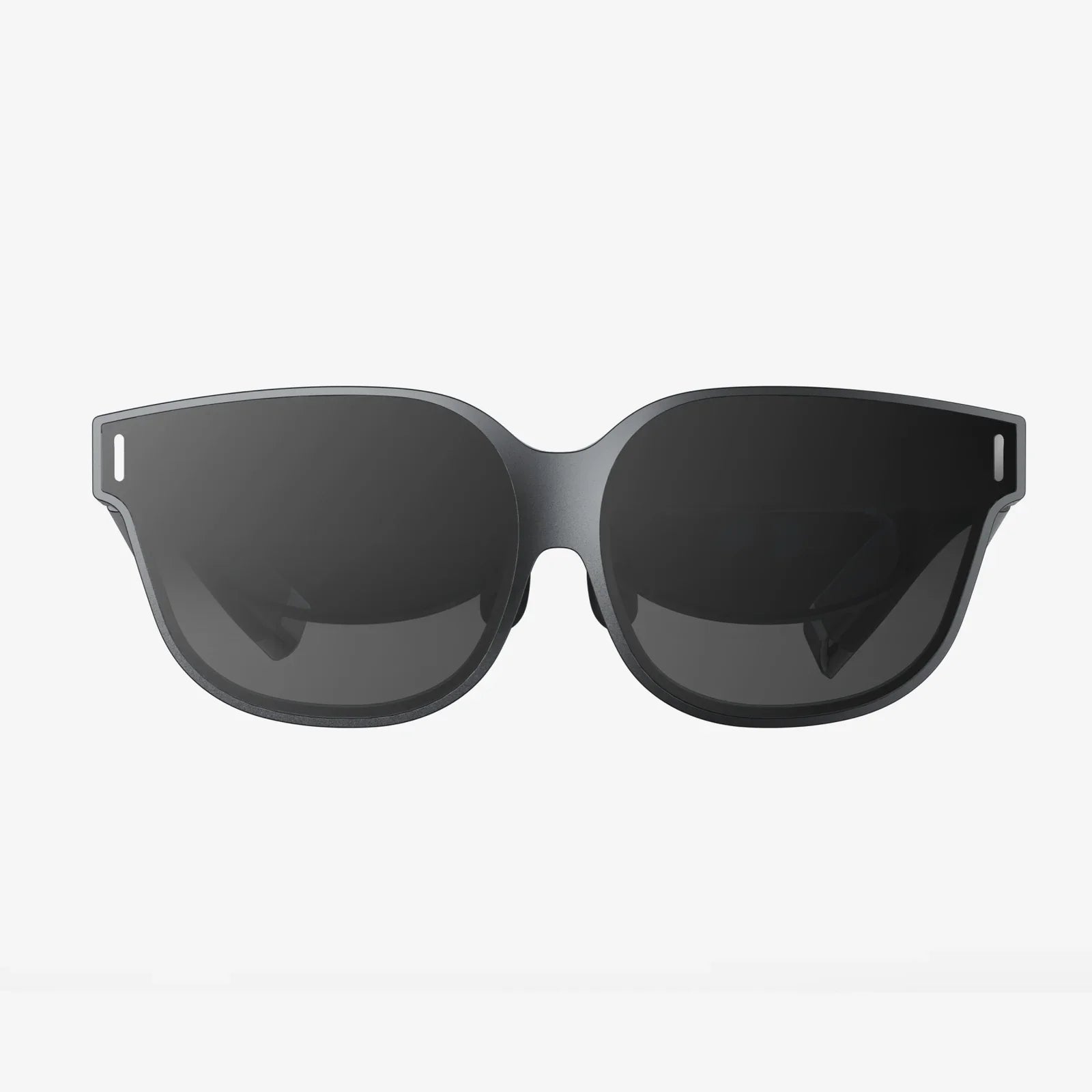
Imagine stepping through your screen, leaving the physical world behind to walk on Mars, perform life-saving surgery, or stand center stage at a concert. This is the profound promise of Virtual Reality VR, a technology that has exploded from the pages of speculative fiction into a tangible force reshaping our reality. It’s not just about gaming; it’s a portal to impossible experiences, a tool for unprecedented connection, and a catalyst for a revolution we are only beginning to understand. The door is open; all you have to do is take the first step.
The Foundational Pillars: How Virtual Reality VR Actually Works
At its core, Virtual Reality VR is an experience. It’s the creation of a simulated, digital environment that replaces the user's real-world surroundings, convincing their brain that they have been transported elsewhere. This illusion, known as presence, is the holy grail of VR and is achieved through a sophisticated interplay of hardware and software.
The Hardware: Building the Portal
The primary gateway into a virtual world is the head-mounted display (HMD). This device is far more than a screen strapped to your face; it's a sophisticated sensory hub.
- Visual Immersion: High-resolution displays are placed mere centimeters from each eye, with lenses focusing and reshaping the image for a wide field of view. A critical technology called stereoscopy presents a slightly different image to each eye, creating the powerful illusion of depth and three-dimensionality.
- Tracking: The Sense of Self: For your virtual body to move in sync with your real one, the system must track your head and, ideally, your hands. This is done through a combination of internal sensors (like gyroscopes and accelerometers) and external cameras or base stations that precisely map your position in physical space. This allows you to look around, duck, dodge, and lean within the virtual environment.
- Audio: The Forgotten Sense: True immersion is shattered by sound that doesn't match the visual. Advanced VR systems employ spatial audio, which mimics how sound waves interact with the human head and ears. A noise behind you in the virtual world will sound like it's coming from behind you, adding a breathtaking layer of realism.
- Haptics: The Feeling of Touch: The next frontier is engaging the sense of touch. Haptic feedback controllers vibrate and resist to simulate holding objects, firing a weapon, or touching a surface. More advanced prototypes include haptic gloves and full-body suits that can simulate pressure, texture, and even temperature, pushing the boundaries of presence even further.
The Software: Crafting the World
Hardware is useless without the software that builds the worlds. VR applications are built using powerful game engines, which render complex 3D environments in real-time. The key software challenge is maintaining a high, stable frame rate (typically 90 frames per second or higher). Any lag or stutter between a user's movement and the visual update can break immersion and cause discomfort or motion sickness. This relentless demand for performance has been a primary driver of innovation in graphics processing technology.
A Journey Through Time: The Evolution of Virtual Reality VR
While modern VR feels sudden, its roots are deep. The concept can be traced back to the 19th century with panoramic paintings and early flight simulators. However, the term "Virtual Reality" was popularized in the late 1980s by Jaron Lanier, whose company developed some of the first commercial goggles and datagloves. These systems were crude, incredibly expensive, and remained confined to university and military labs.
The 1990s and early 2000s saw a series of false starts and consumer flops that branded VR as a perpetual "technology of the future" that never arrived. The hardware was simply not ready. The turning point came in the 2010s with the proliferation of high-quality smartphone components—small, bright displays, accurate motion sensors, and powerful mobile processors—which provided the perfect, cost-effective foundation for a new generation of headsets. A pivotal moment was the successful Kickstarter campaign for a developer kit, which demonstrated massive public interest and paved the way for major technology companies to enter the market with serious investment. This marked the end of VR's winter and the beginning of its modern renaissance.
Transforming Industries: The Practical Power of Virtual Reality VR
Beyond the awe-inspiring games and experiences, Virtual Reality VR is proving to be a powerful practical tool, revolutionizing fields in ways previously unimaginable.
Healthcare and Medicine: Practicing on a Digital Canvas
In medicine, VR is saving lives and improving outcomes. Surgeons now use detailed VR simulations to practice complex procedures on virtual patients, allowing them to rehearse delicate operations countless times with zero risk. This is revolutionizing surgical training. Furthermore, VR is a powerful tool for therapy and rehabilitation. It is used to treat phobias through controlled exposure therapy, help stroke patients regain motor skills by engaging in virtual tasks, and manage chronic pain by redirecting the brain's attention.
Education and Training: Learning by Doing
VR transforms education from passive learning to active experience. Instead of reading about ancient Rome, students can walk its streets. Instead of watching a video about cellular biology, they can shrink down and navigate the bloodstream. This experiential learning dramatically improves retention and engagement. Similarly, industries from aviation to manufacturing use VR to train employees to operate complex machinery, respond to emergency scenarios, and practice soft skills like public speaking in a safe, repeatable, and cost-effective environment.
Enterprise and Design: Prototyping at the Speed of Thought
Architects and engineers are using VR to step inside their designs long before the first brick is laid. This allows them to assess scale, identify design flaws, and experience a building's flow in a way blueprints and 3D models on a screen could never allow. Car manufacturers design and test vehicles virtually, and global teams can collaborate within a shared virtual model of a product, regardless of their physical location, drastically reducing prototyping costs and development time.
Social Connection and Remote Work
The concept of the "metaverse"—a persistent network of shared virtual spaces—is fundamentally a social VR ambition. Platforms exist where people can gather as lifelike avatars to socialize, watch movies, play games, or conduct business meetings. This offers a sense of shared presence and embodiment that video calls lack, potentially redefining remote work and social interaction by making digital connection feel more human.
The Flip Side of the Coin: Challenges and Ethical Considerations
The ascent of Virtual Reality VR is not without significant hurdles and profound ethical questions that society must confront.
Physical and Psychological Effects
Motion sickness, often called "simulator sickness," remains a barrier for some users, caused by a mismatch between visual motion and the inner ear's sense of movement. Psychologically, the intensity of presence can be overwhelming. Experiences in VR can feel real, and a traumatic virtual event could have real psychological impacts. Furthermore, spending extensive time in idealized virtual worlds could potentially lead to neglect of the physical world and real-world relationships, a form of escapism with unknown consequences.
The Privacy Paradigm
VR headsets are arguably the most intimate data-collection devices ever made. They don't just track what you click; they track your gaze, your pupil dilation, your body language, your precise movements, and even your emotional responses. This biometric data is incredibly valuable and deeply personal. The question of who owns this data, how it is used, and how it is protected is one of the most pressing issues facing the industry.
The Reality Gap: Accessibility and the Digital Divide
High-quality VR requires powerful computing hardware, which remains a significant financial barrier. There is a real risk that the transformative benefits of VR—in education, healthcare, and social connection—could become available only to the affluent, exacerbating existing social and economic divides. Ensuring equitable access will be crucial to prevent a new "reality gap."
The Next Frontier: Where Virtual Reality VR is Headed
The current state of VR is impressive, but it is merely a stepping stone. The future points toward a seamless blending of the digital and physical. Advancements in display technology like varifocal lenses will solve eye strain, while inside-out tracking will make setup effortless. Wireless technology and cloud computing will untether users completely, allowing for unlimited freedom of movement.
The long-term trajectory points toward hyper-realistic experiences enabled by photorealistic graphics and artificial intelligence that can generate dynamic, responsive worlds. The ultimate goal is the full embodiment of the user through advanced neural interfaces and haptics, making the virtual world indistinguishable from the physical one—not just visually, but tactilely and emotionally. This path will eventually lead to the convergence of VR with its sibling technology, Augmented Reality (AR), creating a spectrum of mixed reality experiences that will overlay digital information onto our physical world, fundamentally changing how we work, learn, and interact with everything around us.
The journey into virtual worlds is no longer a solitary one confined to the realm of entertainment. Virtual Reality VR is maturing into the most transformative computing platform of the 21st century, a mirror reflecting both our greatest aspirations and our deepest fears. It holds the power to democratize experience, heal minds and bodies, and redefine human connection across any distance. The headset is not just a device; it is a lens through which we are beginning to reimagine reality itself, and the view is only getting started.
Share:
Top Virtual Reality Products: A Deep Dive into the Tech Reshaping Our World
Can Virtual Reality Make You a Better Person? Exploring the Future of Empathy and Self-Improvement