


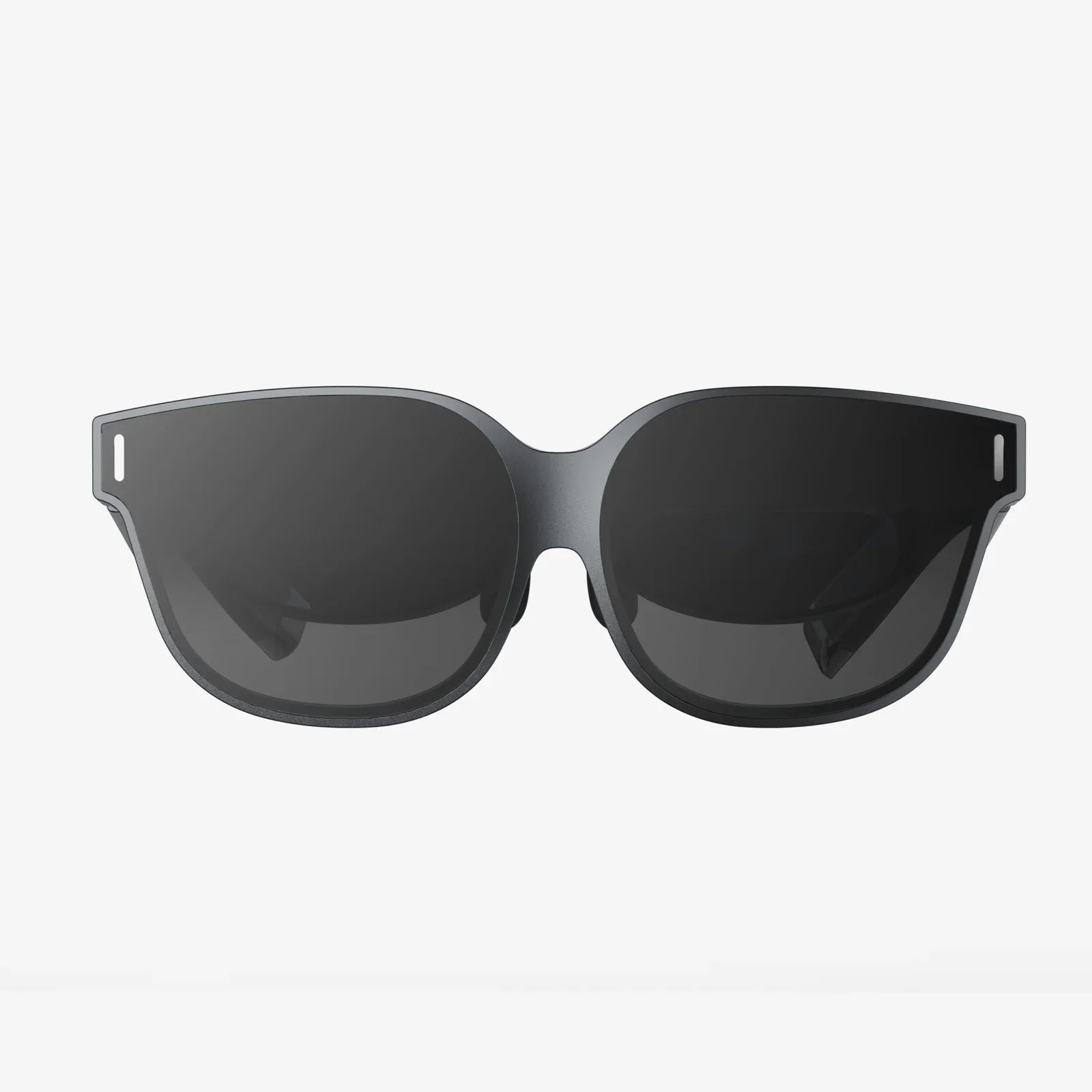
Imagine pitching your startup idea not on a static slide deck, but within a fully immersive, interactive simulation where investors can literally step inside your vision. This is no longer the stuff of science fiction; it's the emerging frontier where virtual reality and entrepreneurship collide, creating a potent new paradigm for business creation and innovation. The collision of these two powerful forces is not just changing the tools entrepreneurs use; it's fundamentally altering the very fabric of how we conceive, build, and scale businesses, promising to democratize access, accelerate development, and challenge our deepest assumptions about market presence and customer engagement.
The Immersive Sandbox: Prototyping and Ideation Reborn
For centuries, entrepreneurs have struggled with a common hurdle: translating an abstract idea from their mind's eye into a tangible concept that teammates, investors, and customers can understand and believe in. Sketches on napkins, crude prototypes, and computer-aided design (CAD) models have served as bridges across this communication gap. Virtual reality shatters these limitations, offering an unparalleled sandbox for ideation. An entrepreneur can now build a photorealistic, scalable 3D model of a product, a architectural layout for a retail space, or a complex data visualization, and then inhabit it. This immersive prototyping allows for rapid iteration at a fraction of the traditional cost. Instead of commissioning expensive physical models, founders can don a headset and manipulate their design in real-time, identifying ergonomic flaws, spatial inefficiencies, or aesthetic missteps long before a single dollar is spent on manufacturing. This process, often called 'embodied design,' engages spatial reasoning on a primal level, unlocking creative solutions that might never emerge from a flat screen.
Democratizing Access and Building Global Teams
Entrepreneurship has historically been constrained by geography. Access to top-tier talent, mentors, and investors was often concentrated in specific hubs. Virtual reality promises to flatten this landscape dramatically. Through social VR platforms and metaverse workspaces, a startup founder in a rural town can host a team meeting with a developer in Berlin, a designer in Seoul, and a marketing expert in São Paulo—all within a shared virtual office. They can stand around a virtual whiteboard, examine 3D models together, and communicate with the nuance of avatars and spatial audio, which fosters a sense of presence and collaboration far beyond what video conferencing can offer. This dismantles traditional barriers to entry, empowering a new, globally distributed generation of entrepreneurs who can build and compete without the need for physical relocation or exorbitant overheads. It allows for the formation of agile, talent-based teams rather than location-based ones, tapping into the global brain trust with unprecedented ease.
The Virtual Storefront and Experiential Commerce
The realm of customer engagement and retail is undergoing a revolution at the hands of VR. For entrepreneurial ventures, especially in retail, real estate, travel, and design, the ability to create a virtual storefront or showroom is a game-changer. The cost of securing a prime physical retail location is prohibitive for most new businesses. A virtual location, however, is infinitely scalable and accessible to anyone with an internet connection. An entrepreneur can craft an unforgettable branded experience: a customer can try on clothing via a photorealistic avatar, test-drive a car configurable with a glance, or take a guided tour of a vacation rental property halfway across the world. This shifts the sales pitch from description to experience. Entrepreneurship is no longer just about selling a product or service; it's about selling an immersive, memorable experience that forges a deeper emotional connection with the brand, creating loyalty and value that transcends a simple transaction.
The Pitch of the Future: Securing Investment in the Metaverse
The investor pitch is a cornerstone of entrepreneurial life, a make-or-break moment that hinges on persuasion and vision. Virtual reality provides the ultimate tool for this task. Instead of presenting charts and graphs, an entrepreneur can transport a venture capitalist into the heart of their operation. Imagine a biotech startup pitching a new surgical device: an investor could observe a simulation of the device in action within a virtual human body. An architecture firm could walk investors through an unbuilt skyscraper. This experiential pitch is infinitely more powerful than a PowerPoint deck because it allows the investor to not just hear about the vision, but to see, feel, and believe in it. It demonstrates technical competency, a forward-thinking mindset, and a deep commitment to the idea, setting the venture apart in a crowded investment landscape.
Navigating the Chasm: The Very Real Challenges of a Virtual Venture
For all its promise, the marriage of virtual reality and entrepreneurship is not without significant challenges. The technological barrier, while lowering, still exists. High-quality VR development requires specialized skills in 3D modeling, game engine programming, and user experience design—a skillset that is different from traditional web or app development. There are also substantial costs associated with creating high-fidelity, compelling content that isn't prone to inducing motion sickness or user frustration. Furthermore, the market itself is still in its early adopter phase. While growing rapidly, the total addressable market of consumers with access and comfort using VR technology is smaller than that for mobile or web. Entrepreneurs must carefully weigh the immense potential against the current realities of development cost, user acquisition, and technological adoption curves. There is a real risk of building a breathtaking solution for a audience that is not yet fully there.
The Ethical and Psychological Dimensions
Venturing into this new realm also forces entrepreneurs to confront novel ethical questions. Data privacy takes on a new dimension in VR, where companies can potentially track user movement, gaze, biometric responses, and emotional reactions within a virtual space with frightening intimacy. Establishing ethical guidelines for this type of data collection is paramount. There are also psychological considerations. Designing immersive experiences that are addictive or psychologically manipulative is a real danger. The entrepreneurial responsibility extends beyond building a viable business to ensuring that these new virtual environments are designed with user well-being, inclusivity, and safety as core principles, not afterthoughts. This requires a thoughtful approach that many fast-moving startups may be tempted to overlook in the race to market.
Skill Sets for the New Frontier
This new paradigm demands a new breed of entrepreneur. Success will require a hybrid skillset that merges traditional business acumen with technological literacy in immersive media. Founders will need to understand the principles of spatial design, the psychology of presence, and the mechanics of building comfortable and intuitive virtual interactions. The ability to tell a story in three dimensions, to build worlds that captivate and engage, will become as valuable as the ability to craft a business plan. This doesn't mean every entrepreneur needs to become a master programmer, but they must possess the vision to lead multidisciplinary teams that can blend code, design, and narrative into a coherent and viable business experience.
A Convergence, Not a Conflict
The relationship between virtual reality and entrepreneurship is not a versus scenario but a powerful convergence. VR is not replacing the core tenets of entrepreneurship—identifying a problem, developing a solution, finding a market, and building a sustainable business. Instead, it is providing a new set of immensely powerful tools to execute on these tenets more effectively, more creatively, and on a larger scale than ever before. It amplifies the entrepreneur's ability to innovate, communicate, and connect.
The most successful ventures of the next decade will likely be those that see VR not as a gimmick but as an integral layer of their business strategy—a tool for remote collaboration, a platform for customer experience, and a canvas for prototyping the future. They will be built by leaders who are as comfortable architecting a virtual world as they are analyzing a profit-and-loss statement. The door to this new dimension is now open, offering a blank slate of infinite possibility. The only question that remains is not if this technology will reshape business, but which visionary entrepreneurs will be the first to fully step through and claim its vast potential for building the next world, and in doing so, redefine our own.
Share:
Why Virtual Reality Technology is the Next Frontier in Human Experience
Virtual Reality Positive Impacts: Reshaping Industries and Human Experience