


Imagine an office without walls, a conference room that fits in your pocket, and a watercooler conversation that spans continents. This isn't a glimpse into a distant sci-fi future; it's the reality being built today by virtual workspace platforms, the most significant shift in the world of work since the invention of the internet itself. These dynamic digital environments are rapidly moving from a niche solution to a mainstream necessity, promising to untether productivity from physical location and redefine the very essence of collaboration. The question is no longer if your organization will adopt this technology, but how quickly you can adapt to harness its transformative potential.
The Genesis of a Digital Revolution: From Tools to Ecosystems
The journey to the modern virtual workspace is a story of convergence. For decades, digital collaboration was a fragmented experience. We had email for asynchronous communication, instant messaging for quick questions, and separate applications for video calls, file sharing, and project management. This patchwork of tools, while innovative in their own right, created digital friction. Constant context-switching, information silos, and notification fatigue became the unintended consequences of our quest for connectivity.
The concept of a unified platform began to emerge, seeking to integrate these disparate functions into a cohesive whole. Early iterations were often clunky and offered limited functionality. However, they planted the seed for a more holistic approach. The catalyst for explosive growth was, undoubtedly, a global shift to remote and hybrid work models. Suddenly, the need for a virtual headquarters—a digital place that could replicate and even enhance the interactivity of a physical office—became urgent and universal. This demand accelerated innovation at a breakneck pace, pushing developers to move beyond simple video conferencing and create rich, persistent, and immersive digital environments.
More Than Just Video Calls: Deconstructing the Core Pillars
To understand the power of virtual workspace platforms, one must look beyond the surface. They are not merely a single tool but an integrated ecosystem built on several foundational pillars.
Persistent Digital Headquarters
Unlike a video call that ends when the last person logs off, a virtual workspace often exists as a persistent environment. It's a always-on digital office that team members can enter and exit at will. This space typically features customizable areas for different teams, projects, or functions—a dedicated room
for the engineering team, a lounge
for casual chats, a library
for shared resources. This persistence creates a sense of place and continuity that is often missing in a fully remote setting.
Integrated Communication Suite
Seamless communication is the lifeblood of these platforms. They successfully weave together multiple modalities:
- High-Fidelity Video Conferencing: The essential face-to-face interaction, often with advanced features like noise suppression and background blur.
- Spatial Audio: A game-changing feature that makes audio sound like it's coming from the direction of the person's avatar on the screen, allowing for natural, overlapping conversations that mimic real life.
- Instant Messaging and Chat: For quick, asynchronous updates and questions, integrated directly into the workspace context.
- Async Video and Audio Notes: The ability to leave short, personal updates for colleagues without scheduling a meeting.
Collaborative Canvas and Tool Integration
The true magic happens in the ability to do work within the platform. This involves interactive whiteboards for brainstorming, shared document editing in real-time, and the ability to embed and interact with a wide array of third-party applications directly within the workspace. This eliminates the need to share screens and constantly ask, Can you see this?
Everyone is literally on the same page.
Embodiment through Avatars and Presence Indicators
To combat the isolation of a grid of faces, many platforms incorporate avatars—digital representations of users. These can range from simple photos and icons to detailed 3D models. Coupled with clear presence indicators (showing if someone is available, in a deep work session, or away), avatars restore non-verbal cues and a sense of shared presence, making the digital space feel more human and inhabited.
The Unmistakable Advantages: Why the Shift is Accelerating
The adoption of virtual workspace platforms is driven by a compelling value proposition that delivers tangible benefits to organizations and employees alike.
Democratizing Access to Global Talent
Geography is no longer a constraint. Companies can hire the best person for the job, regardless of their zip code. This opens up incredible opportunities for businesses to access specialized skills and for individuals to pursue fulfilling careers without relocating. It fosters incredibly diverse teams, bringing together a wider range of perspectives and ideas.
Supercharging Collaboration and Serendipity
These platforms are engineered to facilitate both structured and unstructured collaboration. Scheduled meetings become more productive with integrated tools, but the real win is in recapturing the magic
of the office: the chance hallway encounter, the quick whiteboard session, the overheard conversation that leads to a breakthrough. Features like virtual co-working
rooms where people can work independently but together, or the ability to pop by
a colleague's digital desk, recreate these moments of serendipitous innovation.
Enhancing Operational Resilience and Reducing Overhead
A distributed workforce, supported by a robust virtual workspace, is inherently more resilient to disruptions—be they local weather events, public health concerns, or transit strikes. Furthermore, organizations can significantly reduce their physical real estate footprint and associated costs, reallocating those resources toward growth, technology, and employee benefits.
Improving Employee Well-being and Autonomy
By enabling flexible work arrangements, these platforms contribute to a better work-life balance. The elimination of draining commutes and the ability to design a personalized work environment can lead to reduced stress and higher job satisfaction. When implemented correctly, they empower employees with greater autonomy over their time and work style, which is a powerful driver of engagement and retention.
Navigating the Challenges: The Human and Technical Hurdles
For all their promise, the path to a fully realized virtual workspace is not without its obstacles. Acknowledging and addressing these challenges is critical for successful implementation.
Combating Digital Fatigue and the Always-On Culture
The same always-available nature that provides flexibility can also blur the boundaries between work and home life. The phenomenon of Zoom fatigue
is real, stemming from the intense cognitive load of video calls. There is a risk of creating an always-on
surveillance culture if presence indicators are misused. Organizations must establish clear digital hygiene protocols, encourage breaks, and champion a culture that respects focus time and offline periods.
Ensuring Equity and Inclusion
The virtual room can unintentionally amplify existing inequalities. Employees with poor internet connectivity, inadequate home office setups, or caretaking responsibilities may struggle to participate fully. Extroverted individuals may naturally dominate conversations, while introverts may find it harder to interject. Leaders must be proactive in creating inclusive meeting practices, providing stipends for home office equipment, and ensuring every voice has a channel to be heard.
Overcoming Technical Barriers and Security Concerns
A seamless experience requires robust and equitable internet access for all participants. IT departments face the complex task of integrating these new platforms with legacy systems while maintaining ironclad security. Protecting sensitive intellectual property and communication within a virtual environment is paramount, requiring advanced encryption, access controls, and vigilant cybersecurity protocols.
The Onboarding and Culture Question
A platform is only as good as its adoption. Without proper training and change management, teams will revert to old, familiar tools. The biggest challenge is often cultural, not technical: building trust, fostering spontaneous connections, and maintaining a strong company culture without the benefit of shared physical experiences. This requires intentional effort, new rituals, and leadership that is fully committed to the model.
On the Horizon: The Next Frontier of Virtual Workspaces
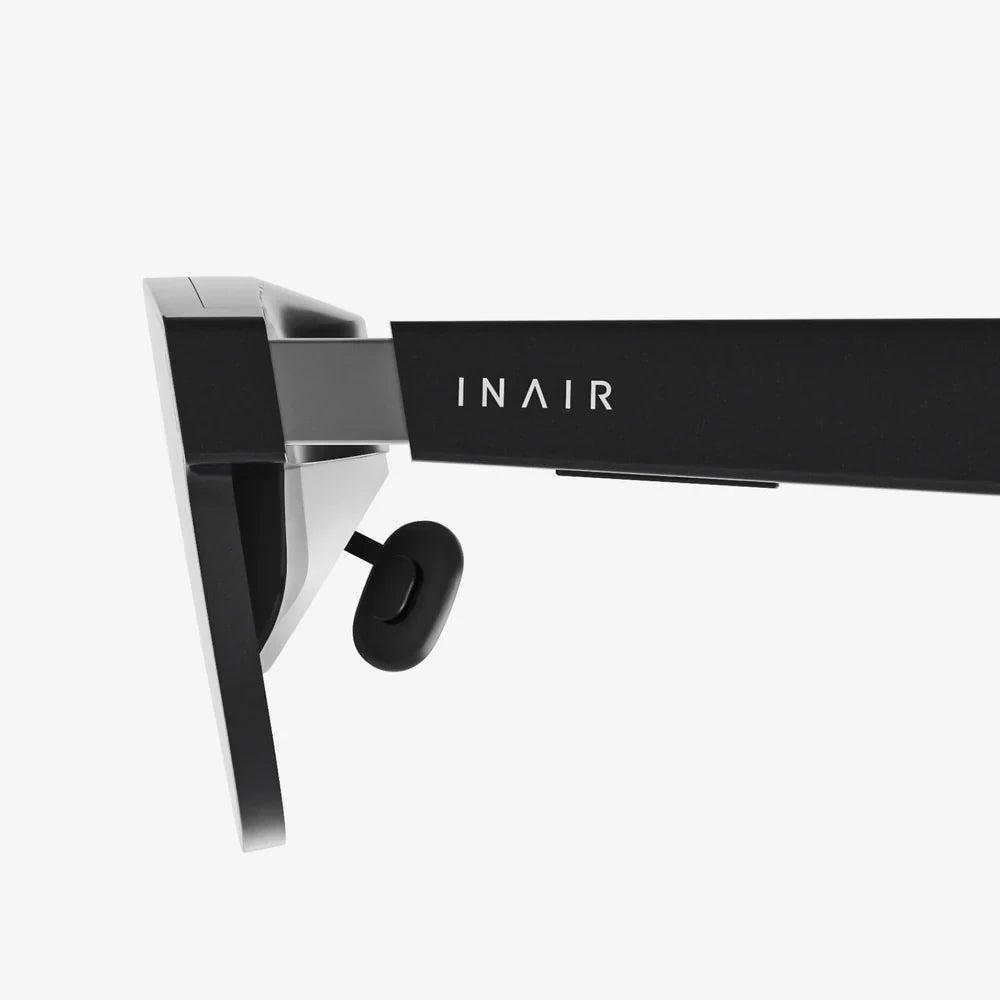
The technology continues to evolve at a staggering rate. The next wave of innovation is poised to make today's platforms seem primitive. We are moving towards increasingly immersive experiences powered by Virtual and Augmented Reality (VR/AR). Imagine putting on a headset and stepping into a photorealistic virtual boardroom with colleagues from around the world, able to make eye contact and read body language as if you were in the same room.
Artificial Intelligence (AI) will become the ultimate productivity co-pilot within these spaces. AI could provide real-time meeting transcription and translation, automatically generate summaries and action items, surface relevant documents during a discussion, or even manage scheduling and follow-ups. Furthermore, the concept of the metaverse—a network of interconnected, persistent virtual worlds—suggests a future where our virtual workspace is just one stop in a broader digital universe used for work, learning, and socializing.
The trajectory is clear: virtual workspace platforms are evolving from a simple utility into a sophisticated digital-physical hybrid reality. They are becoming the foundational layer for a new era of human collaboration, one that prioritizes flexibility, connection, and results over physical presence. The organizations that will thrive in the coming decade are those that learn to build, navigate, and lead within these new digital frontiers, turning the challenges of today into the competitive advantages of tomorrow.
The office of the future won't be defined by a downtown address or a sleek architectural design; it will be defined by the quality of its digital connection, the intentionality of its culture, and its ability to empower human potential from anywhere on Earth. The tools are already here, waiting to be mastered. The next chapter of work is being written not on paper, but in code, and it promises to be the most inclusive, flexible, and dynamic chapter yet.
Share:
Virtual Full Screen Mode: The Ultimate Guide to Unlocking Uninterrupted Digital Immersion
Mixed Reality VR Headset: The Ultimate Portal to Blending Realities