


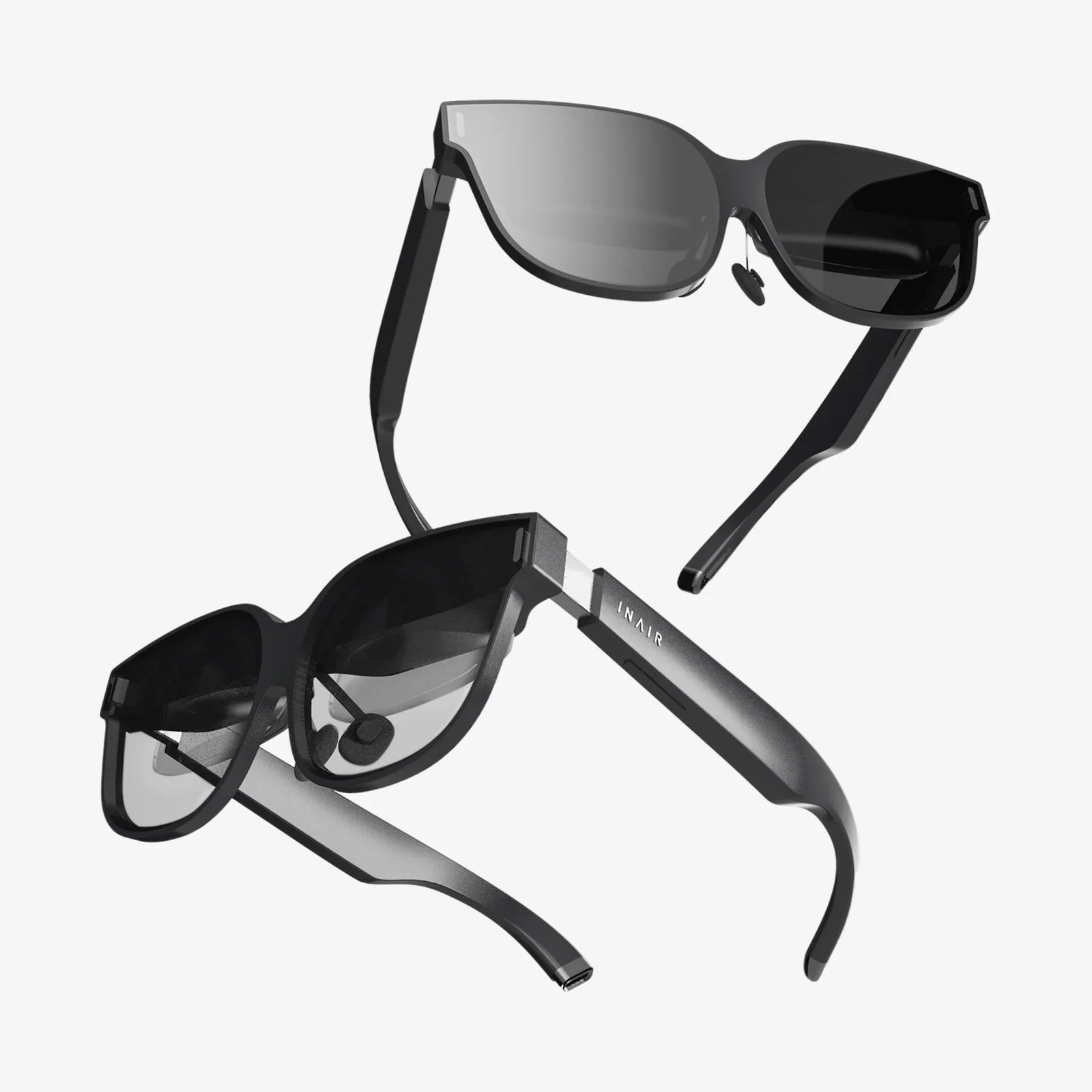
You’ve just finished the final boss battle of a marathon gaming session. Your eyes feel gritty, your head is pounding, and the world seems slightly out of focus. You chalk it up to fatigue, but the real culprit is the intense, relentless visual demand you’ve just placed on your most critical gaming assets: your eyes. What if there was a piece of gear, not to make your character faster or stronger, but to make you a sharper, more comfortable, and more resilient player? Enter the world of vision gaming glasses, a category of eyewear engineered not for style, but for serious visual performance.
The Unseen Adversary: Understanding Digital Eye Strain
Before we can appreciate the solution, we must understand the problem. Gamers are elite visual athletes, processing immense amounts of information at incredible speeds. This comes at a cost known as Digital Eye Strain (DES) or Computer Vision Syndrome. It’s not a myth; it’s a well-documented physiological response to prolonged digital screen exposure.
The primary offenders are high-energy visible (HEV) blue light and screen glare. Modern displays, especially high-refresh-rate gaming monitors, emit significant amounts of blue light. While some blue light is natural (from the sun), prolonged, close-range exposure from screens can penetrate deep into the eye. This is believed to contribute to:
- Visual Discomfort: The eyes must work harder to maintain focus on pixels, which lack the defined edges of printed text.
- Sleep Cycle Disruption: Blue light exposure, particularly in evening sessions, can suppress the production of melatonin, the hormone responsible for regulating sleep. This can lead to poor sleep quality, hindering recovery and cognitive function.
- Glare and Reflections: Ambient light bouncing off the screen creates glare, forcing the eye muscles to constantly adjust, leading to fatigue and headaches.
These factors combine to create symptoms like dry eyes, blurred vision, difficulty focusing, neck and shoulder pain, and those infamous post-session headaches. This isn't just about comfort; it's a direct impediment to performance. A tired, strained gamer is a slower-reacting, less accurate gamer.
More Than Blue Light: The Core Technologies Explained
While often synonymous with "blue light blocking," true vision gaming glasses incorporate a suite of technologies working in concert. It's a holistic approach to visual enhancement.
The Precision of Blue Light Filtration
Not all blue light is bad. The beneficial blue-turquoise light is essential for color perception and mood regulation. The challenge is filtering out the harmful blue-violet light while allowing the good light to pass through. High-quality gaming lenses use precise spectral filtering technology. They don’t just tint the world orange; they target a specific, narrow band of the light spectrum. This selective filtration:
- Reduces the amount of harmful blue light reaching the retina.
- Minimizes color distortion, which is critical for games where color accuracy is key (e.g., distinguishing enemy outlines, status effects, or map details).
- Enhances contrast, making objects on screen appear sharper and more defined against their backgrounds.
The Clarity of Anti-Reflective Coating
An often-overlooked but vital feature is a premium anti-reflective (AR) coating applied to both the front and back of the lenses. This coating serves a dual purpose:
- It eliminates reflections from lights behind you, preventing them from obscuring your view of the screen.
- It minimizes internal reflections within the lens itself, ensuring maximum light transmission and visual clarity.
Think of it as removing a layer of visual noise, allowing you to see the game world with pristine clarity, free from distracting glares and halos.
The Advantage of a Subtle Tint
Many gaming glasses feature a very subtle yellow or amber tint. This is not a gimmick. This tint amplifies the contrast enhancement provided by the blue light filtration. By blocking the blue-violet end of the spectrum, the warmer wavelengths become more prominent. This makes darker areas appear darker and brighter objects pop, potentially making it easier to spot an enemy lurking in the shadows of a game map. It’s a subtle visual cue that can provide a tangible edge.
The Performance Edge: From Comfort to Competitive Advantage
The benefits of gaming glasses translate directly into measurable performance improvements. This is where they shift from a comfort product to a performance tool.
- Extended Endurance: By significantly reducing eye strain and fatigue, gamers can maintain peak visual acuity for longer periods. This is crucial during long tournaments or grinding sessions where a decline in focus can mean the difference between victory and defeat.
- Enhanced Visual Processing: With reduced glare and enhanced contrast, visual information is delivered to your brain more cleanly and efficiently. This can lead to slightly faster reaction times and improved target acquisition, as your brain spends less energy deciphering visual noise.
- Improved Post-Session Recovery: By mitigating blue light’s impact on melatonin, wearing gaming glasses during evening play can help you fall asleep faster and achieve more restful sleep. Quality sleep is the ultimate performance enhancer, crucial for memory consolidation, reaction time, and overall cognitive function.
It’s important to frame this correctly: gaming glasses won’t instantly add 100 points to your rank. Instead, they optimize your own innate abilities by removing a barrier to performance—visual fatigue.
Dispelling Myths and Setting Realistic Expectations
As with any niche product, misconceptions abound. Let’s separate fact from fiction.
Myth 1: "They are just yellow-tinted safety glasses."
While cheap imitations exist, true gaming glasses are engineered with specific optical-grade materials and precise coatings. The difference in clarity, color accuracy, and build quality is night and day.
Myth 2: "They will fix all my vision problems."
Gaming glasses are not a substitute for prescription eyewear. They are designed for people with normally correctable vision to use during screen time. For those who need vision correction, prescription versions are absolutely essential.
Myth 3: "The effect is just a placebo."
While believing in your gear has value, the science behind blue light filtration and glare reduction is well-established in optometry. The reduction in physical symptoms like dry eyes and headaches is very real and measurable for most users.
Setting Expectations: The experience is subtle but significant. You won’t put them on and see a new HUD overlay. Instead, after a few hours, you’ll realize your eyes don’t feel tired. After a late-night session, you might find it easier to wind down. The benefit is often noticed in the absence of discomfort rather than a dramatic visual transformation.
Choosing Your Pair: A Gamer's Guide to Selection
Not all glasses are created equal. Here’s what to look for when selecting your pair:
- Lens Quality is Paramount: Prioritize lenses with precise blue light filtering (look for technical specs on the percentage filtered) and a high-quality anti-reflective coating. This is the core of the technology.
- Fit and Comfort: You’ll be wearing these for hours. Look for a secure but comfortable fit, lightweight materials, and flexible hinges. Adjustable nose pads can help achieve a perfect fit for different face shapes.
- Style and Coverage: Wraparound styles offer better peripheral vision and block more ambient light from the sides. Choose a style you feel comfortable wearing; after all, they are part of your streaming setup or battlestation aesthetic.
- Prescription Compatibility: If you wear corrective lenses, this is non-negotiable. Using non-prescription gaming glasses over your regular glasses is ineffective and uncomfortable. Invest in a custom-prescribed pair.
Integrating Gaming Glasses into Your Healthy Play regimen
Vision gaming glasses are a powerful tool, but they are not a silver bullet. They work best as part of a broader strategy for healthy gaming:
- The 20-20-20 Rule: Every 20 minutes, look at something 20 feet away for at least 20 seconds. This simple habit gives your focusing muscles a critical break.
- Optimize Your Environment: Ensure your room is well-lit with ambient, indirect light to reduce the contrast between your bright screen and a dark room.
- Monitor Settings: Adjust your monitor’s brightness to match the ambient light, enable night mode settings in the evening, and increase text size where possible.
- Blink Consciously: We blink less when staring at screens, leading to dry eyes. Make a conscious effort to blink fully and regularly.
Think of gaming glasses as the cornerstone of this regimen—they provide constant protection, while these habits offer periodic relief.
Imagine starting your next gaming session not with a hope to win, but with the confidence that your eyes are already on your side. The screen is clearer, the colors are sharper, and the distracting glare from your room lamp is gone. Hours later, as you secure that final victory, you realize the usual headache and eye dryness never arrived. You’re ready to keep playing, or you can simply walk away feeling clear-headed and ready to rest. This is the silent, profound advantage offered by vision gaming glasses—they don’t change the game on the screen; they upgrade the player behind the screen, ensuring you see every detail, react a split-second faster, and play longer in absolute comfort. The best upgrade you can make might not be to your rig, but to your own vision.
Share:
Are AI Glasses Worth It? An In-Depth Look at the Future on Your Face
VR Glasses Company: The Architects of New Realities and the Future They Are Building