


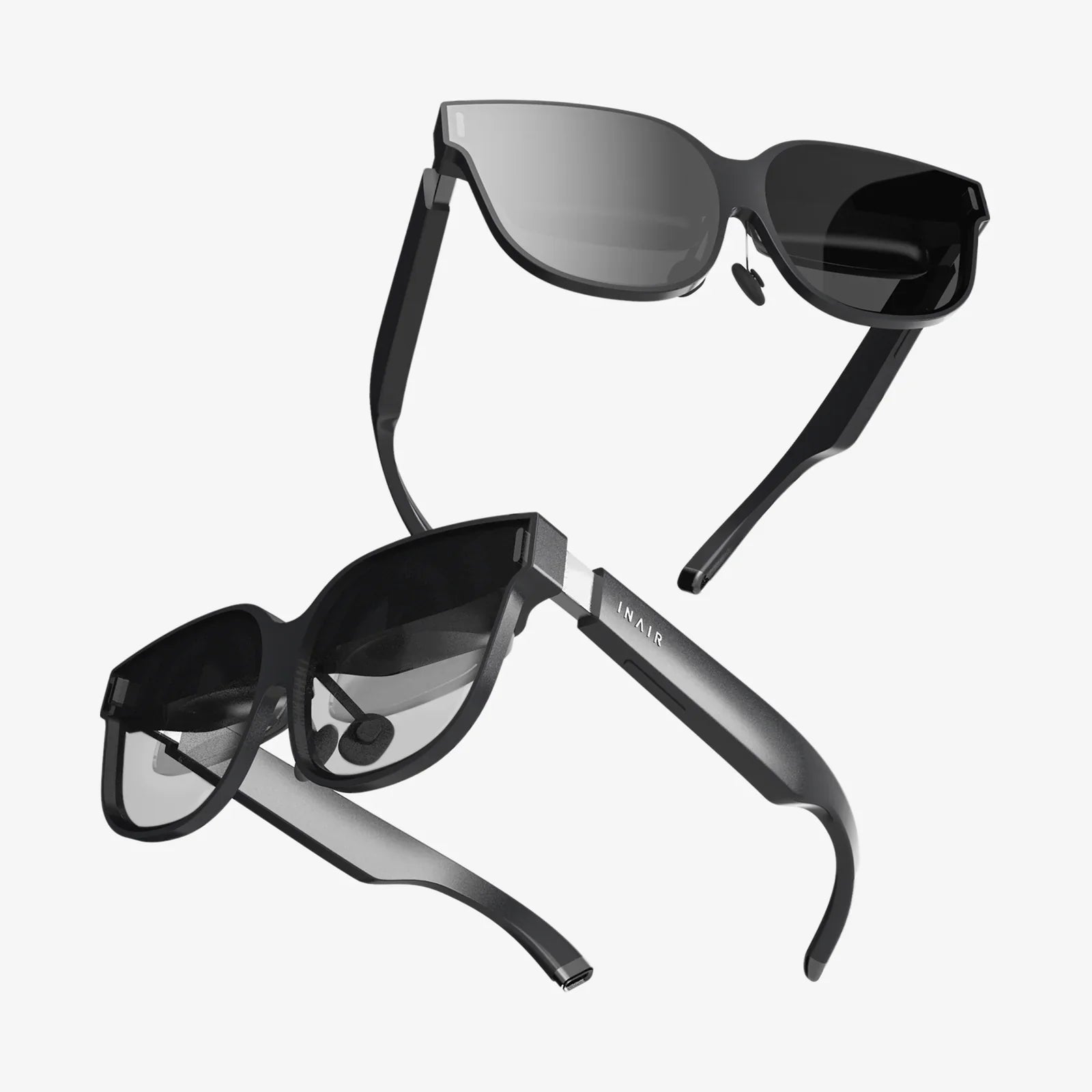
Imagine strapping on a headset and instantly being transported to a different reality—scaling Everest, exploring the depths of the ocean, or battling aliens on a distant planet. This is no longer the stuff of science fiction; it's the accessible, breathtaking reality offered by modern virtual reality. And the single best way to step into this new dimension isn't by piecing together complex components, but by choosing the perfect VR bundle. This all-in-one package is your golden ticket, designed to eliminate guesswork and deliver a seamless, immersive experience from the moment you open the box. The journey of a thousand virtual miles begins with a single, smart purchase.
Decoding the VR Bundle: More Than Just a Box
At its core, a VR bundle is a curated package that contains all the essential hardware required to dive into virtual worlds. It's the antithesis of a la carte purchasing, which can often lead to compatibility headaches, hidden costs, and a frustrating setup process. A well-designed bundle is a cohesive ecosystem, where every component is specifically chosen to work in perfect harmony.
The absolute cornerstone of any bundle is the headset itself. This is your window into virtual reality, housing the high-resolution displays, sophisticated lenses, and precise tracking sensors that make immersion possible. The quality of the headset dictates the visual fidelity, comfort, and overall potential of your experience.
But a headset alone is useless without a means to interact. This is where the controllers come in. Modern motion controllers are engineering marvels, capable of tracking the subtle movements of your hands and fingers, translating your real-world actions into the virtual space. They are your virtual hands, and their design, ergonomics, and precision are paramount to feeling truly present.
Beyond these two pillars, bundles often include critical, yet easily overlooked, components. These can range from necessary cables and power adapters to hygienic accessories like removable interface spacers. Some higher-end bundles also incorporate advanced tracking stations. These external sensors are placed around your play area to create a precise coordinate system, allowing for incredibly accurate full-room-scale movement where you can literally walk around your virtual environment. The inclusion or exclusion of these base stations often defines the tier of the bundle.
A Buyer's Guide: Choosing the VR Bundle That's Right for You
Not all VR bundles are created equal, and the "best" one is entirely subjective, depending on your needs, budget, and existing hardware. Navigating the options requires asking a few key questions.
Platform and Power: The Great Divide
The first and most significant decision point is the platform. The market is broadly split into two camps: tethered and standalone.
Standalone VR Bundles: These are all-in-one systems. The computing power is built directly into the headset, meaning there are no wires connecting you to a separate computer. The bundle will include the headset, controllers, and everything you need to start playing immediately. The major advantage here is incredible ease of use and complete freedom of movement. You are utterly untethered. The trade-off is that the graphical processing power is contained within the headset, which, while impressive, cannot compete with the raw power of a high-end gaming computer. These bundles are perfect for newcomers, families, or anyone who values simplicity and wireless freedom above ultra-realistic graphics.
Tethered (PC-Powered) VR Bundles: These bundles connect via a high-speed cable to a powerful desktop computer, which acts as the engine for the experience. The headset in this case is primarily a display and tracking device. The result is a massive leap in visual quality, complexity, and performance. The worlds you explore are more detailed, the textures are richer, and the simulations can be far more complex. This path is for the enthusiast, the hardcore gamer, and the professional user who demands the highest fidelity. The obvious cons are the physical tether (which can be managed with aftermarket solutions) and the prerequisite of owning a sufficiently powerful computer, which represents a significant additional investment.
Setting Your Reality Budget
Your budget will naturally steer your choice. VR bundles range from very affordable entry-point options to high-end, premium packages.
- Entry-Level: These are typically standalone bundles focused on casual gaming, social experiences, and media consumption. They offer a fantastic introduction to VR without breaking the bank.
- Mid-Range: This category often includes more advanced standalone devices with better displays, processors, and comfort features. It may also include entry-level tethered bundles.
- High-End/Enthusiast: This is the domain of tethered PCVR. These bundles represent the cutting edge, featuring the highest-resolution displays, wide field-of-view lenses, advanced controllers, and external tracking for unparalleled accuracy. The cost reflects this premium experience.
Comfort is King
You can have the most technologically advanced headset in the world, but if it's uncomfortable to wear, you'll never use it. Consider the weight distribution, the quality of the head strap (elite-style straps are often a worthwhile upgrade), and the material of the facial interface. If you wear glasses, look for bundles that include or offer a prescription lens insert option or have enough space to accommodate your frames comfortably.
The Content Ecosystem
A VR headset is a portal, but the experiences are what you're really buying into. Research the digital storefront associated with the bundle. Does it have a robust library with the games and apps you're excited about? Is there a healthy mix of exclusive titles, indie gems, and social platforms? Some ecosystems are more open than others, allowing you to access content from multiple stores, while others are more walled gardens. Ensure the virtual world you want to enter is available on the platform you choose.
Unboxing and Setting Up Your New Universe
The arrival of your VR bundle is an event in itself. The unboxing experience is typically designed to be intuitive and exciting. Once you've laid out all the components, the setup process generally follows these steps:
- Charge Up: Before anything else, connect the controllers and headset to power to ensure they have a full charge.
- Software Installation: For standalone units, you'll simply power on and follow the on-screen instructions to connect to Wi-Fi and log into or create an account. For tethered headsets, you will need to install companion software on your PC to facilitate the connection.
- Guardian/Boundary Setup: This is the most important step for safety. You will use your controller to trace the outline of your play area. The system will then generate a virtual wall (the Guardian boundary) that becomes visible whenever you get too close to the real-world limits of your space, preventing you from bumping into walls or furniture.
- The system will guide you through pairing the controllers and ensuring they are tracked correctly.
- Optical Adjustment: Take the time to adjust the IPD (Interpupillary Distance)—the distance between the lenses—to match the distance between your eyes. This is crucial for achieving a clear, comfortable image and preventing eye strain.
Beyond the Game: The Expansive World of VR Experiences
While gaming is the most famous application, a VR bundle unlocks a universe of possibilities that extend far beyond the controller.
Fitness and Wellness: VR has exploded as a legitimate fitness platform. Dedicated apps offer intense cardio workouts, rhythm-based boxing, guided meditation in serene environments, and even yoga classes on virtual beaches. It’s exercise disguised as fun, making it easier than ever to break a sweat.
Social Connection: Platforms exist as vast, virtual social spaces where you can meet friends, attend live events and concerts, watch movies together in a private theater, or simply hang out. Your avatar becomes your representation, and the sense of shared presence is profound, making distances feel meaningless.
Travel and Exploration: Strap on your headset and take a guided tour of the Roman Colosseum, walk the streets of ancient cities, or stand on the surface of Mars. Educational and travel experiences allow for immersive learning and exploration that is simply impossible through a flat screen.
Productivity and Creativity: The virtual office is becoming a reality. Use massive virtual screens for your computer workspace, create 3D sculptures as if you were molding clay, or design architecture and walk through it at a 1:1 scale before a single brick is laid.
The Future is Bundled: What's Next for VR?
The technology behind VR is advancing at a breakneck pace. The VR bundles of tomorrow will be lighter, more powerful, and more intuitive. We are moving towards headsets with varifocal lenses that mimic the natural focus of the human eye, eliminating visual discomfort. Haptic feedback suits that let you feel virtual objects are in development. The line between the virtual and the real will continue to blur, with augmented reality (AR) and mixed reality (MR) features becoming standard, allowing digital objects to interact with your physical living space. The humble bundle will evolve from a gaming peripheral into a universal gateway for work, play, and human connection.
Your couch is the launchpad, and your living room is the gateway. That sleek box containing a VR bundle isn't just another piece of tech; it's a passport to infinite experiences, waiting for you to claim it. The controllers are charged, the virtual worlds are loaded, and an entire dimension of adventure, creativity, and connection is poised on the other side of the lens. All that's missing is you.
Share:
Near Eye Display Screen: The Portal to Our Digital Future
Artificial Intelligence Capabilities: Reshaping Reality and Redefining the Possible