


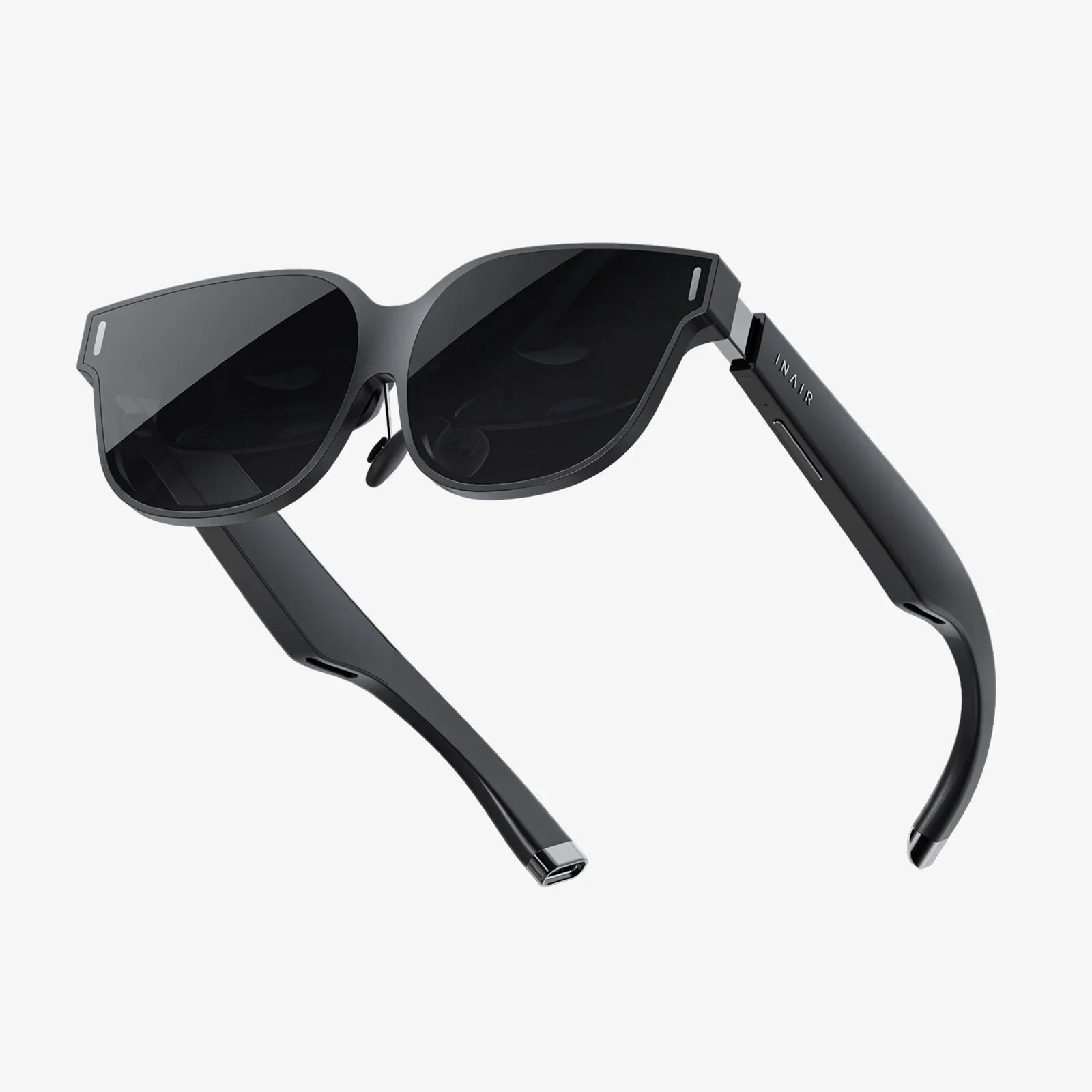
Imagine slipping on a headset and, in an instant, being transported. The familiar confines of your room dissolve, replaced by the vertiginous edge of a skyscraper, the serene depths of a coral reef, or the bustling command deck of a starship. This is the magic of a VR demo, a potent sip from the well of virtual possibility that promises to redefine not just entertainment, but the very fabric of human experience. It’s not merely a trial; it’s a key to a thousand different doors, each opening onto a reality previously confined to dreams.
The Alchemy of Presence: What Makes a VR Demo So Powerful?
At its core, a compelling VR demo is an engineered illusion, a sophisticated trick played on the senses to conjure a feeling of true presence. This is the holy grail of virtual reality—the unshakable sensation that you are actually there, not just observing a screen. This phenomenon is achieved through a careful orchestration of technology and psychology.
Visual immersion is the first and most obvious layer. High-resolution displays fill your entire field of view, while precise head-tracking ensures the virtual world responds naturally to your every movement—look up, and you see the digital sky; look down, and you see a virtual floor. This 1:1 movement creates a fundamental bond between your physical self and the digital environment.
But vision is only part of the story. Spatial audio is the invisible architect of immersion. Hearing a sound source move fluidly from your left to your right as you turn your head, or detecting the subtle echo of a footstep in a vast virtual hall, tricks your brain into accepting the space as genuine. This multi-sensory engagement is what separates a passive video from an active experience.
Finally, the element of agency completes the trinity. The ability to interact with the virtual world, even in a limited way during a demo, is transformative. Reaching out with a motion-tracked controller to push a button, pick up an object, or paint in three-dimensional space shatters the fourth wall. You are no longer a spectator; you are a participant. This combination of sight, sound, and interaction forges a powerful emotional and memorable connection that flat media simply cannot replicate.
Beyond the Game: The Expansive Universe of VR Applications
While gaming remains a primary driver of consumer virtual reality, the utility of a VR demo extends far beyond. It has become an indispensable tool across numerous professional and educational fields, offering a safe, efficient, and deeply impactful way to demonstrate complex concepts and environments.
Education and Training: Learning by Doing
Imagine a medical student performing their first intricate surgical procedure not on a cadaver, but in a risk-free virtual operating room. A VR demo can provide this, allowing for repeated practice, mistake-making, and mastery without consequence. Similarly, mechanics can train on virtual engines, firefighters can navigate burning buildings, and astronauts can practice spacewalks. This experiential learning dramatically accelerates skill acquisition and retention.
Real Estate and Architecture: Walking Through Dreams
For architects and real estate professionals, a VR demo is a revolutionary sales and design tool. Instead of poring over blueprints or static renders, clients can don a headset and take a photorealistic walkthrough of an unbuilt home or a property thousands of miles away. They can experience the flow of space, the quality of light at different times of day, and the scale of rooms, enabling confident decision-making long before a single brick is laid.
Corporate and Retail: The Virtual Showroom
Businesses are leveraging VR demos to create immersive virtual showrooms and conduct innovative remote collaborations. A car manufacturer can let potential customers explore every detail of a new model, inside and out, from their living room. A global design team can meet inside a virtual mock-up of a new product, examining it from all angles and making annotations in real-time, as if they were in the same physical space.
Travel and Tourism: A Preview of Paradise
The travel industry has found a powerful ally in the VR demo. Resorts, cruise lines, and tourism boards can offer breathtaking previews of destinations. You can stand on the rim of the Grand Canyon, stroll through a sun-drenched Italian piazza, or explore a remote tropical island. These experiences are potent motivators, helping travelers visualize their trips and inspiring their next adventure.
Preparing for Your First Foray: A Beginner's Guide
Embarking on your first VR demo is exciting, but a little preparation can ensure it's a comfortable and mind-blowing experience rather than a disorienting one.
1. Secure Your Play Area: The first step is safety. Clear a sufficient amount of space—often called a 'play area' or 'guardian boundary'—free from obstacles, tripping hazards, and fragile items. Most systems will guide you through setting up a virtual boundary; if you approach this line, a grid will appear to warn you. This is crucial for preventing collisions with walls or furniture.
2. Adjust for Comfort: A poorly fitted headset can quickly ruin the experience. Take time to adjust the straps so the headset feels secure but not overly tight. Pay special attention to the lens distance (ipd adjustment), if available, to match the spacing of your eyes. This ensures the image is as sharp and clear as possible, reducing eye strain.
3. Start Simple: If you are new to VR, do not jump straight into an intense, fast-paced experience. Begin with more stationary or gentle demos that allow you to acclimate to the sensation of virtual reality. Your brain needs a few minutes to adjust to the new sensory input.
4. Listen to Your Body: Be aware of the potential for simulator sickness, a form of motion sickness that can occur when your eyes perceive movement that your inner ear does not. Feelings of dizziness, nausea, or eye fatigue are signs to take a break. Immediately stop if you feel unwell. These sensations lessen with repeated exposure as your brain adapts.
5. Engage Fully: Once you are comfortable, lean into the illusion. Don’t be afraid to move, crouch, look around corners, and interact with everything you can. The more you actively participate, the deeper your sense of presence and the more rewarding the experience will be.
The Future is Now: Where VR Demos Are Headed
The technology behind virtual reality demonstrations is advancing at a breathtaking pace, promising even more seamless and convincing experiences in the very near future. Several key developments are on the horizon.
Hardware is becoming lighter, wireless, and more powerful, eliminating the tethers and bulky designs that can remind users of the real world. Higher-resolution displays with advanced pancake lenses are increasing visual fidelity, making screen-door effects a thing of the past. Haptic feedback technology is evolving beyond simple controller vibrations to include vests, gloves, and even full-body suits that can simulate touch, pressure, and impact, adding a crucial layer of physical sensation to the experience.
Perhaps the most significant frontier is the development of more sophisticated eye-tracking and facial expression tracking. This will allow avatars in social and professional demos to convey non-verbal communication with stunning accuracy, making remote collaboration feel truly human. Furthermore, eye-tracking enables foveated rendering, a technique that concentrates processing power only on the spot where you are directly looking, drastically improving performance and visual quality.
As artificial intelligence integrates with VR, we can expect demos to become dynamic and responsive. Instead of a static scripted experience, an AI could tailor a virtual tour or training simulation in real-time based on your gaze, actions, and choices, creating a truly personalized and adaptive demonstration.
Crafting the Perfect Experience: Principles of Effective Demos
Creating a VR demo that truly captivates and convinces is both an art and a science. The most successful ones adhere to a few core principles.
The Hook: The first 15 seconds are critical. A great demo immediately establishes a sense of place and purpose, captivating the user before they have time to question the technology. It should be intuitive, requiring little to no instruction.
Meaningful Interaction: Interaction shouldn't feel like a gimmick. The best demos provide agency that feels relevant and empowering. Letting a user reassemble a virtual engine part is meaningful; having them point at menus is not. The actions should reinforce the core message of the demo.
Pacing and Comfort: Especially for a broad audience, comfort is paramount. Designers must avoid forced artificial locomotion (like joystick movement) which can induce sickness in new users. Teleportation mechanisms and experience designs that allow users to move at their own pace are essential for broad appeal.
A Clear Narrative: Even the most technical demo benefits from a subtle narrative arc. Whether it's the journey of designing a building or the process of diagnosing a patient, a clear beginning, middle, and end helps guide the user and makes the experience memorable.
The Wow Moment: Every unforgettable VR demo has a signature "wow moment"—a breathtaking vista, a surprising interaction, or a profound sense of scale. This is the moment the user will inevitably describe to others, the emotional core of the experience that showcases the unique power of virtual reality.
The humble VR demo is far more than a piece of promotional content; it is the essential bridge between the promise of virtual reality and its tangible impact. It is the hand that reaches out from the digital realm, inviting us to step across the threshold and explore, learn, and feel in ways we never thought possible. It is the proof that the future is not something we wait for, but something we can step into, one breathtaking experience at a time.
Share:
VR Earphones: The Unseen Engine Powering True Virtual Reality Immersion
AI Companion Device: The Dawn of a New Era in Personal Technology and Connection