


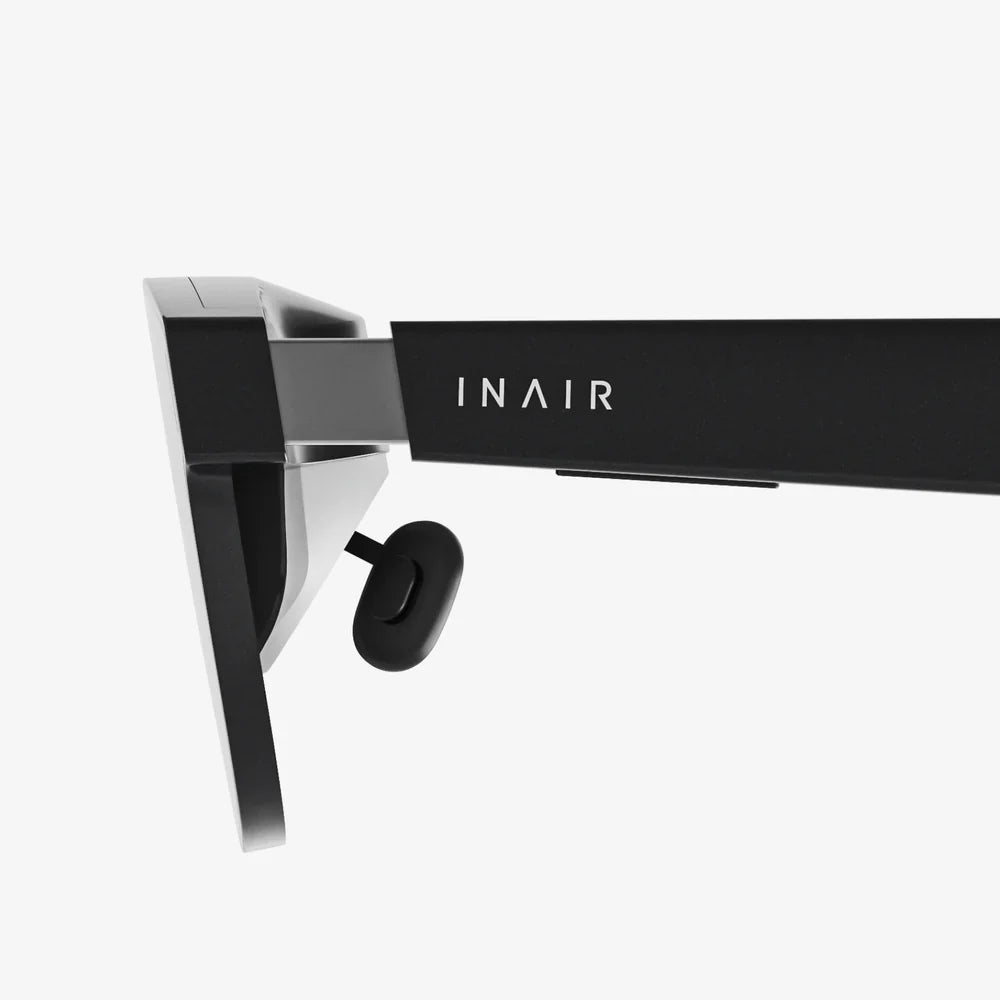
Imagine stepping into a breathtaking, high-resolution virtual world, not from a clunky desktop computer with a web of cables, but directly from the powerful computer you carry in your pocket. The dream of accessing deep, immersive VR experiences has long been chained to the processing might of a desktop PC, but a quiet revolution is underway, shifting the paradigm from the desk to the palm of your hand. The journey of VR from PC to iPhone is not just a story of convenience; it's a narrative about the relentless miniaturization of technology, the democratization of immersive experiences, and a glimpse into a truly wireless future. This is your portal to understanding how the lines are blurring, how you can be part of it, and what it means for the next chapter of virtual reality.
The Great Divide: PC VR vs. The Mobile Horizon
For years, the virtual reality landscape was distinctly bifurcated. On one side stood PC-powered VR, the undisputed king of performance and immersion. These systems, often called tethered headsets, rely on a direct, high-bandwidth connection to a powerful computer. This link allows them to render incredibly complex, visually rich, and physically interactive environments. The graphics are stunning, the tracking is precise, and the experiences are deeply engaging, powering everything from hyper-realistic flight simulators to intricate social worlds.
On the other side was mobile-based VR, which initially meant slotting a smartphone into a simple head-mounted shell. These early experiences were compelling for their accessibility and price point but were severely limited by the phone's processing power, thermal constraints, and lack of sophisticated positional tracking. The experiences were often 360-degree videos or simple, static games—a far cry from the rich interactivity of their PC counterparts. The gulf between the two seemed vast and insurmountable.
The Catalyst: A Perfect Storm of Technological Advancement
The bridge between these two worlds is being built not by a single invention, but by a convergence of several revolutionary technologies. The most critical element is the staggering increase in the computational power of smartphones, particularly Apple's iPhones. The modern mobile system-on-a-chip (SoC), with its advanced CPU, GPU, and neural engines, now rivals the capabilities of desktop computers from just a few years ago. This raw power is the foundation, allowing iPhones to handle the intense graphical workloads required for convincing VR.
Furthermore, the development of sophisticated standalone VR headsets has paved the way. These devices, which have their own internal processors, screens, and tracking systems, demonstrated that high-quality, untethered VR was possible. They created a market and a technological blueprint. The natural evolution was to ask: if a headset can have its own dedicated mobile chip, could an external mobile phone power a similar experience? The answer, increasingly, is yes.
Finally, advancements in display technology, sensor fusion (combining data from gyroscopes, accelerometers, and cameras for accurate tracking), and low-latency wireless communication protocols have closed the gap. The iPhone's high-resolution, high-refresh-rate Retina displays provide the crisp visual canvas, while its array of sensors enables the precise head-tracking needed to sell the illusion of virtual presence.
Building the Bridge: How PC VR is Making the Leap to iPhone
So, how does one actually translate a high-fidelity PC VR experience to an iPhone? There are two primary methodologies, each with its own merits and trade-offs.
1. Wireless Streaming: The Virtual Link
This method leverages the best of both worlds. Your powerful gaming PC acts as the rendering workhorse, doing the heavy lifting to create the complex visuals of the VR environment. This video stream is then compressed and transmitted wirelessly over your local Wi-Fi network to a compatible app on your iPhone, which is nestled in a dedicated headset.
The iPhone's role is multifaceted: it acts as the display, the tracking device (using its sensors), and the receiver. Specialized software on both the PC and the iPhone work in tandem to minimize latency—the delay between your head movement and the corresponding movement in the headset—which is critical to preventing motion sickness and maintaining immersion. This approach provides a near-PC-quality experience with the incredible freedom of being untethered. You are no longer physically limited by the length of a cable.
2. Native Processing: The Self-Contained Powerhouse
The second, and more futuristic, approach is native rendering. Here, the iPhone itself becomes the VR computer. The VR application runs directly on the phone's hardware, processing all the graphics, physics, and audio using its internal GPU and CPU. The phone is inserted into a headset that often includes additional features like improved lenses and controllers for interaction.
While currently more suited to less graphically intensive experiences than the absolute top-tier PC titles, the gap is narrowing rapidly. As iPhone processors continue their exponential growth, the potential for truly standalone, high-fidelity VR that requires no other hardware is immense. This is the ultimate expression of VR from PC to iPhone: a complete transfer of computational duty, resulting in a completely self-contained and portable system.
The Hardware Ecosystem: More Than Just a Phone
To fully experience this new frontier, your iPhone needs a partner: a head-mounted display. The market has evolved far beyond the simple cardboard viewers of yesterday. Modern headsets designed for iPhones are sophisticated pieces of kit. They feature:
- High-Quality Lenses: Precision optical systems that widen the field of view and reduce distortion, making the image clear and immersive from edge to edge.
- Comfortable Design: Padded head straps, adjustable IPD (inter-pupillary distance), and balanced weight distribution for longer, more comfortable play sessions.
- Integrated Controllers: Many modern mobile VR platforms offer motion-tracked controllers, similar to those on standalone headsets, enabling full 6 degrees of freedom (6DoF) movement and rich interaction within the virtual world.
- Additional Sensors: Some higher-end models may include their own external cameras or sensors to augment the iPhone's built-in tracking, providing even greater accuracy and a larger play area.
The Software Landscape: Gateways to New Realities
The software is the gateway. Apps available on the App Store are the crucial link that makes everything work. For wireless streaming, these apps connect to a companion program on your PC, managing the connection, decoding the video stream, and translating the iPhone's sensor data into in-game movement. The stability and efficiency of this software are paramount to a good experience.
For native experiences, the App Store is becoming a growing repository of VR games and applications built specifically to harness the iPhone's power. From immersive educational tours of ancient Rome to rhythm games that make you move, the library is expanding as developers recognize the potential of this massive, powerful installed user base.
Challenges and Considerations on the Frontier
This technological shift is not without its hurdles. Pushing a smartphone to its limits for extended VR sessions generates significant heat, which can lead to performance throttling and potential long-term battery health concerns. Managing device temperature is a key engineering challenge.
Furthermore, while wireless streaming is brilliant, it is heavily dependent on a robust and uncongested Wi-Fi network. Any interference or bandwidth limitations can introduce lag or compression artifacts, breaking immersion. The quest for a truly low-latency, high-fidelity wireless standard continues. Finally, the user experience of managing a headset, controllers, and a phone, while vastly improved, still lacks the seamless simplicity of a dedicated all-in-one device.
The Future is Untethered and in Your Pocket
We are standing at the precipice of a major shift. The trajectory is clear: VR is moving away from the niche, high-cost domain of PC enthusiasts and towards a more accessible, mobile-first future. The iPhone, with its consistent annual performance boosts and vast market penetration, is poised to be a central player in this evolution. We can anticipate several key developments:
- Even More Powerful Chips: Each new generation of iPhone processor will narrow the graphical gap with desktop systems, making native mobile VR experiences increasingly breathtaking.
- Dedicated XR Features: Future iPhone hardware may include features specifically designed for extended reality (XR), such as dedicated depth-sensing LiDAR scanners on all models or ultra-low-power coprocessors for continuous sensor monitoring.
- Tighter Software Integration: Apple's own operating system and software development kits (SDKs) will likely evolve to offer deeper, more system-level support for VR and AR, making it easier for developers to create stunning experiences.
- The Ecosystem Play: The true power will be in the ecosystem—seamlessly moving between AR apps viewed through the phone's screen to full VR immersion in a headset, all powered by the same device and connected to the same cloud services and app store.
The journey of VR from PC to iPhone is a testament to the incredible pace of innovation. It shatters the old constraints and invites millions of users to experience virtual worlds without being tied down. It promises a future where the most powerful tool for virtual exploration isn't hidden under a desk, but is the device we already rely on for so much of our digital lives. The cord has been cut, and the virtual world is now waiting, anywhere you are, ready to be explored at a moment's notice. The next great adventure won't start at your computer; it will start in your pocket.
Share:
VR Headset Collection: A Journey Through Virtual Realms and Tangible History
Best VR Headset for Gooning: An Immersive Guide to Sensory Deprivation