


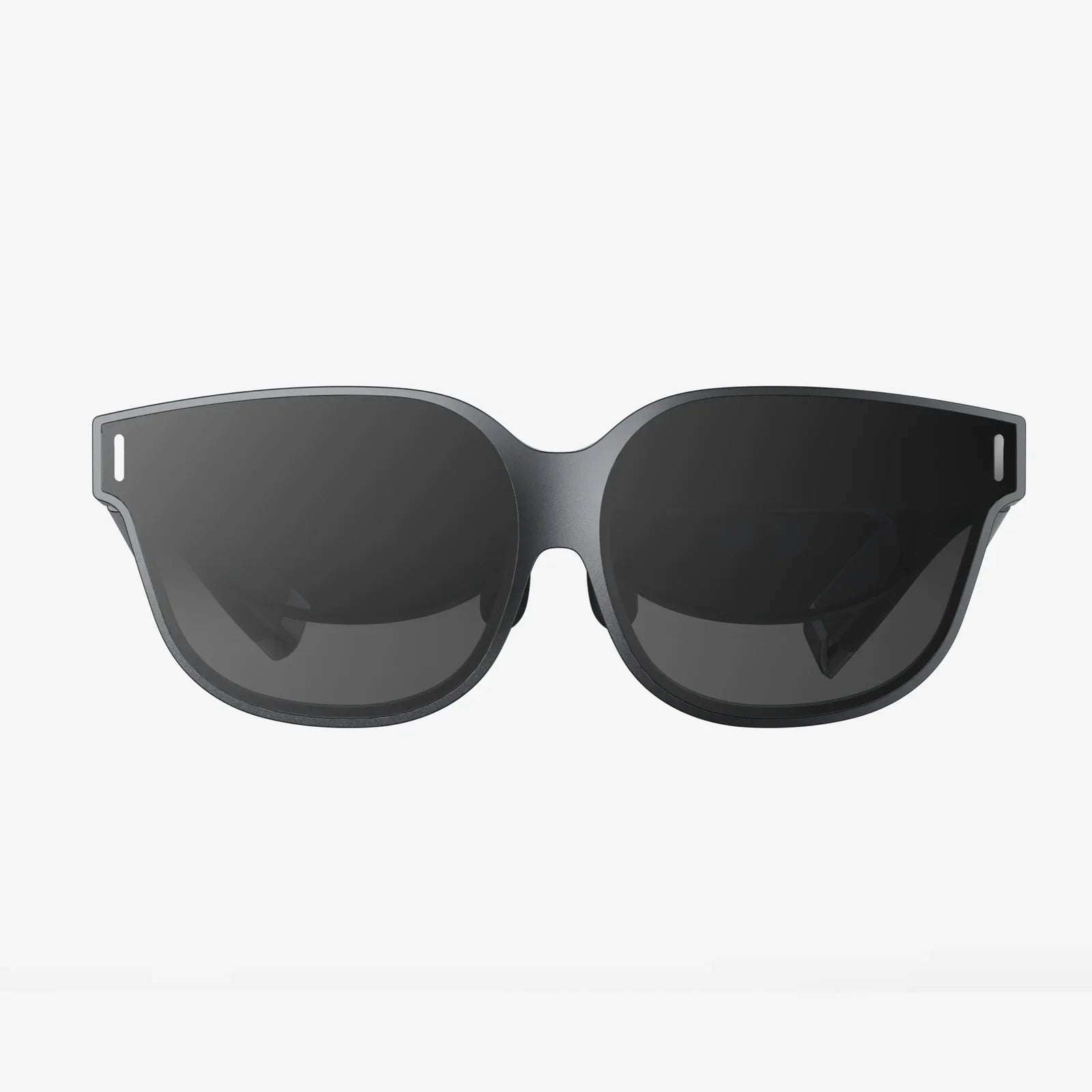
Imagine strapping on a piece of history, a portal to another dimension that once represented the bleeding edge of human technological aspiration. This is the unique thrill that drives a growing community of enthusiasts dedicated to the pursuit of the ultimate VR headset collection. Far from being mere shelves of outdated plastic and glass, these collections are living museums, chronicling the audacious, often quirky, and profoundly transformative journey of virtual reality from science fiction fantasy to a cornerstone of modern computing. For those who hear the siren call of stereoscopic displays and positional tracking, building a VR headset collection is more than a hobby; it's a passionate preservation of a revolution in progress.
The Allure of the Obsolete: Why Collect VR Headsets?
What compels someone to seek out, acquire, and meticulously maintain hardware that the broader market has deemed obsolete? The motivations are as layered and complex as the headsets themselves.
For many, it's a powerful sense of historical preservation. The VR industry has moved at a breakneck pace. Groundbreaking devices that made headlines and fueled our collective imagination a mere five or ten years ago are now technological relics. A collection acts as a safeguard against digital amnesia, ensuring that the prototypes, commercial flops, and foundational successes that built the industry are not lost to time. These pieces are the fossils of the digital age, each one telling a story about the ambitions and technical constraints of its era.
Others are driven by a deep-seated nostalgia and personal connection. The first time someone experienced true presence in a virtual world is a moment seared into their memory. Owning the hardware that delivered that transformative experience is akin to owning a piece of their own personal history. It’s a tangible connection to the wonder and awe of that first encounter, a feeling they can revisit simply by holding the device.
There's also the academic and technical curiosity. A VR headset collection serves as a physical timeline of innovation. By examining different units side-by-side, one can trace the evolution of display technology, from the low-resolution, screen-door-effect plagued panels of the early days to the crisp, high-refresh-rate displays of today. You can see the experimentation with tracking systems—from external ultrasonic sensors and infrared cameras to inside-out optical tracking. The evolution of input methods, ergonomics, and lens design are all documented in three dimensions. For developers, engineers, and students, such a collection is an invaluable hands-on resource.
Finally, let's not discount the simple joy of the hunt. Tracking down a rare developer kit, a prototype that never saw mass production, or a complete-in-box example of an early commercial failure is a challenge that requires patience, dedication, and a bit of luck. The community thrives on forums and marketplaces, sharing finds and helping others complete their sets.
A Timeline in Hardware: Key Eras for Your VR Headset Collection
To build a meaningful collection, it helps to understand the key epochs in VR's development. Each era introduced new concepts, faced unique challenges, and produced iconic hardware.
The Pioneering Era (Pre-2010)
This period is the domain of the serious collector, filled with rare, often astronomically expensive prototypes and early commercial attempts. This was the "wild west" of VR, where companies took huge risks on unproven technology.
- The Forebears: This includes the monumental, if not commercially successful, headsets of the late 80s and early 90s. They were bulky, incredibly expensive, and required supercomputers to run, but they proved the concept was viable.
- Military and Research Units: Many early advancements were funded by military and academic research. Collecting these is exceptionally difficult, as they were never sold to the public, but they represent the true cutting edge of their day.
Headsets from this era are characterized by low-resolution CRT or early LCD displays, heavy weight, and external tracking systems that were complex to set up. Acquiring them often means hunting on specialized auction sites and connecting with retired engineers and researchers.
The Modern Renaissance (c. 2012 – 2016)
This is where the modern VR industry was born. A pivotal moment came with the rise of smartphones, which drove down the cost and size of high-resolution displays and motion sensors. This era is the foundation of most collections.
- The Kickstarter Darling: The campaign that arguably kickstarted the modern VR revolution. Its developer kits were the first taste of high-quality, accessible VR for thousands of developers and enthusiasts.
- The Giant Enters the Ring: The first major consumer-grade headset from a tech giant. It consisted of a headset powered by a powerful external tracking system. It set the standard for PC-based VR and spawned a generation of compatible peripherals.
- The Mobile Innovator: This approach used a smartphone slotted into a head-mounted shell. It brought VR to the masses at an affordable price point, introducing millions to basic immersive experiences and 360-degree videos.
Headsets from this period are more common but no less important. They represent the first time VR became a viable consumer product. Complete kits with all their original controllers and sensors are highly desirable.
The Consumer Refinement Era (2016 – Present)
This era is defined by iteration, refinement, and the move towards convenience and accessibility. Tracking became more accurate, displays sharper, and setup more user-friendly.
- The Inside-Out Trailblazer: This generation of headsets eliminated the need for external sensors entirely, using cameras on the headset itself to track the environment and controllers. This was a massive step forward in reducing setup complexity and making VR more approachable.
- The All-in-One Standalone: Perhaps the most significant shift since the Renaissance, these devices have all the computing power built into the headset. They are completely untethered from PCs or consoles, offering unparalleled freedom of movement and accessibility. They have become the most popular and widespread form of VR.
- The High-End Standalone: Blurring the lines, these devices can operate as both a standalone unit and a PC-powered headset, offering the best of both worlds: convenience and high-fidelity performance.
Collecting this era is about documenting the branching paths of VR: the pursuit of the wireless living room experience versus the pursuit of maximum graphical fidelity.
The Practicalities of the Hunt: Acquiring and Maintaining Your Collection
Building a VR headset collection isn't as simple as just buying old tech. It requires strategy, care, and knowledge.
Sourcing Your Pieces
Where do you find these pieces of history?
- Online Marketplaces: Sites like eBay are the most common hunting grounds. Patience is key, as prices can fluctuate wildly. Set up saved searches for specific model numbers.
- Specialist Forums and Communities: Dedicated online communities are invaluable. Members often sell duplicates or pieces of their collection to one another, usually at fair prices. They are also the best source of information.
- Local Classifieds and Electronics Recycling Centers: Sometimes, pure luck strikes. People clearing out attics or basements may not know the value of what they have. Always be on the lookout.
The Importance of Condition and Completeness
For a collector, condition is everything. A headset is generally valued in this hierarchy:
- New Old Stock (NOS): Never used, still in its original sealed packaging. The holy grail, but extremely rare and expensive for older models.
- Complete in Box (CIB): The device, all original cables, controllers, sensors, and documentation in its original box. This is the target for most serious collectors.
- Loose but Functional: The headset and necessary components work but may be missing original boxes or minor accessories. A great way to own a piece of history without the premium price.
- For Parts/Not Working: These can be cheap sources for spare parts or projects for those skilled in electronics repair.
Preservation and Maintenance
VR headsets are delicate instruments. Proper care is essential to prevent them from becoming useless plastic boxes.
- Battery Care: For standalone and wireless headsets, the battery is a primary point of failure. Never store them with a completely drained or fully charged battery for long periods. A charge level of around 50-60% is ideal for storage.
- Lens Protection: The lenses are the eyes of the device. They must be protected from scratches, dust, and, most importantly, direct sunlight. Sunlight focused through the lenses can permanently burn the internal displays in seconds. Always store headsets with the lenses facing away from light sources or use the included protective cover.
- Foam and Strap Degradation: The soft, porous foam facial interfaces and elastic straps can degrade, become brittle, or crumble over time. For display, you may want to remove these and store them separately. Replacement parts are often available for more popular models.
- Display and Electronics: Store headsets in a cool, dry, and dark place to prevent damage from humidity, heat, or light exposure.
Beyond the Hardware: The Software and Experience
A truly complete VR headset collection isn't just about the physical headsets. It's about preserving the entire experience, which is inextricably linked to the software of its time.
This presents the collector's greatest challenge: software obsolescence. The digital storefronts and services that powered these devices are often shut down, making it impossible to download games and applications legally. The PCs and operating systems required to run older hardware become incompatible with modern systems.
This is where the hobby takes on an archival dimension. Collectors work to:
- Preserve physical media (game discs) and digital installation files.
- Maintain older computer systems with period-correct graphics cards and drivers to run the headsets as they were meant to be run.
- Document and archive the experiences, through video capture and written reviews, so the feeling of using these devices is not lost even if the hardware eventually fails.
Experiencing a classic tech demo or game on the original hardware it was designed for is the ultimate goal. It provides context and appreciation that emulation or modern ports simply cannot match.
The Future of the Virtual Past
The pursuit of a VR headset collection is a testament to the profound impact this technology has had on those who have experienced it. It’s a recognition that the path to the future is paved with the ideas—both successful and failed—of the past. These collections ensure that the audacious prototypes, the commercial missteps, and the groundbreaking successes are remembered not just as footnotes in a tech article, but as physical artifacts that can be seen, held, and, most importantly, experienced.
As we stand on the cusp of even more immersive technologies like augmented reality and neural interfaces, the lessons encapsulated in these collections become even more vital. They remind us that every seamless experience we enjoy today was once a clumsy, wires-everywhere prototype in a lab, built by visionaries who dared to imagine a different way to interact with computers and with each other. So the next time you see an old headset gathering dust in a closet, look again. You’re not just looking at outdated tech; you’re looking at a piece of a revolution, a portal to a forgotten virtual world, and a crucial chapter in the ongoing story of human connection.
Share:
Best 3D VR Headset for Android: Your Ultimate Guide to Mobile Immersion
VR from PC to iPhone: The Ultimate Guide to Untethered Immersion