


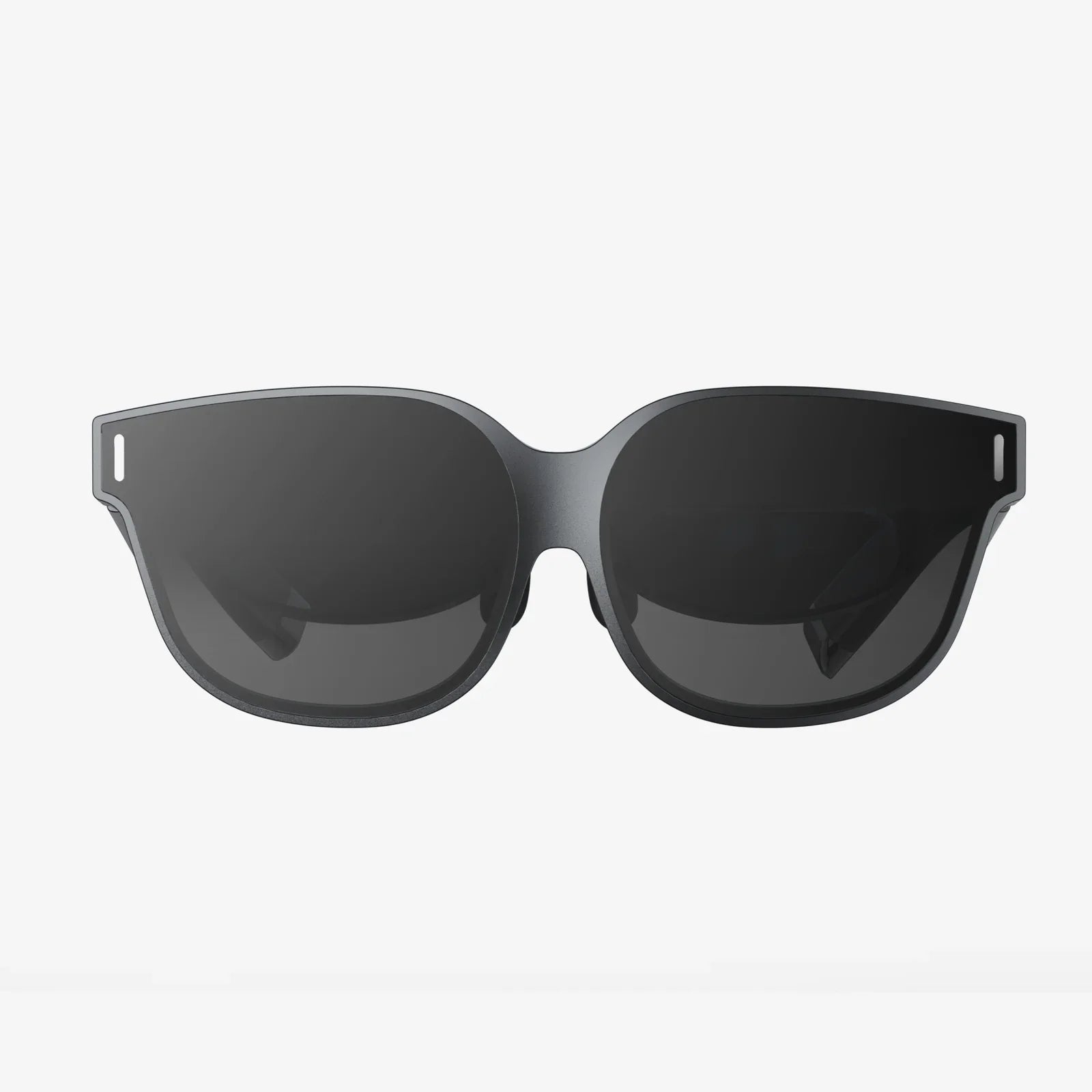
Stepping into a virtual world, whether to explore fantastical landscapes, train for a high-stakes surgery, or simply enjoy a blockbuster movie on a screen the size of a skyscraper, is no longer a distant sci-fi fantasy. For tech-savvy Israelis, the gateway to these experiences is through a pair of VR glasses, but the first and most pressing question is always: what will it cost me? The VR glasses price in Israel is a tapestry woven from global tech trends, local import taxes, and a rapidly evolving market. Unraveling this tapestry is the key to making an informed purchase that doesn't leave your wallet feeling like it's been through a virtual battle.
The Israeli VR Market: A Snapshot
The demand for virtual reality technology in Israel has seen a significant uptick. Known globally as the "Start-Up Nation," Israel has a population that is inherently tech-curious and early-adopting. This creates a fertile ground for VR, not just as a gaming peripheral but for enterprise solutions, academic research, and architectural visualization. However, this demand exists within a unique economic ecosystem. Israel is not a primary market for most major tech manufacturers, meaning availability can be more limited and prices are almost always higher than in North America or Europe due to a combination of import taxes, VAT (currently 17%), shipping logistics, and distributor markup. Understanding that the listed price is a sum of these parts is the first step for any prospective buyer.
Decoding the Price Spectrum: From Entry-Level to High-End
The term "VR glasses price in Israel" isn't a single number; it's a broad spectrum. The final cost is overwhelmingly determined by the category of device you choose.
1. Smartphone-Based VR Headsets (The Budget Tier)
These are the most accessible entry points into virtual reality. These headsets are essentially sophisticated holders for your smartphone, which acts as both the screen and the processor.
- How they work: You slot your phone into the headset, and lenses inside split the screen for a stereoscopic 3D effect.
- Price Range in Israel: ₪100 - ₪400
- Pros: Extremely affordable, no powerful computer needed, highly portable, vast library of simple apps and 360-degree videos.
- Cons: Limited processing power (dependent on your phone), less immersive experience, typically no positional tracking (you can look around but not move within the virtual space), lower graphical fidelity.
- Ideal For: First-time users curious about VR, watching 360 videos, or those on an extremely tight budget.
2. Standalone VR Headsets (The Sweet Spot for Most Users)
This category has exploded in popularity and represents the best balance of quality, convenience, and cost. These devices have all the necessary computing hardware built directly into the headset—no wires, no phone, no powerful PC required.
- How they work: They are completely self-contained systems with integrated displays, processors, batteries, and inside-out tracking cameras that map your environment.
- Price Range in Israel: ₪1,800 - ₪3,500
- Pros: Wireless freedom, ease of setup, strong performance for the price, access to a robust library of games and applications, full 6-degrees-of-freedom (6DoF) tracking (you can move and crouch within the virtual space).
- Cons: Graphics are less powerful than PC-driven systems, battery life limits session length.
- Ideal For: The vast majority of consumers. They are perfect for gaming, fitness apps, social VR, and media consumption.
3. PC-Connected VR Headsets (The Premium, High-Fidelity Experience)
This is the pinnacle of consumer virtual reality, designed for enthusiasts who demand the absolute best in visual fidelity, performance, and immersion. These headsets must be connected via a cable to a high-end gaming computer that does all the heavy processing.
- How they work: The headset contains high-resolution displays and sensors, but it relies on an external computer to render the complex visuals. This often requires external base stations or sensors placed in the room for precise tracking.
- Price Range in Israel: ₪2,500 - ₪5,500+ for the headset alone.
- The Hidden Cost: The powerful gaming PC required to run these headsets effectively is a major additional expense, easily adding ₪6,000 - ₪12,000+ to the total cost if you don't already own one.
- Pros: Unmatched graphical quality, the most immersive and responsive experiences, access to the most demanding and complex VR titles.
- Cons: Very expensive total system cost, tethered cable can break immersion, complex setup process, requires significant physical space.
- Ideal For: Hardcore gamers, simulation enthusiasts (flight, racing), and professionals in fields like 3D design who need the highest precision.
Beyond the Headset: The Hidden Costs of VR in Israel
When budgeting for your VR glasses price in Israel, the headset itself is only part of the equation. Smart shoppers must account for these additional expenses:
- Software and Games: Premium VR titles can cost anywhere from ₪50 to ₪250. A robust library is an investment.
- Accessories: Extra controllers, rechargeable battery packs, protective lens covers, upgraded head straps for comfort, and carrying cases can add hundreds of shekels.
- PC Upgrade Costs (for PCVR): As mentioned, this is the most significant hidden cost. Ensure your computer meets the exact specifications of the headset you are considering.
- Import Taxes & Shipping: If you order from abroad instead of a local retailer, be prepared for customs fees and high shipping costs, which can sometimes negate any apparent savings.
Where to Buy VR Glasses in Israel
You have several avenues to make your purchase, each with pros and cons regarding price and assurance.
- Official Israeli Retailers and Distributors: Stores like Ivory, KSP, and Bug are reliable options. You'll pay the market rate but receive full Israeli warranty support and customer service, which is invaluable for a complex electronic device.
- Major Online Retailers: Global sites often have competitive prices, but you must check if they ship to Israel and calculate the total landed cost, including shipping and import taxes. Warranty claims might require shipping the device overseas.
- The Second-Hand Market: Platforms like Yad2 and Facebook Marketplace can offer significant discounts. This is a higher-risk option, but you can find barely used headsets from upgraders. Always insist on testing the device to ensure the lenses are scratch-free and all controllers work perfectly.
The Future of VR Pricing in Israel
The trajectory of VR technology suggests a future of both higher capabilities and potentially more accessible prices. As components become cheaper and manufacturing scales, the cost of standalone headsets is likely to decrease, making them even more mainstream. We are also seeing a market segmentation where companies offer a premium, high-end model alongside a more affordable version. For the Israeli market, as VR becomes more established, competition among local distributors may also help stabilize and slightly reduce prices over time. However, the fundamental costs of importation and taxation will remain a key differentiator from prices in other countries.
So, before you dive headfirst into the virtual abyss, remember that the true VR glasses price in Israel is more than just a tag on a box. It's a calculation of the experience you crave, the hardware you own, and the ecosystem you're buying into. Armed with this knowledge, you're now ready to find the perfect headset that unlocks new realities without creating an unwelcome one for your finances. The immersive world of virtual reality is waiting, and it's more within your reach than you might think.
Share:
Digital Security Products: Your Essential Shield in an Invisible War
Wearable Devices with AI Capabilities Are Redefining Human Potential and Personal Health