


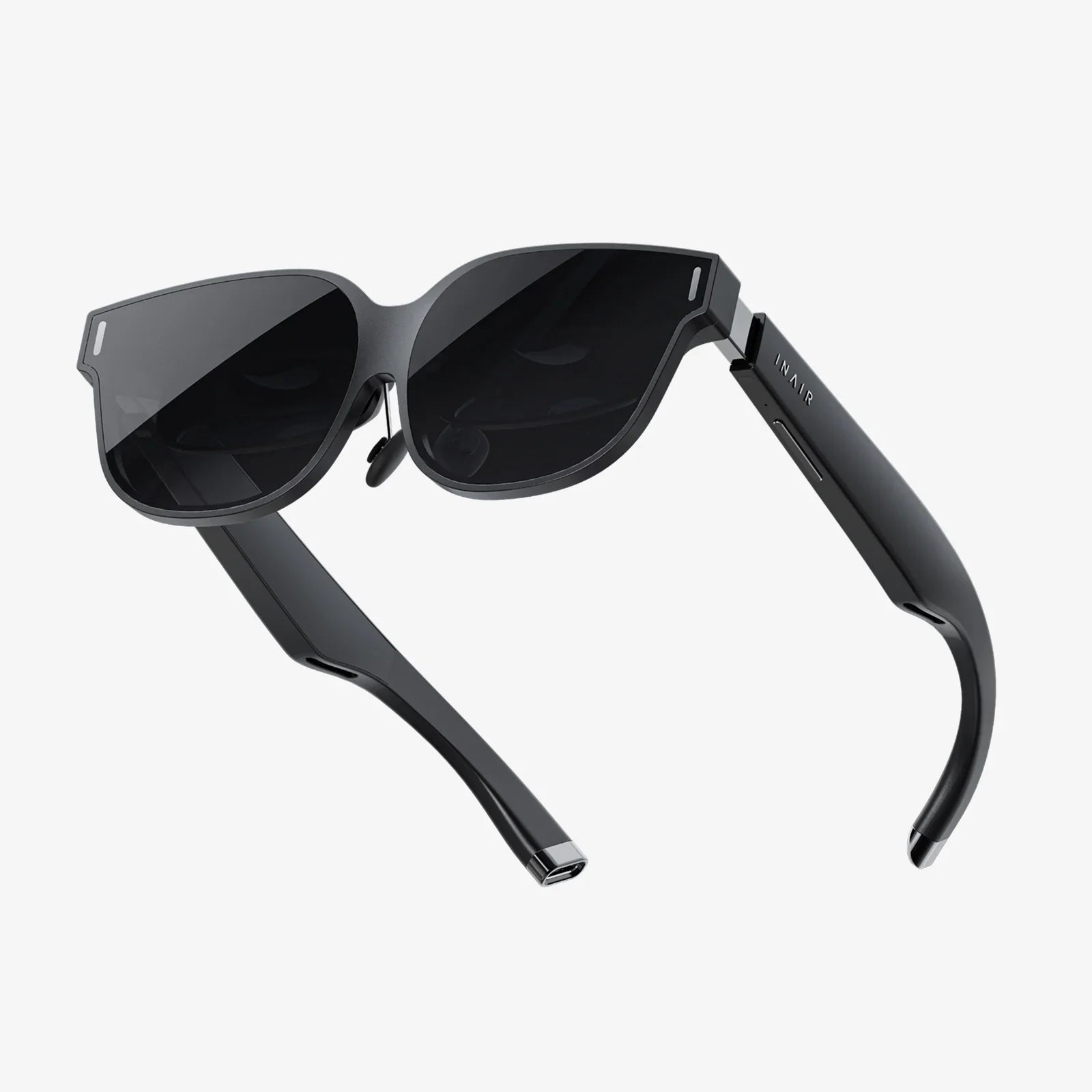
Imagine a world where your watch doesn't just tell time—it tells you you're about to get sick, 48 hours before the first symptom. Envision earbuds that don't just play music but translate conversations in real-time, dissolving language barriers instantly. Picture a ring that senses your stress levels and guides you through a breathing exercise before you even recognize the tension yourself. This is not a glimpse into a distant future; it is the emerging reality powered by wearable devices with AI capabilities. This technological convergence is moving beyond the novelty of step counting and into the realm of truly intelligent, proactive, and hyper-personalized companions that are fundamentally redefining the boundaries of human potential, health, and our daily interaction with the digital world.
The Evolution: From Data Loggers to Intelligent Partners
The journey of wearables began with simple data logging. The first generation of devices were essentially digital notebooks, meticulously recording our steps, heart rates, and sleep patterns. We were tasked with the laborious job of interpreting this data, searching for patterns, and figuring out what it all meant for our well-being. This was a passive relationship; the device collected, and the human analyzed.
The integration of artificial intelligence marks a profound paradigm shift. Today's advanced wearables are transitioning from passive data loggers to active, intelligent partners. At the core of this transformation are machine learning algorithms that chew through vast, continuous streams of biometric and contextual data—heart rate variability, skin temperature, blood oxygen levels, movement patterns, audio cues, and even environmental data. The AI's role is to find meaning in this chaos, to identify subtle correlations and patterns that are invisible to the human eye.
This is where raw data transforms into actionable insight. Instead of just showing you a graph of your sleep stages, an AI-powered device can analyze those stages against your daily activity, caffeine intake, and nighttime heart rate to provide a personalized recommendation: "Based on your data, a 20-minute walk after dinner and avoiding coffee after 2 PM could improve your deep sleep by 15%." This shift from what happened to why it happened and what to do about it is the true power of AI in wearables.
The Architecture of Intelligence: Sensors, Chips, and Algorithms
The intelligence of these devices is built upon a sophisticated and interconnected architecture. It starts with a suite of advanced sensors that act as the device's eyes and ears. These go far beyond basic accelerometers to include photoplethysmography (PPG) sensors for blood flow, electrodermal activity (EDA) sensors for stress response, electrocardiogram (ECG) sensors for heart electrical activity, and microphones for advanced audio processing.
This sensor data is processed by increasingly powerful, yet ultra-low-power, microprocessors designed specifically for on-device AI tasks. This concept of edge computing is crucial. Rather than sending every byte of raw data to a distant cloud server for analysis, the AI models run directly on the wearable itself. This enables real-time, instantaneous analysis and response—a necessity for critical functions like fall detection or abnormal heart rhythm alerts. It also enhances privacy, as highly personal biometric data never has to leave your wrist.
The brain of the operation is the AI algorithm itself. These models are trained on massive, anonymized datasets comprising millions of hours of human physiological data. Through techniques like deep learning, they learn to recognize the complex patterns associated with everything from the onset of atrial fibrillation to the subtle vocal biomarkers of mental fatigue. These models are continuously refined and updated, making the devices smarter and more accurate over time without the need for new hardware.
Revolutionizing Personal Health and Predictive Medicine
The most significant impact of AI-powered wearables is undoubtedly in the realm of health. They are democratizing healthcare, shifting the focus from reactive treatment in a clinic to proactive, continuous management in the real world.
- Predictive Health Insights: By establishing a personalized baseline for each user, AI can detect minute deviations that signal trouble. A slight, sustained increase in resting heart rate and a drop in heart rate variability can be an early indicator of infection, stress, or overtraining. Some systems are now capable of providing alerts for potential illnesses like Lyme disease or COVID-19 before obvious symptoms emerge, enabling earlier intervention and care.
- Advanced Chronic Condition Management: For individuals with conditions like diabetes, cardiovascular disease, or hypertension, AI wearables are life-changing. They can predict glycemic trends, alert to dangerous arrhythmias, or notify users of blood pressure spikes, often integrating with other medical devices to create a comprehensive health ecosystem.
- Mental and Emotional Well-being: The next frontier is mental health. By analyzing speech patterns, sleep quality, and physiological stress markers, devices can detect patterns of anxiety, depression, or emotional burnout. They can then intervene in the moment with guided breathing exercises, mindfulness prompts, or suggestions to take a break, creating a constant feedback loop for emotional regulation.
This flood of continuous, real-world data is also a goldmine for medical research, offering insights into population health trends and disease progression that were previously impossible to gather at scale.
Enhancing Human Performance and Productivity
Beyond clinical health, these devices are powerful tools for optimizing human performance in everyday life.
- The Quantified Athlete: For professional and amateur athletes alike, AI wearables provide a competitive edge. They analyze running gait to prevent injury, optimize workout intensity and recovery times based on physiological readiness, and provide form feedback in real-time. They don't just measure output; they teach you how to improve it.
- Cognitive and Professional Augmentation: Imagine a wearable that notices your focus waning during a crucial meeting and discreetly suggests a five-minute break. Or smart glasses for a field technician that overlay AI-generated repair instructions directly onto the machinery they are fixing. These devices are becoming cognitive partners, enhancing our focus, memory, and situational awareness in professional settings.
- Seamless Human-Computer Interaction: AI is making the interaction with technology more intuitive. Gesture control, eye tracking, and context-aware suggestions mean we can spend less time staring at screens and more time engaged with the world, with technology working quietly in the background to assist us.
Navigating the Ethical Minefield: Privacy, Bias, and Responsibility
With such transformative power comes profound responsibility. The pervasive nature of AI wearables raises critical ethical questions that society is only beginning to grapple with.
The most pressing concern is privacy and data security. These devices have access to our most intimate data: our real-time location, our health predispositions, our emotional states, and our daily routines. Who owns this data? How is it being used? Could it be sold to insurers, employers, or advertisers? The potential for misuse is staggering. Robust, transparent data governance and stringent security protocols are not optional features; they are the absolute foundation of trust upon which this entire industry must be built.
Furthermore, AI models are only as unbiased as the data they are trained on. If training data lacks diversity, the algorithms can perpetuate and even amplify societal biases. A heart health algorithm less accurate for women or a skin disease detection model that fails on darker skin tones is not just ineffective—it is dangerous. Ensuring fairness and equity in AI is a monumental but essential challenge.
There is also the risk of over-reliance and diagnostic anxiety. When does helpful guidance become health anxiety-inducing noise? The role of these devices must be to empower and inform, not to diagnose or replace professional medical care. Clear boundaries and user education are vital to prevent a new form of cyberchondria.
The Future: Invisible, Integrated, and Indispensable
The trajectory of this technology points toward a future where intelligence becomes even more seamlessly integrated into our lives. We are moving from wrist-worn devices to more discreet form factors: smart rings, patches, hearing aids, and even smart fabrics with sensors woven directly into the cloth. The ultimate goal is invisibility—technology that feels less like a device and more like a natural extension of our own capabilities.
We will also see the rise of integrated ecosystems, where your ring, your glasses, and your earbuds don't work in isolation but as a cohesive network, cross-referencing data to build a holistic model of your health and context. This ambient intelligence will anticipate our needs and act on our behalf, creating a truly personalized and responsive environment.
Perhaps the most exciting frontier is the potential for these devices to act as a bridge to a new era of brain-computer interfaces, allowing us to control technology with our thoughts and augmenting human cognition in ways we are only beginning to imagine.
The age of passive wearables is over. We are now entering an era of intimate, intelligent collaboration with technology, where the line between tool and partner is beautifully blurred. These devices are poised to become the most personal and powerful allies in our lifelong pursuit of health, understanding, and human potential, offering a future where technology doesn't just connect us to the internet—it helps us connect more deeply with ourselves.
Share:
VR Glasses Price Israel: The Ultimate 2024 Buyer's Guide to Virtual Reality
Smart Devices You Need to Automate Your Home and Elevate Your Life