


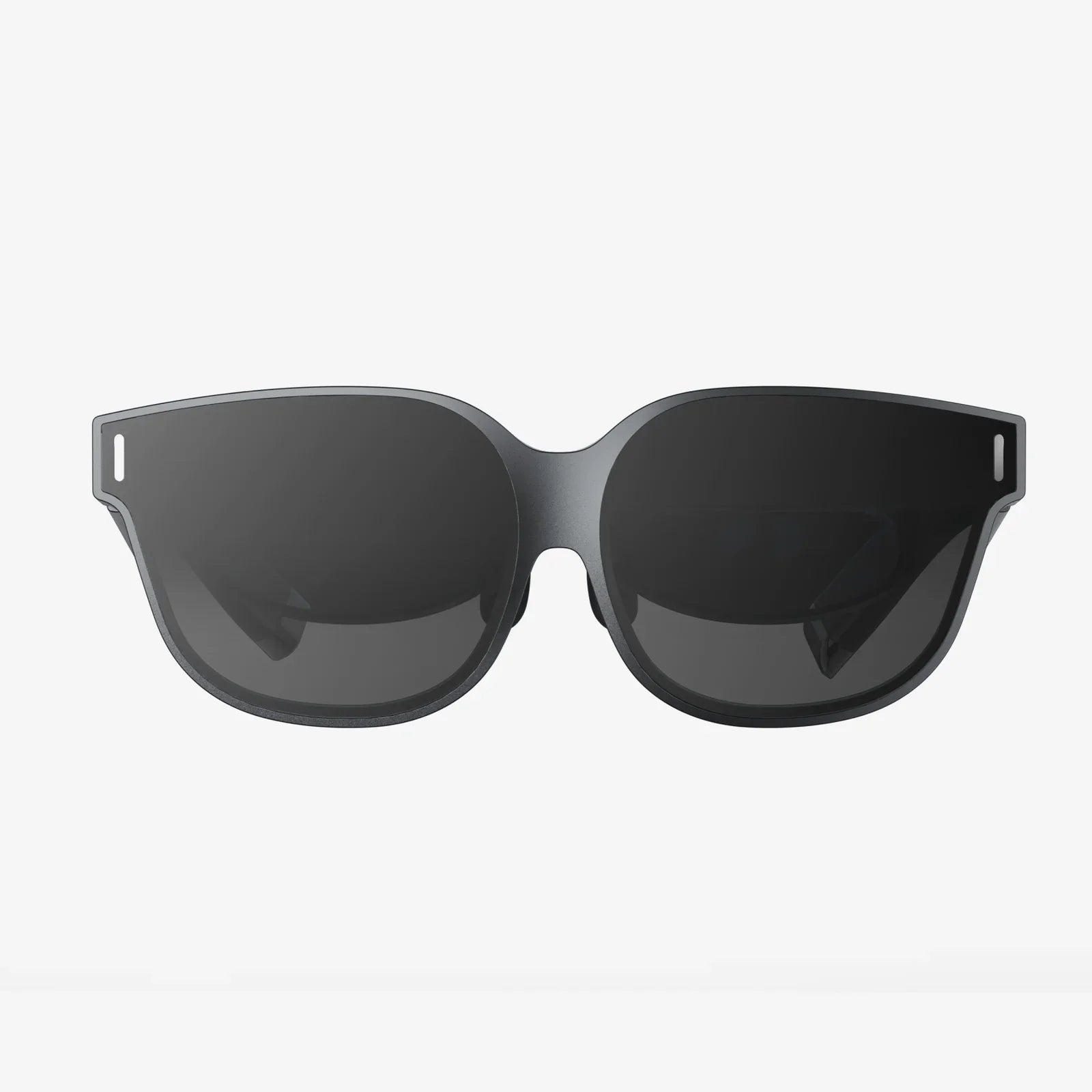
Imagine slipping a universe into your pocket. Not long ago, the idea of high-fidelity virtual reality was confined to science fiction and prohibitively expensive, high-end hardware. Today, that gateway to other worlds is as close as the device in your pocket and an affordable piece of plastic and glass. The fusion of VR goggles and cell phones has not just democratized virtual reality; it has unleashed a wave of creativity, accessibility, and sheer wonder, making immersive experiences available to millions. This is the story of how two ubiquitous technologies merged to create something truly magical, redefining entertainment, education, and connection along the way.
The Genesis of a Revolution: From Novelty to Mainstream
The concept was deceptively simple: utilize the powerful computer, high-resolution display, and sophisticated motion sensors already embedded in modern smartphones to create a virtual reality experience. Early iterations were rudimentary, often little more than cardboard holders with lenses. Yet, they captured the public's imagination, proving that the barrier to VR wasn't necessarily a lack of consumer interest, but a lack of consumer access. This approach cleverly sidestepped the need for expensive dedicated screens, processors, and external tracking systems, placing the entire computational burden on a device people upgraded every few years anyway.
The true genius of this symbiosis lies in its efficiency. The smartphone is the engine; the VR goggles are the chassis. The phone's gyroscope and accelerometer track head movement with impressive accuracy, its high-PPI screen provides the visual canvas, and its processor renders the immersive environments. The goggles themselves provide the essential optics—lenses that warp and focus the screen's image to fill your field of view—and a crucial element: isolation. By blocking out the external world, they complete the illusion, transporting your mind from your living room to a virtual cockpit, a prehistoric landscape, or the surface of Mars.
The Hardware Ecosystem: More Than Meets the Eye
While the concept is simple, the execution has evolved into a sophisticated spectrum of hardware. The market offers a wide range of options, catering to different levels of commitment and quality.
- The Basic Viewer: These are the descendants of the original cardboard designs. Constructed from lightweight materials like plastic or reinforced cardboard, they focus on affordability and portability. They typically feature adjustable lenses to match your inter-pupillary distance and a simple head strap. Their functionality is often limited to head tracking, but they serve as a perfect, low-cost introduction to VR.
- The Advanced Holder: This middle ground incorporates more comfort and features. They often include padded head straps, better ventilation to reduce lens fogging, and crucially, an external controller. This Bluetooth controller, paired with the phone, allows for interaction within the virtual world, moving experiences from passive 360-degree video watching to active gaming and exploration. This addition dramatically expands the library of available content.
- The Hybrid Powerhouse: Some headsets blur the line between simple holders and more powerful standalone systems. They may include additional sensors for improved positional tracking, integrated headphones for immersive audio, and larger batteries that can even charge your phone during extended sessions, combating the one major drawback: power consumption.
This tiered system ensures there is an entry point for every user, from the curious novice to the enthusiastic hobbyist, all powered by the same core device.
A Universe of Content: What Can You Actually Do?
The hardware is merely a vessel; the content is the destination. The app ecosystems for mobile operating systems are bursting with experiences designed specifically for VR goggles cell phone setups. The diversity is staggering.
Gaming and Interactive Experiences
This is where mobile VR truly shines. The library ranges from simple roller coaster simulators that leverage the phone's sensors for a thrilling, if nauseating, ride, to deeply engaging puzzle games, atmospheric horror titles, and even rhythm games where you slash notes to the beat in a world of light and color. These experiences are designed to be engaging without requiring the complex external sensor arrays of PC-based VR, proving that compelling gameplay can thrive within the constraints of mobile hardware.
Cinematic Immersion
Imagine having a personal IMAX theater wherever you go. Video apps allow you to watch traditional movies on a giant virtual screen, as well as explore a rapidly growing library of 360-degree videos. You can stand beside athletes on the field, witness news events from the center of the action, or enjoy live concerts from the best seat in the house. This medium creates a powerful sense of presence that flat screens cannot replicate.
Education and Exploration
Perhaps the most profound application is in education. Students can take virtual field trips to the Louvre, the International Space Station, or ancient Roman ruins. They can dissect a virtual frog, explore the human circulatory system from the inside, or witness historical events unfold around them. This experiential learning creates lasting memories and a deeper understanding of complex subjects.
Social Connection and Creativity
Social platforms allow users to meet friends in virtual spaces, watch movies together, play games, or simply chat as personalized avatars. Furthermore, creative apps enable users to paint and sculpt in three dimensions, designing artwork that exists in a virtual space. This transforms the phone from a communication tool into a portal for shared experiences and artistic expression.
The Inevitable Challenges and Limitations
For all its promise, the VR goggles cell phone paradigm is not without its drawbacks. The experience is inherently tied to the capabilities of the phone itself. Lower-resolution displays can lead to a "screen door effect," where users can perceive the gaps between pixels. Less powerful processors may struggle with complex graphics, resulting in lag or a lower frame rate, which can break immersion and, for some, induce motion sickness.
Battery life is a constant concern. Rendering two high-resolution perspectives and powering the sensors is incredibly taxing, often draining a full charge in under two hours. Furthermore, the weight of the phone, often strapped to the front of your face, can cause discomfort during long sessions, and the lack of active cooling can lead to performance throttling as the device overheats.
Finally, the experience is generally considered three degrees of freedom (3DoF)—meaning it tracks rotational movement (pitch, yaw, roll) but not translational movement (leaning side-to-side or moving through space). This limits physical interaction compared to high-end systems that offer full six degrees of freedom (6DoF).
The Future is in Your Pocket
Despite these limitations, the trajectory is clear and exciting. As smartphone technology continues to advance—with faster chips, higher-resolution OLED displays, better batteries, and more sophisticated sensors—the quality of mobile VR will rise in lockstep. We can anticipate lighter, more comfortable, and more feature-rich headsets designed to harness this increasing power.
The line between mobile and dedicated VR may continue to blur. We might see headsets with supplementary processing power or inside-out tracking cameras that work in concert with the phone to deliver a 6DoF experience. The potential integration with emerging technologies like 5G could enable cloud-based VR, streaming incredibly complex experiences directly to the headset without taxing the phone's hardware at all.
The VR goggles cell phone combination has already succeeded in its most important mission: it has brought virtual reality to the people. It has served as the foundational experience for a generation of users and developers, proving the market and fueling innovation. It has shown that you don't need a supercomputer and a dedicated room to escape reality; you just need a spark of curiosity and the device you already own.
Your next great adventure isn't waiting in a store for a thousand dollars; it's waiting in your pocket, ready to be unlocked with a simple click into a headset. The portal to countless worlds is already in your hand, a testament to the incredible power we carry with us every day, now waiting to transform your perception of what's possible.
Share:
Largest Wearable Technology Companies Shaping Our Connected Future
Wearable Computer Device The Silent Revolution on Your Wrist and Beyond