


- by wangfred
Wearable Computer Device The Silent Revolution on Your Wrist and Beyond
- by wangfred
Imagine a world where your watch doesn't just tell time, it tells you you're getting sick before you feel the first symptom. Where your glasses don't just correct your vision, they overlay a digital universe onto the physical one. Where a device on your wrist can detect a fall and call for help, or sense rising stress and guide you through a breathing exercise. This isn't science fiction; it's the unfolding reality of the wearable computer device, a technological evolution that is moving from our pockets to our persons, creating a more intimate, responsive, and powerful connection between humans and machines.
The dream of wearable technology is not new. For decades, visionaries and engineers have imagined integrating computation into our daily attire. The journey began with rudimentary devices like the calculator watch of the 1980s—a novelty that hinted at future potential. In the early 2000s, the rise of Bluetooth headsets offered a glimpse of wireless, on-body connectivity, though often at the expense of social etiquette. The true catalyst for the modern era was the convergence of several key technologies: miniature low-power sensors, ubiquitous wireless connectivity, powerful mobile operating systems, and a cultural shift towards quantified self-movement. This perfect storm transformed the wearable computer device from a niche gadget for tech enthusiasts into a mainstream consumer product focused initially on health and fitness.
Today's devices are marvels of miniaturization, packing a suite of sophisticated technologies into a form factor small enough to be worn all day.
The heart of the modern wearable is its sensor array. An optical heart rate sensor uses photoplethysmography (PPG), shining light onto the skin and measuring blood volume changes to determine pulse. An accelerometer and gyroscope track movement, distinguishing between a step, a swim stroke, and a night of restless sleep. The latest generation of devices includes electrocardiogram (ECG) sensors that can detect atrial fibrillation, blood oxygen saturation (SpO2) monitors, skin temperature sensors, and even continuous glucose monitors (CGMs). This shift from tracking activity to monitoring vital health signs represents a fundamental leap in capability and purpose.
Raw sensor data is useless without interpretation. A tiny, highly efficient microprocessor within the device acts as its brain, running algorithms that convert light and motion signals into meaningful information like heart rate, sleep stages, and exercise calories. This data is then synced via low-energy Bluetooth to a companion application on a smartphone, which provides a more powerful platform for deep analysis, long-term trend tracking, and user interface. Many devices also incorporate GPS for mapping outdoor activities without needing a phone and NFC for contactless payments, turning a watch into a wallet.
Perhaps the greatest engineering challenge has been power management. A device that needs daily charging becomes a chore, reducing its utility. Manufacturers have made incredible strides in efficiency, optimizing software and hardware to extend battery life from a single day to a week or more for some models. Innovations in low-power display technology, such as always-on retinal and memory-in-pixel screens, ensure key information is available at a glance without a battery-draining full-power activation. Furthermore, new charging solutions, including solar charging rings and ultra-fast charging capabilities that provide a full day's power in minutes, are effectively eliminating battery anxiety.
This is where the wearable computer device transitions from a lifestyle product to a potentially life-saving tool. The implications for proactive healthcare are staggering.
By collecting longitudinal data—information tracked consistently over time—these devices create a unique baseline for each individual. Doctors are no longer relying on a single data point from an annual check-up but can see trends and anomalies. A resting heart rate that trends upward over weeks could indicate overtraining or the onset of an illness. Consistently low blood oxygen levels during sleep can be a strong indicator of sleep apnea. Researchers are actively developing algorithms that can use this aggregate data to predict events like hypertension, diabetes, and even the risk of falling in elderly populations.
Wearables are revolutionizing the management of chronic conditions. For patients with cardiac issues, a wearable ECG monitor provides continuous, real-world data to their cardiologist, offering a far more complete picture than a short-term Holter monitor. For diabetics, CGMs integrated into wearables can provide constant glucose readings, alerting them to dangerous highs or lows without the need for finger-prick tests. This allows for more precise medication management and empowers patients to take control of their health. It also enables remote patient monitoring, reducing hospital readmissions and allowing clinicians to intervene before a minor issue becomes a major crisis.
By putting powerful diagnostic tools on the wrist at a relatively low cost, wearable technology has the potential to democratize access to basic healthcare. People in underserved or rural areas can perform a ECG or assess their blood oxygen levels without traveling to a distant clinic. This can lead to earlier diagnoses and better health outcomes on a global scale.
While wrist-worn devices dominate the market, innovation is flourishing across the human body.
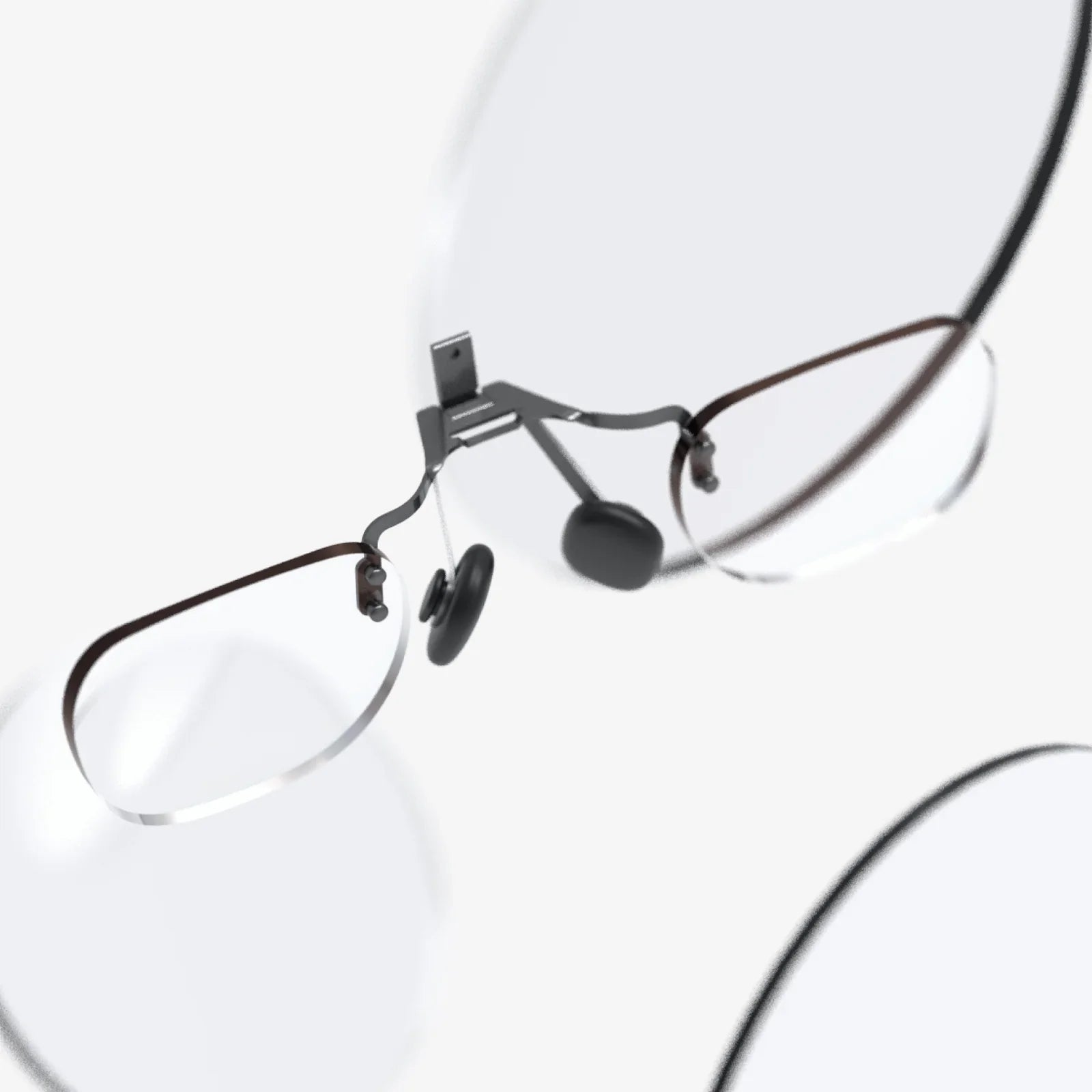
Smart glasses aim to superimpose digital information onto the real world. For enterprise, this means a technician can see a schematic overlaid on the machine they are repairing, or a warehouse worker can see picking instructions without looking down at a scanner. For consumers, it could mean getting navigation directions superimposed on the street or seeing translated subtitles in a foreign country in real-time. The goal is to keep the user present in their environment while providing contextual information seamlessly.
Earbuds have evolved far beyond music playback. They are becoming a primary, discreet interface for digital assistants. With features like active noise cancellation (ANC), transparency mode, and integrated biometric sensors, they can create personalized soundscapes, enhance hearing, and even track core body temperature during a workout. They represent a move towards technology that is heard, not seen.
The next frontier is embedding technology directly into the materials we wear. Smart shirts with woven-in sensors can provide detailed ECG readings across the chest. Adhesive patches can monitor specific vital signs for days or weeks at a time, transmitting data wirelessly. This represents the ultimate goal: the complete invisibility of the computer, where the device itself disappears, and only its function remains.
This intimate relationship with technology does not come without significant risks and questions that society must address.
Wearables collect the most intimate data possible: the inner workings of your body. Who owns this data? Is it you, the device manufacturer, the app developer, or your insurance company? The potential for misuse is enormous. Data could be sold to third parties, used for targeted advertising, or, in a worst-case scenario, used by employers or insurers to discriminate based on health predispositions. Robust, transparent data governance and strong regulatory frameworks are absolutely critical to the future of this industry.
While these devices are powerful, most are classified as wellness devices, not medical-grade diagnostic tools. The algorithms, while sophisticated, are not infallible. False positives (alerting to a condition that isn't there) can cause unnecessary anxiety and burden healthcare systems with worried well patients. False negatives (missing a real condition) could create a dangerous false sense of security. Ongoing independent validation and clear communication to users about the limitations of these devices are essential.
If health insights become increasingly reliant on these devices, a new form of inequality could emerge between those who can afford them and those who cannot. Furthermore, if the algorithms are trained primarily on data from homogeneous populations, they may be less accurate for people of different ethnicities, body types, or genders, perpetuating existing health disparities.
The trajectory is clear: wearables will become more powerful, more integrated, and less obtrusive. We are moving towards a future of contextual and ambient computing, where your device understands your situation and anticipates your needs without being asked. It might suggest you take a break because it detects cognitive fatigue, or automatically adjust your home's thermostat based on your body temperature. The line between the biological self and the digital self will continue to blur, with wearables acting as the bridge. The ultimate goal is technology that enhances human capability without demanding our attention—a true cognitive partner that works in the background to make us healthier, safer, and more connected to the world around us.
The device on your wrist is quietly compiling the story of your life in data—a narrative of health, movement, and rest. It’s learning your rhythms to warn you of discord. This is just the first chapter. As these technologies fuse ever deeper with our biology, they promise a future where our gadgets are not just tools we use, but guardians that know us better than we know ourselves, offering not just information, but foresight and well-being, fundamentally redefining what it means to live a connected life.