


- by wangfred
VR Head Mounted Display: A Portal to New Realities and Its Transformative Potential
- by wangfred
Imagine slipping on a device and instantly being transported—to the surface of Mars, the front row of a concert happening across the globe, or into a training simulation that feels indistinguishable from reality. This is no longer the stuff of science fiction; it's the power of the modern VR head mounted display, a technological marvel that is fundamentally reshaping our perception of experience and possibility.
The concept of virtual reality is far older than the technology that enables it. For decades, storytellers and inventors dreamed of creating fully immersive, simulated environments. The journey of the head mounted display began not with polygons and pixels, but with mechanical systems and ambitious prototypes that were cumbersome, expensive, and limited in capability. These early iterations, often confined to university labs and military research facilities, proved the concept was possible, even if the consumer market was decades away. They laid the crucial groundwork, establishing the core principle: that by isolating the user's vision and hearing and replacing them with digital counterparts, a powerful sensation of 'presence'—the feeling of actually being in another place—could be achieved.
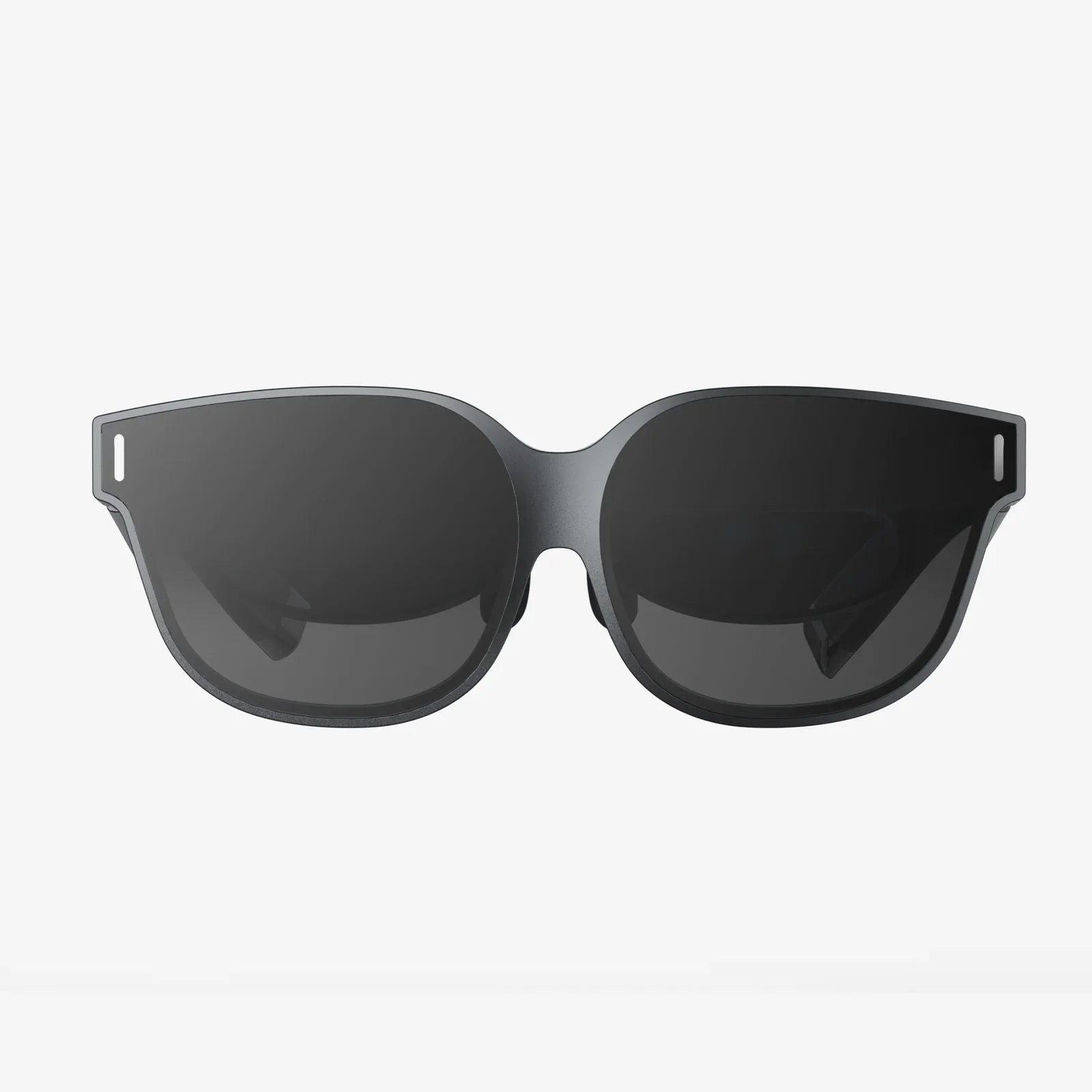
A contemporary VR head mounted display is a symphony of advanced technology packed into a wearable form factor. Its primary mission is to trick the human brain, and this requires a sophisticated interplay of hardware and software.
At its heart are two high-resolution displays, one for each eye, which present slightly offset images to create a stereoscopic 3D effect. These are viewed through specialized optical lenses that focus and reshape the image to fill the user's field of view. The quality of these components is paramount; higher resolutions reduce the 'screen door effect' (where users can perceive the gaps between pixels), while advanced lenses help to minimize visual distortions and god rays. The pursuit of visual fidelity is a constant driver of innovation in this field.
For immersion to hold, the virtual world must respond naturally to the user's movements. This is achieved through intricate tracking systems. Inside-out tracking uses integrated cameras on the headset itself to map the physical environment and understand the headset's position within it. Outside-in tracking, historically using external sensors placed around the room, provides highly precise positional data. Furthermore, controllers equipped with sensors are tracked to bring the user's hands into the virtual world, enabling interaction, manipulation, and gesture-based control.
Spatial audio is a critical, often underestimated, component of immersion. Unlike standard stereo sound, spatial audio mimics how sound waves behave in the real world, allowing users to pinpoint the direction and distance of a sound. This makes a virtual environment feel alive and believable. Complementing this is haptic feedback, which provides a sense of touch. This can range from simple vibrations in controllers to more advanced vests and gloves that simulate the impact of a virtual object or the texture of a surface.
While gaming remains a primary and incredibly popular application, the utility of VR headsets extends far beyond entertainment, permeating and revolutionizing numerous professional fields.
In education, VR offers unparalleled experiential learning. Medical students can perform virtual dissections and practice complex surgical procedures without risk. History classes can take immersive tours of ancient Rome. Astronauts and pilots train for missions in high-fidelity simulators. This hands-on, first-person approach dramatically improves knowledge retention and skill acquisition.
The concept of the office is being redefined. VR headsets enable persistent virtual workspaces where colleagues from across the planet can meet as lifelike avatars, interact with 3D models, and brainstorm on virtual whiteboards as if they were in the same room. This promises a future of remote collaboration that is far more engaging and productive than traditional video calls.
The therapeutic potential of VR is vast. It is being successfully used for exposure therapy to treat phobias and PTSD, allowing patients to confront triggers in a safe, controlled environment. It aids in physical rehabilitation by turning exercises into engaging games, and helps manage chronic pain by distracting the brain with calming or engaging virtual experiences.
Despite its incredible potential, the path forward for VR is not without obstacles. Technical limitations like the vergence-accommodation conflict—where the eyes struggle to focus on virtual objects at different depths—can cause eye strain and fatigue for some users. Motion sickness, often caused by latency between a user's movement and the visual update on the screen, remains a significant barrier to adoption for a portion of the population.
Furthermore, the very immersiveness that makes VR so powerful raises important ethical and social questions. Issues of data privacy, as headsets can collect detailed biometric and behavioral data, need clear guidelines. The potential for addiction and the long-term psychological effects of spending extended periods in virtual worlds are areas requiring ongoing study. There is also a risk of a new digital divide, where access to this transformative technology is not equitable.
The evolution of the VR head mounted display is accelerating at a breathtaking pace. We are moving towards devices that are lighter, wireless, and more comfortable for extended use. The resolution of displays will continue to climb towards 'retinal' quality, making virtual visuals indistinguishable from reality. The integration of eye-tracking and facial expression tracking will enable more expressive and natural avatars, deepening social connections in virtual spaces.
The ultimate goal on the horizon is the development of true augmented reality (AR) and mixed reality (MR) glasses that seamlessly blend the digital and physical worlds. Imagine seeing navigation arrows on the street in front of you, or having a virtual assistant appear in your living room. The VR headset is the crucial proving ground for the technologies that will make this future possible, teaching us how to interface with and navigate digital dimensions.
The humble VR head mounted display is more than just a gaming peripheral; it is the first true window into the metaverse and the next great computing platform. It represents a fundamental shift in how we create, communicate, and experience reality itself. As the technology becomes more refined, accessible, and integrated into our daily lives, its potential to connect us, teach us, and expand the very boundaries of human experience is truly, and utterly, limitless. The portal is open, and a new dimension of human potential awaits on the other side.
Share:
AR Foundation Compatible Devices: Your Ultimate Guide to Cross-Platform AR Development
XR Meaning: Exploring the Spectrum of Extended Reality and Its Impact on Our World