


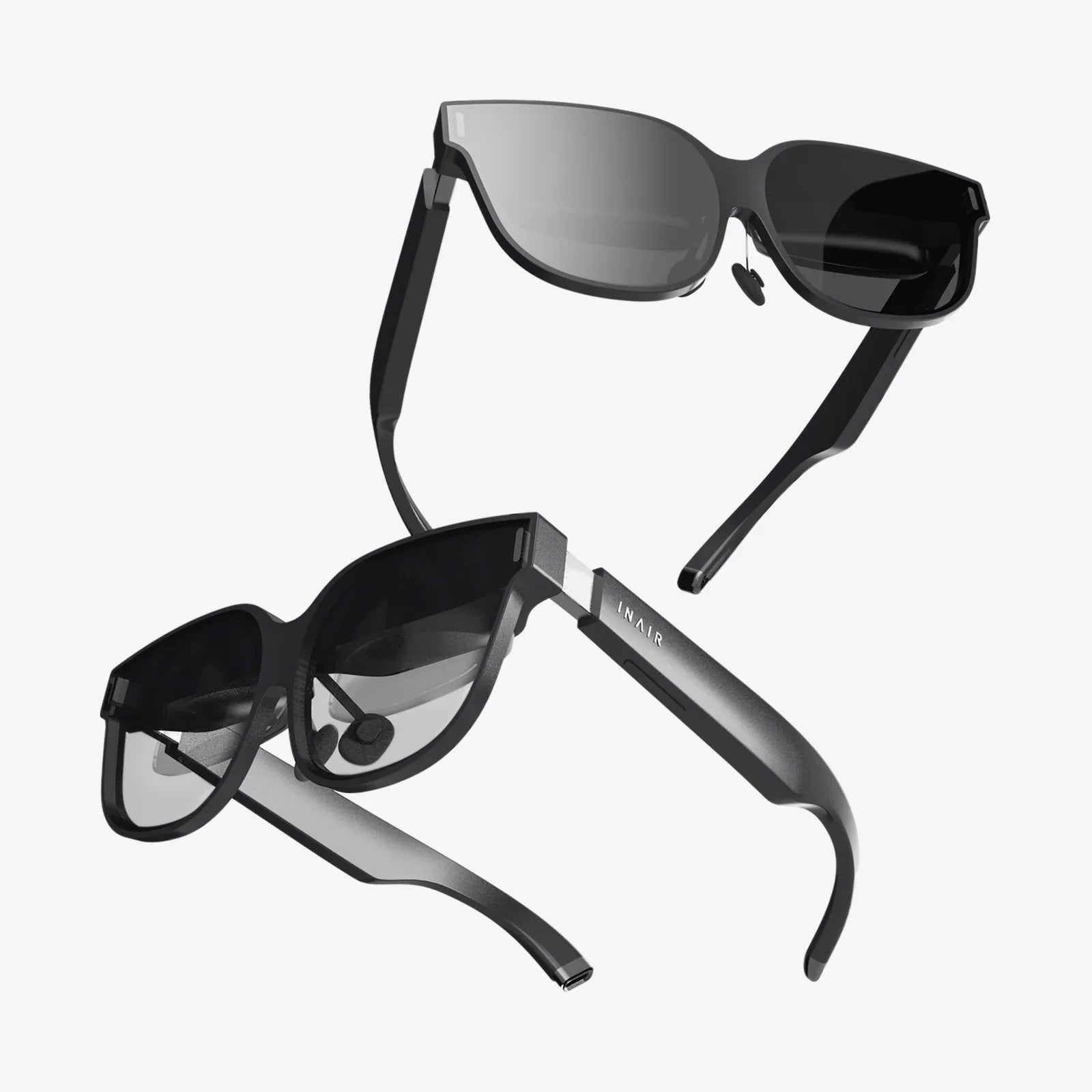
Imagine a world where the boundary between the digital and the physical dissolves, where you can sculpt virtual clay with your bare hands, explore the surface of Mars from your living room, or sit across a conference table from colleagues who are continents away. This is no longer the realm of science fiction; it is the burgeoning reality being built today, brick by digital brick, through the powerful and symbiotic partnership of the VR headset and handset. This dynamic duo is not just changing how we play games; it is fundamentally reshaping communication, design, education, and our very perception of reality itself. The journey into these immersive worlds begins the moment you strap on the headset and pick up the controllers, unlocking a universe of potential that is as limitless as human imagination.
The Indispensable Partnership: More Than the Sum of Its Parts
At first glance, a virtual reality system might seem to be all about the headset. It is the most visible component, the gateway that occludes the physical world and replaces it with a digital one. However, to view the headset in isolation is to miss half the story. The handset, or motion controller, is the critical bridge that allows our physical selves to interact with these meticulously crafted virtual environments. Without it, we are merely observers in a foreign land, tourists behind a glass wall. The handset grants us agency, turning a panoramic movie into a living, breathing world we can touch, manipulate, and influence.
This relationship is one of profound symbiosis. The headset acts as the brain and eyes of the operation. Its high-resolution displays, precise head-tracking sensors, and sophisticated lenses are responsible for rendering a convincing and comfortable visual experience. It answers the question: "Where am I and what do I see?" Simultaneously, the handset functions as the user's hands and arms within this space. Using a combination of inertial measurement units (IMUs), optical sensors, and sometimes ultrasonic or electromagnetic tracking, it translates the user's real-world gestures, reaches, and manipulations into fluid, intuitive actions inside the virtual world. It answers the question: "What can I do here?"
This seamless integration is what creates the phenomenon known as presence—the elusive and powerful sensation of actually being in the virtual space. When you reach out to push a virtual button and your digital finger presses it with haptic feedback that mimics the sensation of touch, the illusion becomes complete. The brain accepts the reality of the experience because the feedback loops between vision, proprioception (the sense of self-movement), and touch are closed perfectly by the coordinated efforts of the headset and handset.
A Journey Through Time: The Evolution of Interaction
The path to today's sophisticated systems has been one of relentless innovation. Early commercial attempts at virtual reality were often hampered by clunky, imprecise controllers that struggled to translate user intent, leading to a disjointed and sometimes nauseating experience. The headsets themselves were heavy, low-resolution, and suffered from high latency, causing a lag between head movement and the world updating on-screen.
The modern era was catalyzed by several key advancements. The smartphone industry proved to be an unexpected but tremendous benefactor. The mass production of high-density, low-latency OLED displays, miniature high-performance gyroscopes, and accelerometers—all initially developed for phones—drastically reduced the cost and improved the quality of the components essential for VR headsets. Suddenly, high-fidelity tracking and clear visuals became economically viable for the consumer market.
Similarly, the evolution of handsets has been revolutionary. We moved from simple joystick-like controllers to those with individual finger tracking, allowing for natural gestures like pointing, grabbing, and waving. The latest generation of technology has introduced:
- Inside-Out Tracking: Early systems required external sensors or base stations placed around the room to track the position of the headset and controllers. Modern inside-out tracking uses cameras embedded on the headset itself to map the room and track the controllers simultaneously, creating a completely self-contained and portable system with a much simpler setup.
- Advanced Haptics: Gone are the days of simple rumble. Sophisticated haptic engines can now simulate a startling array of textures and sensations, from the gentle brush of a butterfly's wing to the jarring recoil of a virtual tool.
- Force Feedback and Adaptive Triggers: Some controllers can physically resist your grip or change the pressure required to pull a trigger, simulating the tension of drawing a bowstring or the feel of squeezing a stress ball.
- Eye and Facial Tracking: Integrated into high-end headsets, this technology allows avatars to make natural eye contact and show expressions, adding a crucial layer of non-verbal communication and social presence to virtual meetings and gatherings.
Beyond Gaming: The Expansive Universe of Applications
While gaming remains a powerful driver of adoption and technological push, the true potential of the VR headset and handset lies in its transformative applications across countless other fields.
Enterprise and Professional Design
Architects and engineers are using VR to walk clients through unbuilt structures, identifying design flaws and making changes in real-time with a wave of a handset. Automotive designers can sculpt 1:1 scale 3D models of new car concepts, examining ergonomics and aesthetics in a way a flat screen could never allow. The ability to manipulate complex 3D data intuitively saves millions in prototyping costs and dramatically accelerates development cycles.
Education and Training
Medical students can practice intricate surgical procedures on virtual patients, gaining valuable muscle memory and experience without risk. Mechanics can learn to repair complex machinery by taking apart and reassembling virtual engines. History classes can take field trips to ancient Rome, walking through the Forum and experiencing the scale and grandeur firsthand. This experiential learning, facilitated by the direct manipulation of the handset, leads to significantly higher retention and understanding.
Remote Collaboration and Social Connection
The concept of the "metaverse" is predicated on the idea of shared virtual spaces. With a VR headset and handset, colleagues from around the globe can meet around a virtual whiteboard, brainstorming ideas and manipulating 3D models as if they were in the same room. Friends can attend virtual concerts together, their avatars' hands waving in sync with the music. This technology promises to make distance irrelevant, fostering a new kind of presence-based connection that video calls cannot replicate.
Healthcare and Therapy
VR is being used for revolutionary therapeutic applications. It is effectively treating phobias through controlled, safe exposure therapy. Patients undergoing painful physical therapy or medical procedures use immersive VR experiences to distract from discomfort and reduce perceived pain levels. The handset is key here, often used in rehabilitation exercises that turn repetitive motions into engaging games, improving patient motivation and outcomes.
Gazing into the Crystal Ball: The Future of the Duo
The trajectory of this technology points toward even greater integration and immersion. We are moving toward a future where the headset and handset may not even be separate entities as we know them today.
The next frontier is undoubtedly full-body avatars and photorealistic social interaction. As eye and facial tracking become standard, and as haptic technology evolves to cover more of the body (through gloves, suits, etc.), our digital representations will become indistinguishable from our real selves in communication.
Furthermore, the line between the devices will continue to blur. Research into neural interfaces suggests a future where we may be able to control digital interfaces through thought alone, reducing the need for physical controllers. However, the fundamental principle will remain: the need for intuitive, natural input to complement immersive output. The handset, in some form, will likely persist as the most effective way to translate human dexterity into the digital realm for the foreseeable future.
Finally, the push for accessibility and comfort will continue. Lighter, smaller headsets with all-day battery life and resolution matching human visual acuity will become the norm. Handsets will become even more ergonomic and precise, perhaps even offering tactile feedback that can simulate temperature and finer textures. The goal is to make the technology disappear, allowing the user to focus entirely on the experience and the people within it, not the hardware enabling it.
The magic doesn't lie in the sleek plastic of the headset or the ergonomic curves of the handset; it lives in the space they create together. It's in the ability to heal, to teach, to create, and to connect in ways previously confined to our dreams. This is not just about better technology; it's about building better realities. The revolution will not be televised; it will be lived, felt, and shaped by our own hands, waiting for you to reach out and grab it.
Share:
VR Headset Suggests May Be Securing Your Digital Future
AR Headset News 2025: The Year the Digital and Physical Worlds Truly Merged