


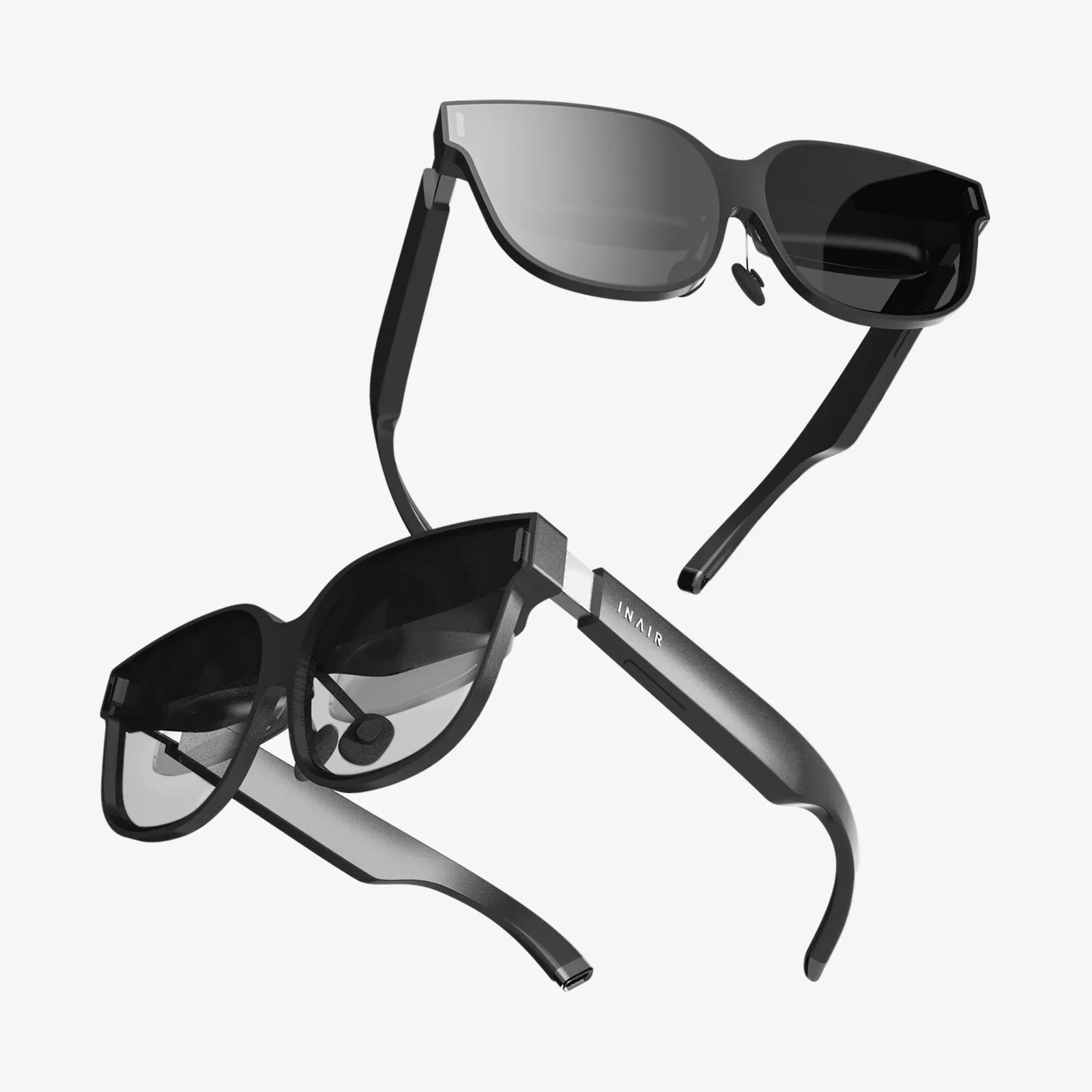
Imagine stepping through a portal in your own living room, leaving the familiar confines of your home for a breathtaking alien landscape, the front row of a concert thousands of miles away, or a virtual meeting room where colleagues appear as lifelike avatars. This is no longer the stuff of science fiction; it's the daily reality for a growing number of households, all thanks to the powerful, accessible technology of a VR headset at home. This single device is rapidly evolving from a niche gaming peripheral into a comprehensive platform for entertainment, fitness, productivity, and social connection, fundamentally reshaping our domestic spaces and how we interact with the digital world.
The Evolution of the Home Virtual Space
The journey of virtual reality from a clunky, expensive concept to a sleek, consumer-friendly device is a remarkable story of technological acceleration. Early iterations were confined to research labs and required immense computing power and financial investment. Today, the modern VR headset at home represents a triumph of miniaturization, optics, and user experience design. These devices fall into several categories, primarily standalone units that require no external computer and are incredibly easy to set up, and PC-connected variants that offer the highest fidelity experiences for enthusiasts. This democratization of technology means that high-quality immersive experiences are now available to anyone with a curious mind and a bit of clear floor space.
Unlocking Unparalleled Entertainment and Gaming
For many, the initial draw of a VR headset at home is the promise of a new dimension in gaming. Traditional screen-based games are transformed into fully embodied experiences. Instead of pressing a button to swing a sword, you physically swing your arm. Instead of using a thumbstick to look around a corner, you cautiously peer around it with your own head. This level of immersion creates a powerful sense of presence—the genuine feeling of "being there"—that flat screens cannot replicate.
The library of available experiences is vast and diverse. You can:
- Step into the shoes of a Jedi Knight, deflecting blaster bolts with a crackling lightsaber.
- Solve intricate, environmental puzzles in mysterious, otherworldly settings.
- Experience heart-pounding horror titles where the fear is visceral and immediate.
- Attend live virtual events, from music festivals to sporting events, sharing the experience with friends from around the globe.
This is more than just playing a game; it's about living inside a story, making the living room the stage for countless adventures.
Transforming Your Living Room into a Fitness Studio
One of the most surprising and impactful applications for a VR headset at home has been in the realm of health and fitness. "Active VR" has exploded in popularity, turning exercise into an engaging and fun activity. A plethora of applications are designed to get users moving, sweating, and improving their cardio health without ever feeling like a chore.
These fitness experiences are incredibly effective because they leverage the psychological principle of distraction. You're so focused on slashing incoming blocks to the rhythm of music, or ducking and weaving to throw punches at abstract opponents, that you forget you're engaging in a high-intensity workout. Many applications provide detailed metrics—calories burned, heart rate, and workout history—allowing users to track their progress and stay motivated. The convenience of having a personal, immersive gym available at any time, regardless of weather or gym hours, removes significant barriers to maintaining a consistent fitness routine.
Revolutionizing Remote Work and Collaboration
The post-pandemic world has normalized remote work, but video conferencing platforms often feel like a poor substitute for in-person collaboration. A VR headset at home offers a compelling alternative. Virtual meeting spaces allow colleagues to gather as expressive avatars around a virtual whiteboard, manipulate 3D models together in real-time, and benefit from the non-verbal cues that are lost on a flat video grid.
This technology enables a new form of spatial computing. Imagine an architect walking a client through a full-scale 3D model of a new building design, or a medical student studying human anatomy by examining a life-sized, interactive hologram of the human heart. The potential for specialized training, remote assistance, and complex design work is immense, turning any home office into a gateway for profound professional collaboration.
The New Social Sphere: Connecting from the Couch
Beyond work, VR is fostering a new kind of digital social interaction. Social VR platforms are essentially virtual parks, cinemas, and lounges where people can meet, talk, play games, and watch movies together. The sense of shared space is powerful; you can sit on a virtual couch next to a friend who is physically located on another continent, feeling as if you are in the same room.
This application of a VR headset at home has profound implications for combating loneliness and maintaining long-distance relationships. It provides a sense of togetherness that phone calls and text messages cannot, offering a shared activity and a palpable sense of presence. For many, these virtual spaces have become vital digital third places, communities where they can relax and connect with like-minded individuals.
Practical Considerations for Your Domestic Setup
Integrating this technology into your home does require some forethought. The most important factor is safety. Most systems require you to define a "guardian" or "play area"—a clear boundary within your physical space to prevent collisions with walls and furniture. Ensuring this area is free of tripping hazards is paramount.
Comfort is another crucial element, especially for longer sessions. Modern headsets are increasingly ergonomic, but taking regular breaks is essential to avoid eye strain and disorientation, particularly for new users. Storage is also a consideration; having a dedicated, safe spot to store the headset and its controllers will protect your investment and keep your space tidy.
Navigating the Challenges and Looking Ahead
Despite the excitement, the technology is not without its challenges. The cost of entry, while decreasing, is still a barrier for some. A minority of users experience simulation sickness, akin to motion sickness, though advancements in hardware and software are steadily mitigating this issue. Furthermore, as with any connected technology, questions about data privacy, security, and the long-term social effects of deep immersion in virtual worlds are important topics for ongoing discussion.
Yet, the future is dazzlingly bright. We are moving towards headsets that are lighter, more powerful, and with even higher-resolution displays. The development of haptic feedback gloves and suits will deepen the sense of tactile immersion. The eventual convergence of VR and Augmented Reality (AR) into Mixed Reality (MR) will allow digital objects to blend seamlessly with our physical environment, turning our entire home into an interactive canvas.
The humble living room is being reimagined. With a VR headset at home, it can become a gateway to any experience imaginable. It’s a gym, a cinema, a conference room, a social club, and an escape hatch to fantastical worlds, all waiting for you to put on a headset and take the leap. The next great adventure isn't out there somewhere—it's right here, waiting to be unlocked.
Share:
Best VR Headset for iPhone: Your Ultimate Guide to Mobile Immersion
Android XR Supported Devices: Your Ultimate Guide to the Extended Reality Ecosystem