


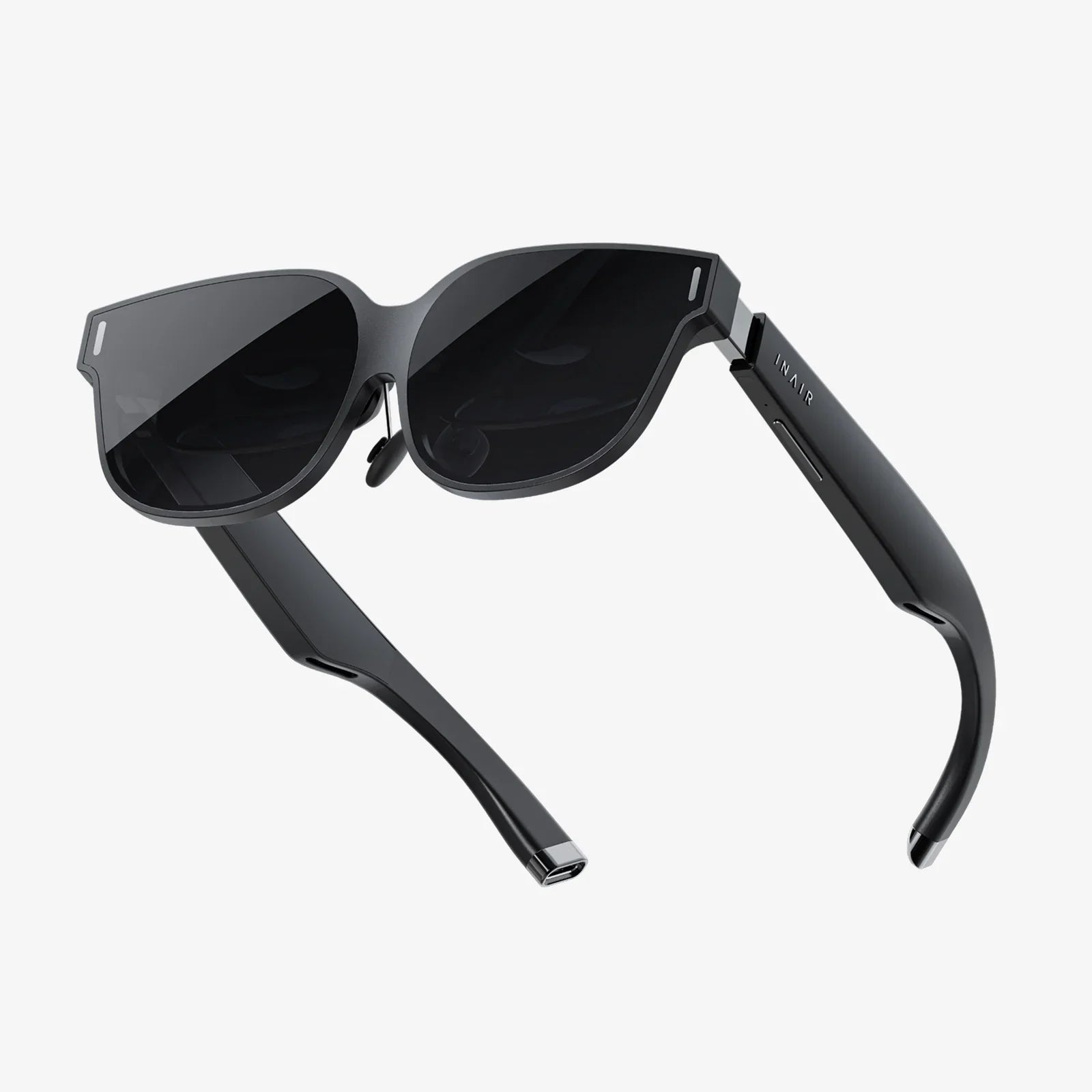
- by wangfred
VR Headset Between $100 and $250: Your Ultimate Guide to Affordable Immersion
- by wangfred
Imagine strapping on a device and instantly being transported to a front-row concert seat, a serene beach thousands of miles away, or the cockpit of a starship hurtling through the cosmos. This is no longer the stuff of science fiction, but a reality accessible to millions, thanks to the exciting and rapidly evolving market of affordable virtual reality. For those curious about diving into VR without a staggering initial investment, the sweet spot between $100 and $250 offers a surprising array of powerful and immersive options. This guide will demystify this crucial price segment, exploring what you can truly expect, the different types of headsets available, and how to choose the perfect portal to new worlds that fits both your dreams and your budget.
Gone are the days when experiencing virtual reality required a high-end gaming computer and a headset costing well over a thousand dollars. The segment between $100 and $250 has matured dramatically, bridging the gap between simple smartphone-based viewers and premium, tethered devices. Headsets in this range are often referred to as "standalone" or "all-in-one" VR, meaning they have all the necessary computing power, sensors, and displays built directly into the headset itself. This eliminates the need for external phones, wires, or powerful PCs, offering a truly wireless and convenient user experience.
The core appeal of this category is its accessibility. It lowers the barrier to entry, allowing a much broader audience to explore gaming, social connectivity, fitness, and educational content in VR. While they may not boast the absolute highest graphical fidelity found on top-tier devices, the technology inside is remarkably capable, providing convincing immersion, robust tracking, and access to vast libraries of content.
Within the $100 to $250 bracket, you will primarily encounter one type of device, but it's important to understand the distinction to set the right expectations.
This is the dominant force in this price category. A standalone VR headset is a completely self-contained system. Think of it as a specialized, wearable computer designed specifically for virtual reality. It features:
The major advantage is simplicity and freedom. You can power it on and be in VR within seconds, with no cables to trip over. This makes it ideal for larger play spaces and more active experiences.
It is highly uncommon to find a true tethered headset—one that requires connection to a powerful gaming PC—brand new in this price range. This category is almost exclusively the domain of standalone devices. You might find older-generation tethered models on the second-hand market within this budget, but for a new, hassle-free experience, the standalone model is your go-to.
Not all headsets in this category are created equal. Paying attention to a few key specifications and features will ensure you get the best possible experience for your money.
The clarity of your virtual world is paramount. Look for terms like "per-eye resolution" (e.g., 1832x1920 per eye). A higher number generally means a sharper, more detailed image with less noticeable "screen door effect" (the faint grid-like lines between pixels). Lens quality is equally important; good Fresnel or pancake lenses will provide a wide, clear "sweet spot" and reduce god rays or blurriness around the edges.
Measured in Hertz (Hz), the refresh rate determines how smoothly motion appears. A rate of 72Hz is standard and acceptable for most casual experiences, but 90Hz or higher is significantly better, reducing the potential for motion sickness and making fast-paced games feel more fluid and realistic.
All modern headsets in this price range use inside-out tracking. This means several wide-angle cameras on the headset itself observe your surroundings and the controllers to track their movement. A system with more cameras (e.g., four instead of two) will generally offer more robust tracking, with better coverage when your hands are outside your direct line of sight and reduced instances of losing tracking altogether.
You will almost always get two wireless controllers, one for each hand. These are essential for interacting with the virtual world. Look for controllers with good ergonomics, haptic feedback (rumble), and analog grips. A more advanced feature to look for is hand tracking, which allows the headset's cameras to see your bare hands and let you manipulate menus and certain apps without controllers at all. This is a fantastic feature for navigation and accessibility.
The hardware is useless without great software. The headset will be tied to a specific digital storefront (e.g., a proprietary app store). Before buying, research the available library of games, apps, and experiences for that platform. Check if it has the specific titles you're interested in, a healthy selection of free content, and strong support from developers. Cross-buy support, where buying an app on one platform gives you access on another, is also a valuable perk.
You'll be wearing this on your head, so comfort is non-negotiable. Look for a headset with a balanced design that doesn't feel too front-heavy. Key comfort features include:
So, what can you actually do with a headset in this price range? The answer is: quite a lot.
To avoid disappointment, it's crucial to understand the compromises inherent in this budget-friendly segment compared to premium devices costing $500+.
A VR headset between $100 and $250 is an ideal purchase for:
It might not be the best fit for:
The journey into virtual reality no longer requires a king's ransom. The vibrant market of headsets between $100 and $250 has flung open the doors to immersive worlds, offering a compelling and surprisingly powerful taste of the future today. By focusing on the right features—display quality, tracking, comfort, and content—you can find a device that doesn't feel like a compromise but rather a brilliant first step into an expanding universe of possibility. Your new reality, full of adventure, connection, and wonder, is waiting just on the other side of that headset.
Share:
How to Make an AR Headset: A Comprehensive Guide to Building Your Own Augmented Reality Device
VR Headset That Doesn't Need a Computer: The Ultimate Guide to Untethered Virtual Reality