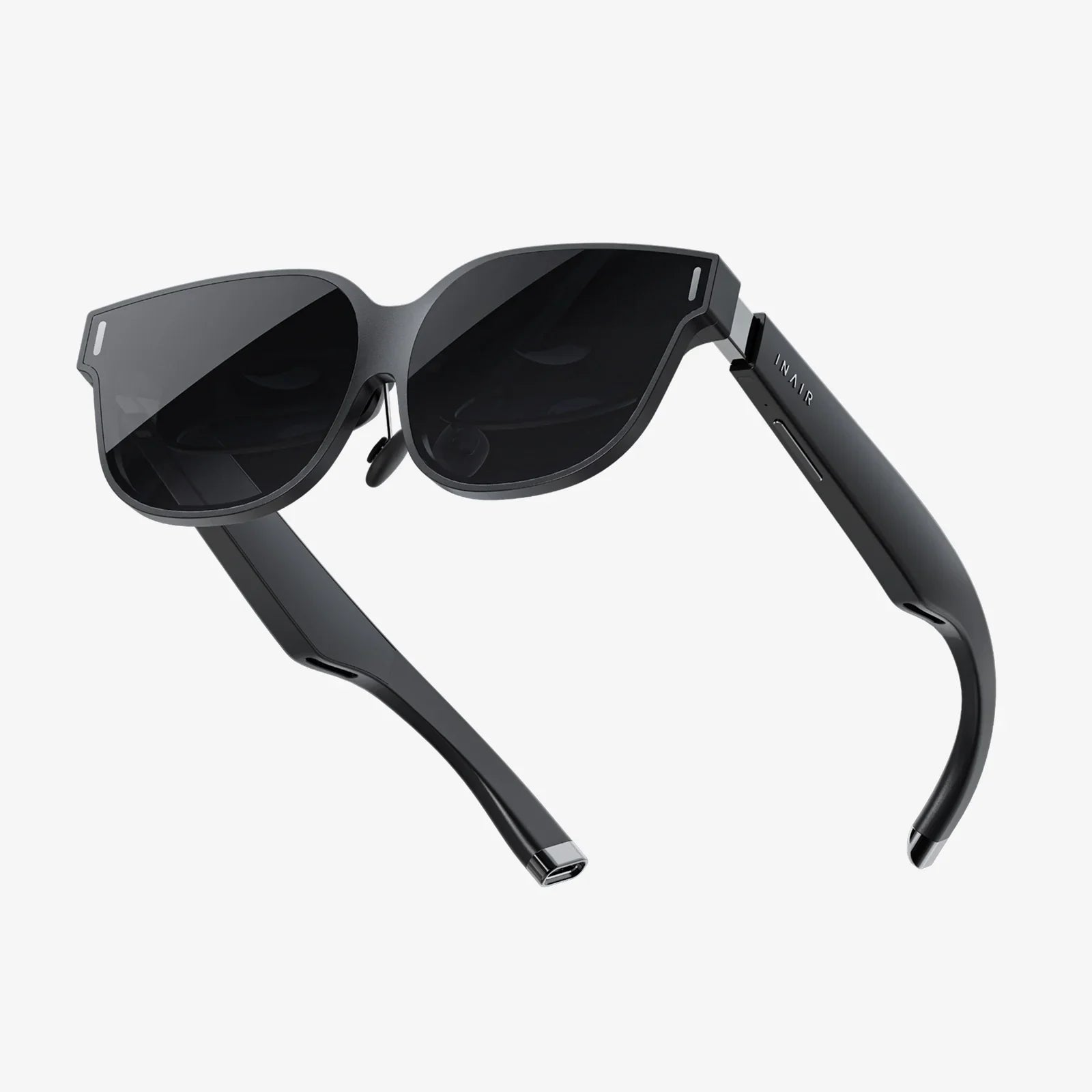
Imagine stepping into a breathtaking virtual world without a single cable tethering you to a bulky, expensive computer. This is no longer a futuristic fantasy but a present-day reality, thanks to the revolutionary advent of the VR headset that doesn't need a computer. This technological leap is fundamentally reshaping our interaction with digital environments, democratizing access to virtual reality, and unlocking a new era of immersive experiences that are as simple to use as slipping on a pair of sunglasses. The promise of true, unencumbered freedom is here, and it's changing everything we thought we knew about VR.
The Dawn of a New Reality: Understanding Standalone VR
For years, virtual reality was synonymous with high-end personal computers. Enthusiasts and developers were tethered, both literally and figuratively, to powerful machines that served as the brains behind the immersive experience. These setups, while impressive, created significant barriers to entry due to their cost, complexity, and physical constraints. The dream was always a self-contained device—a unified system that could deliver a compelling VR experience from a single, wearable package.
This dream is now realized in what the industry calls standalone VR headsets. Unlike their PC-dependent counterparts, these devices are marvels of integrated engineering. They house all the necessary computational hardware—the processor (CPU), graphics unit (GPU), memory, and storage—directly within the headset itself. They are essentially sophisticated, wearable computers specifically designed for virtual reality. This all-in-one design eliminates the need for external sensors or a physical connection to a host computer, granting users unparalleled freedom of movement.
How Does a Computer-Free VR Headset Actually Work?
The magic of a standalone VR headset lies in its miniaturization and optimization of technology. While it forgoes a connection to a desktop PC, it doesn't operate in a vacuum. It functions as a complete ecosystem.
-
Onboard Processing Power: At its core, the headset contains a mobile system-on-a-chip (SoC), similar to those found in high-end smartphones but often further optimized for the intense demands of VR. This chip handles everything from rendering complex 3D environments to tracking your precise head and hand movements in real-time.
-
Inside-Out Tracking: This is the pivotal technology that enables cord-cutting. Instead of relying on external base stations or sensors placed around the room to track your position (outside-in tracking), standalone headsets use multiple cameras embedded on the device itself. These cameras constantly scan your surroundings, using the data to map the room and understand your movement within it. This allows you to walk around, duck, and dodge within a designated play area without any external hardware.
-
Wireless Connectivity: While not needing a computer for core processing, many standalone headsets can connect to your home Wi-Fi network. This connectivity is crucial for accessing digital storefronts to download new games and applications, streaming video content, and even engaging in social VR experiences and multiplayer games.
-
Battery Power: Liberation from a power cable is just as important as liberation from a data cable. Standalone headsets feature integrated rechargeable batteries, typically offering several hours of continuous use on a single charge, making them perfect for extended gaming sessions or media consumption.
The Unmatched Benefits of Cutting the Cord
The advantages of moving to a standalone VR platform are profound and touch upon every aspect of the user experience.
Ultimate Freedom and Convenience
This is the most immediate and obvious benefit. Without a cable linking you to a PC, you can spin, jump, and move with complete abandon. There's no risk of tripping over a wire or being yanked back to reality when you reach the end of your tether. The setup process is incredibly simple: put on the headset, define your play area, and you're ready to go. This ease of use makes VR more accessible to a much wider audience, from tech-savvy gamers to families and casual users.
Significant Cost Efficiency
Historically, the total cost of VR included not just the headset, but also a gaming computer powerful enough to run it—an investment often totaling well over a thousand dollars. A standalone VR headset consolidates this expense into a single, more affordable product. Users get a complete VR system out of the box, making high-quality immersive technology accessible to millions who were previously priced out of the market.
Portability and Space Efficiency
A standalone headset is a truly portable VR system. You can easily take it to a friend's house, on vacation, or into a different room without worrying about moving a desktop computer and setting up external sensors. It stores neatly on a shelf without the clutter of cables and peripherals, integrating more seamlessly into daily life.
Considering the Trade-Offs: Performance and Content
While the benefits are substantial, it's important to have a balanced perspective. The convenience of an all-in-one system comes with certain compromises, primarily in raw processing power.
The mobile processors inside standalone headsets, though incredibly advanced, cannot yet match the sheer graphical horsepower of a top-tier desktop GPU. This means that the most graphically intensive, photorealistic VR experiences are still largely the domain of PC-connected systems. Standalone VR games often employ stylized art, clever optimization, and less complex environments to ensure smooth performance.
Furthermore, the library of content, while vast and growing rapidly, is distinct from the PC VR ecosystem. However, this gap is closing at an astonishing rate. Major developers are now creating dedicated versions of their flagship titles for standalone platforms, and the list of available games, creative tools, fitness apps, and social experiences is more than enough to provide hundreds of hours of entertainment.
A World of Experiences at Your Fingertips
The software landscape for standalone VR is rich and diverse, extending far beyond gaming.
-
Gaming: From rhythm games that get you moving to atmospheric adventures and strategic puzzles, the gaming library is the core attraction for many.
-
Fitness and Health: VR has emerged as a powerful tool for exercise, with apps offering boxing, dancing, and other high-intensity workouts in engaging virtual environments.
-
Social Connection: Platforms exist as vast virtual meeting spaces where you can socialize, watch movies, play games, and attend live events with friends and people from around the world, all as personalized avatars.
-
Productivity and Creativity: Virtual desks allow for multi-monitor setups in a limitless digital space, while 3D painting and sculpting applications unlock new forms of artistic expression.
-
Media Consumption: Many users enjoy using their headsets as personal theaters to watch movies, sports, and immersive 360-degree videos on a giant virtual screen.
What to Look For When Choosing Your Headset
If you're considering joining the untethered revolution, here are key specifications and features to evaluate:
-
Display Resolution and Refresh Rate: Higher resolutions (often expressed in pixels per eye) reduce the "screen door effect" and provide a sharper, clearer image. A higher refresh rate (90Hz and above) leads to smoother motion and can reduce discomfort.
-
Field of View (FoV): A wider FoV increases the sense of immersion by allowing you to see more of the virtual world in your periphery.
-
Tracking Quality: The number and quality of the onboard cameras determine the accuracy of the inside-out tracking for both headset and controllers.
-
Content Library: Ensure the headset's platform offers the types of applications and games you are most interested in.
-
Comfort and Ergonomics: Since you'll be wearing it, consider weight distribution, padding, and adjustability for a comfortable fit during longer sessions.
The Future is Wireless, Untethered, and Bright
The trajectory of standalone VR is one of rapid and relentless improvement. With each new generation, we see leaps in processing power, display technology, and battery life. Advancements in cloud computing and 5G connectivity also hint at a future where even more complex processing could be offloaded to remote servers, potentially allowing standalone devices to stream experiences that rival high-end PC VR, all without any local hardware beyond the headset itself. This technology is not just an alternative to PC VR; it is the undeniable mainstream future of virtual reality.
The era of being chained to a desk to experience another world is over. The VR headset that doesn't need a computer has shattered the final barrier to mass adoption, offering a potent combination of convenience, affordability, and pure, unadulterated fun. It represents the culmination of years of innovation, packaging the power to explore infinite realities into a device you can hold in your hands. This isn't just an incremental upgrade; it's a paradigm shift, inviting everyone to step into the virtual realm with a freedom that was once unimaginable. The door to these new worlds is now open, and all you have to do is put on the headset and walk through.


Share:
VR Headset Between $100 and $250: Your Ultimate Guide to Affordable Immersion
What Does a Phone VR Headset Do? Unlocking Virtual Worlds in Your Pocket