


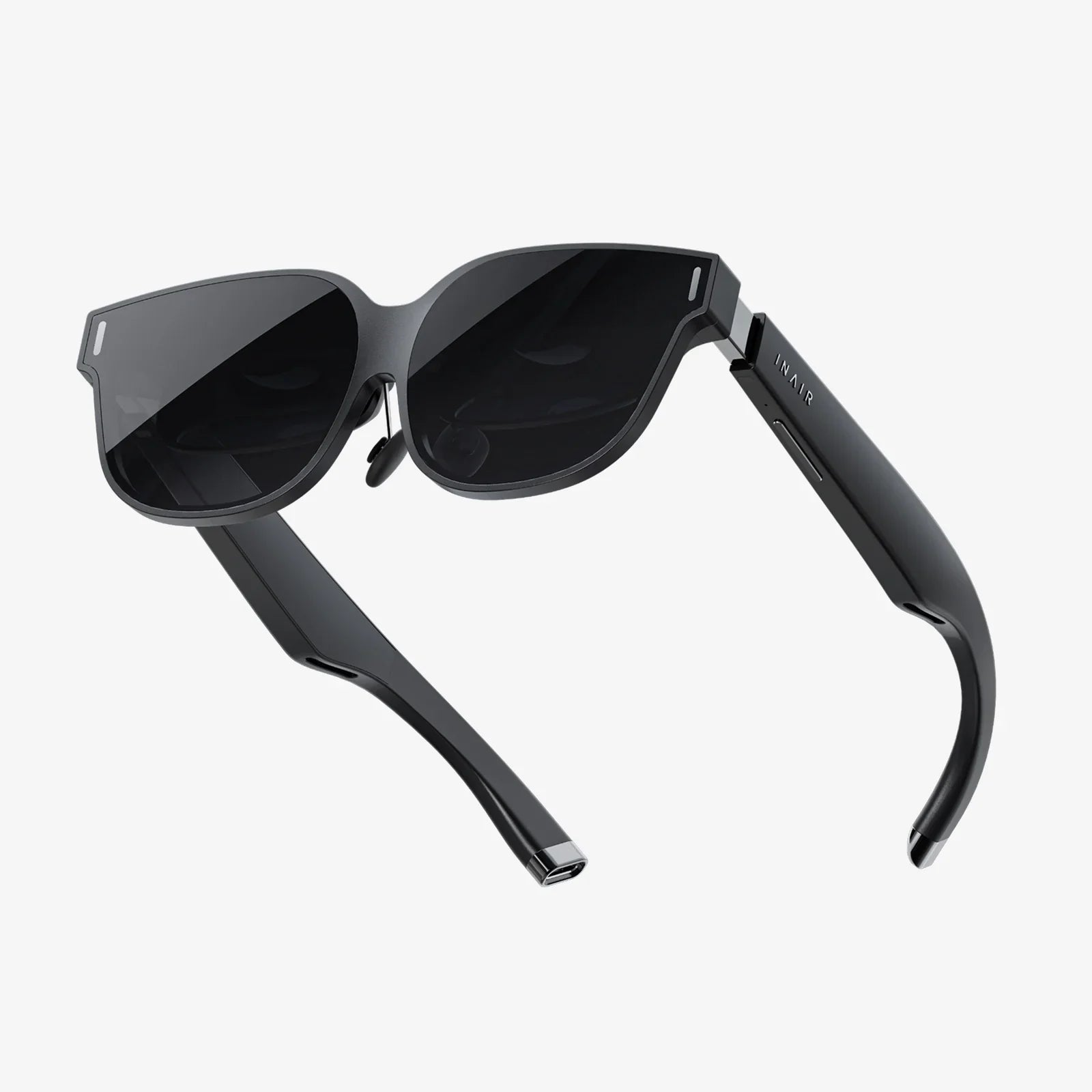
- by wangfred
What Does a Phone VR Headset Do? Unlocking Virtual Worlds in Your Pocket
- by wangfred
Imagine holding a portal to another dimension in the palm of your hand. It’s not science fiction; it’s the reality unlocked by a device millions of us carry every day, paired with a simple, often affordable, accessory. The concept of virtual reality has captivated humanity for decades, but it’s the marriage of cutting-edge smartphone technology and accessible headset design that has truly democratized VR, bringing immersive experiences out of specialized labs and into our living rooms. This is the magic of the phone-based VR headset—a device that asks not what it can do alone, but what it can unlock when paired with the powerful computer in your pocket.
At its most fundamental level, a phone VR headset does not function as a standalone device. Unlike its more expensive, high-end counterparts that house their own processors, screens, and tracking systems, a phone VR headset is an accessory. Its primary job is to create the necessary environment for your smartphone to become a virtual reality machine. It achieves this through a simple yet brilliant division of labor.
The headset itself provides the hardware required for immersion:
Your smartphone, in turn, provides the brains and the display:
This symbiotic relationship is the foundation of everything a phone VR headset does. It’s a partnership where the headset provides the window, and the phone provides the world on the other side of the glass.
While gaming is often the first application that comes to mind, the functionality of a phone VR headset extends far beyond. It serves as a versatile platform for a wide array of experiences that can entertain, educate, and inspire.
This is the most prominent use case. VR gaming on a phone headset plunges you into the heart of the action. Instead of controlling a character on a screen, you are the character. You look around the environment by naturally moving your head, and using a compatible controller, you can interact with the virtual world—firing weapons, solving puzzles, or manipulating objects. The genres are diverse, ranging from heart-pounding horror games and exhilarating roller coaster simulators to peaceful puzzle games and social experiences. It provides a level of immersion that traditional flat-screen gaming simply cannot match.
Phone VR headsets are exceptional media consumption devices for a new kind of filmmaking. Through dedicated apps and platforms, you can watch 360-degree videos where you are placed at the center of the action. You can be on stage with a famous band during a concert, stand on the surface of Mars in a documentary, or witness a pivotal historical event from a first-person perspective. You control the camera by simply looking around, making you an active participant in the narrative rather than a passive viewer.
Ever wanted to visit the pyramids of Giza, the Great Barrier Reef, or the streets of Tokyo? Phone VR makes it possible through stunning, photorealistic 360-degree experiences. Museums and cultural institutions offer virtual tours of their exhibits, allowing you to wander through halls and examine artifacts up close from anywhere in the world. It’s a powerful tool for education and a tantalizing glimpse into places you may never have the chance to visit physically.
The immersive nature of VR makes it an incredibly effective educational tool. Imagine medical students practicing complex surgical procedures in a risk-free virtual operating room, or history students walking through a meticulously reconstructed ancient Roman city. Architecture and design students can create 3D models of buildings and then step inside them to experience the scale and space firsthand. This experiential learning enhances retention and understanding in a way textbooks cannot.
VR is increasingly becoming a social platform. Apps allow you to create a digital avatar and meet friends or strangers in virtual spaces. You can watch movies together in a virtual cinema, play social games, attend live events, or simply hang out and chat as if you were in the same room. This adds a profound layer of presence to long-distance communication, making it feel more natural and engaging than a standard video call.
To fully grasp what a phone VR headset does, it's crucial to understand its primary technical limitation and how it differs from high-end VR systems. As mentioned, phone VR primarily operates on 3 Degrees of Freedom (3DoF).
The limitation to 3DoF is the primary differentiator between phone-based and high-end VR. Phone headsets rely solely on the phone's internal sensors, which cannot track positional movement. Adding 6DoF requires external cameras or sensors that are built into more advanced headsets. This is why phone VR is often considered an introductory or "entry-level" gateway into the world of virtual reality.
To get the most out of a phone VR headset, there are several important factors to consider.
The role of the phone VR headset in the larger ecosystem of virtual reality is profound. It dramatically lowered the barrier to entry, introducing millions of people to the concepts of immersion and presence for the first time. While it may lack the raw power and full-body tracking of its premium cousins, its accessibility and affordability have been instrumental in popularizing the technology. It proved that VR wasn't just a niche toy for hardcore gamers and tech enthusiasts, but a medium with vast potential for storytelling, connection, and exploration.
As technology marches forward, the line between phone VR and standalone VR is blurring. However, the core idea remains: leveraging a ubiquitous device to open a door to new experiences. It democratized a future that once seemed distant, proving that you don't need a supercomputer to take your first step into a larger world. It’s a testament to the power of simple, clever design working in harmony with the technology we already have, transforming the ordinary into the extraordinary.
That sleek holder for your smartphone is so much more than it appears. It’s a ticket to front-row concert seats, a time machine to ancient civilizations, a spaceship cockpit, and a window to the imaginations of creators worldwide. It challenges the very definition of what our devices are for, transforming a tool for communication into a gateway for experience, proving that the most powerful virtual reality machine might just be the one already in your pocket.
Share:
VR Headset That Doesn't Need a Computer: The Ultimate Guide to Untethered Virtual Reality
Good VR Headset for iPhone: Your Ultimate Guide to Mobile Immersion