


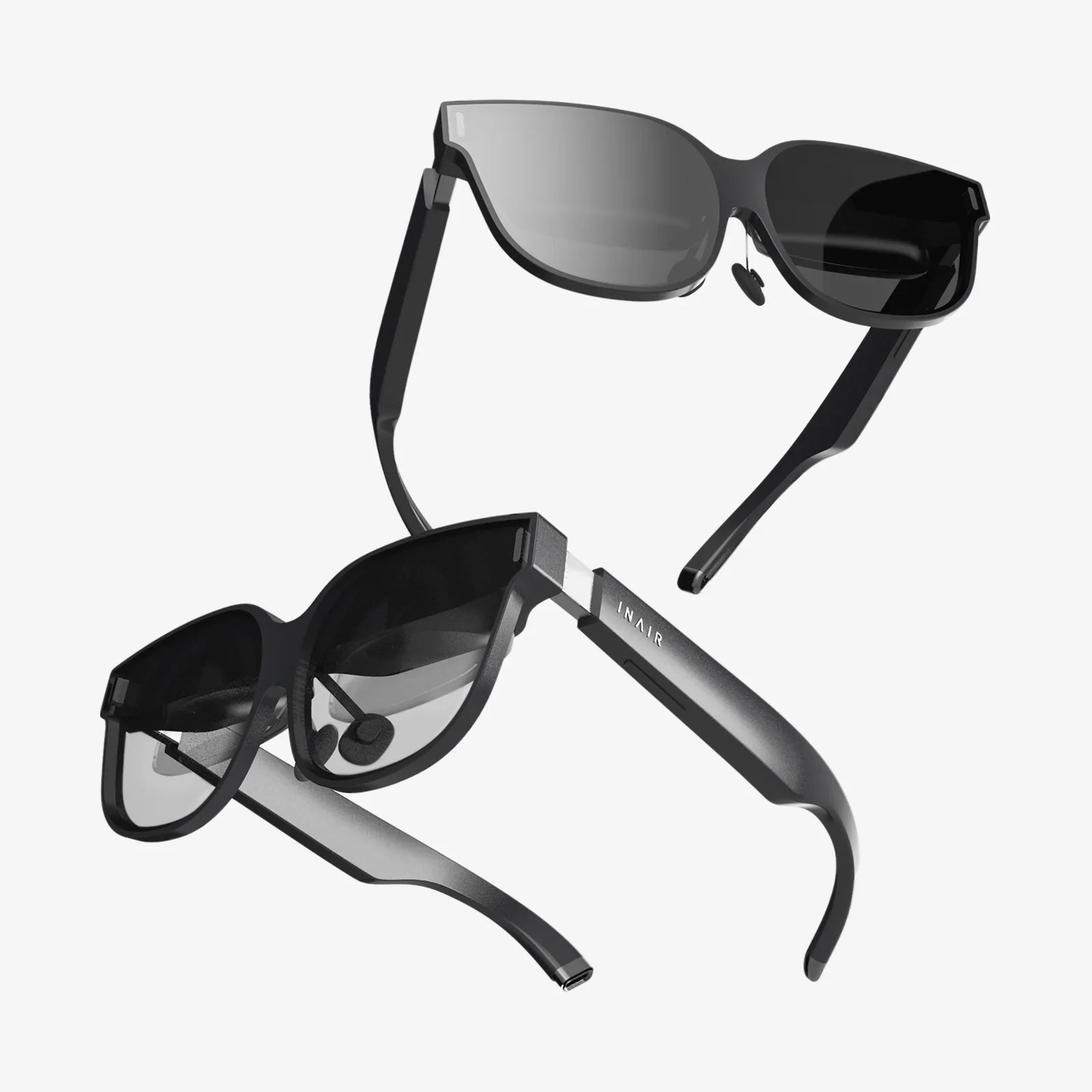
Imagine standing in the very chamber where a pharaoh took his last breath, watching the intricate hieroglyphs be painted onto the stone walls by a craftsman's hand over three millennia ago, or gazing up at the original, vividly painted ceiling of a tomb whose colors have long since faded to dust. This is no longer the stuff of fantasy or Hollywood magic; it is the new reality dawning in Egypt, powered by the immersive capabilities of the virtual reality headset. For a nation whose identity is so profoundly intertwined with its ancient history, this technology is not merely a novelty—it is a transformative key, unlocking doors to the past and building gateways to the future, reshaping tourism, education, and the very fabric of its digital economy.
A Portal to the Past: Resurrecting Ancient Egypt
Egypt's most priceless commodities are its monuments and archaeological treasures, but these are inherently fragile. The sheer volume of tourists, environmental factors, and the relentless passage of time pose a constant threat to their preservation. The VR headset offers an elegant and powerful solution: digital preservation and immersive access. Through high-resolution 3D laser scanning and photogrammetry, experts can create millimeter-accurate digital twins of sites like the tomb of Nefertari in the Valley of the Queens or the endangered temples of Nubia. These models are not static; they become living classrooms and museums within the virtual space.
Wearing a headset, a user can embark on a guided tour led by a digital avatar of a renowned Egyptologist, pointing out details invisible to the naked eye. They can experience a site as it was in its heyday, with restored colors, complete structures, and ambient sounds, providing context that a crumbling ruin, however magnificent, often cannot. This is particularly revolutionary for sites that are too delicate, too small, or too remote for public access. It democratizes history, making it accessible to those with physical limitations who could never navigate a narrow tomb passage and to students across the globe who may never afford a flight to Cairo.
Transforming the Sands of Tourism
The Egyptian tourism industry, a cornerstone of the national economy, is poised for a seismic shift. The traditional model of shepherding large groups through sites at a rapid pace, often resulting in superficial engagement, is being challenged. VR technology enables a new paradigm: pre-visit immersion. Travelers can take a virtual preview of their entire itinerary from their home country, building excitement and context. This transforms their physical trip from a simple checklist into a deeper, more meaningful exploration.
Furthermore, VR creates powerful new revenue streams and off-site experiences. Museums in Cairo or Luxor can offer premium VR experiences—perhaps a thrilling flight over the Giza plateau at sunset circa 2500 BC or a simulated dive to explore the sunken city of Thonis-Heracleion. For tourists with limited time, a headset can provide a comprehensive tour of distant sites like the Abu Simbel temples without the need for a long desert drive. This not only enhances visitor satisfaction but also helps manage the physical strain on the monuments themselves by offering compelling alternatives to an entirely physical visit.
The Classroom Without Walls: An Educational Revolution
Perhaps the most profound impact of VR headsets in Egypt is happening within the educational sphere. The national curriculum is deeply enriched with Pharaonic, Coptic, and Islamic history, yet for decades, teaching these subjects relied on textbooks with static images and chalkboard diagrams. VR shatters these limitations. Imagine a history lesson where students don headsets and are instantly transported to the deck of Queen Hatshepsut's sailing ship on its legendary voyage to the land of Punt. They can look around, hear the waves, and see the cargo being loaded.
This experiential learning fosters a level of engagement and retention that traditional methods struggle to achieve. It makes abstract concepts tangible. For a subject like archaeology, students can participate in a virtual dig, learning excavation techniques and artifact handling without risking damage to a real site. Medical students can study detailed 3D models of mummies, peeling back virtual layers to understand anatomy and ancient embalming practices. This technology empowers Egyptian educators to nurture a new generation of historians, archaeologists, and engineers by fueling their passion with unprecedented access to their own heritage.
Building the Digital Nile: Infrastructure and Local Innovation
For this virtual revolution to take root, it requires a robust digital infrastructure. The widespread adoption of VR headsets is intrinsically linked to the availability of high-speed internet, reliable cloud computing services, and affordable hardware. Major urban centers like Cairo and Alexandria are rapidly advancing their 5G networks, which is crucial for streaming high-fidelity, data-intensive VR content without latency. However, the challenge remains in ensuring equitable access across the country, including in rural and Upper Egypt, to prevent a new digital divide.
Simultaneously, a burgeoning local tech scene is emerging to meet this demand. Egyptian software developers, 3D artists, and historians are collaborating to create authentic, homegrown VR content. This is a critical development—it ensures that the narratives being built are told from an Egyptian perspective, with cultural accuracy and sensitivity. Universities are beginning to incorporate VR development into their computer science and digital media programs, fostering a pipeline of local talent. This ecosystem of innovation positions Egypt not just as a consumer of VR technology, but as a future exporter of cultural and educational VR experiences to the world.
Navigating the Currents: Challenges and Considerations
The journey towards a VR-enabled future is not without its obstacles. The initial cost of high-quality hardware, while decreasing, can still be prohibitive for widespread public and school adoption. There is a significant need for digital literacy training for educators and curators to effectively integrate this tool into their work. Furthermore, ethical questions must be addressed: How much digital reconstruction is acceptable before it becomes historical speculation? Who owns the digital rights to a scan of a national monument?
Privacy and data security are also concerns, as they are with any connected technology. Finally, it is vital to strike a balance. The goal of VR should be to enhance and complement the awe-inspiring experience of being physically present in the shadow of the pyramids, not to replace it. The technology must serve as a bridge to the physical world, not a substitute for it.
Beyond History: The Broader Horizon of VR in Egypt
While the applications in heritage and education are the most immediate, the potential of VR headsets in Egypt extends far beyond. In architecture and urban planning, developers can use VR to walk clients through unbuilt properties and planned communities. The real estate market could be transformed by virtual tours. In healthcare, VR is already being used globally for surgical training, pain management, and therapy for conditions like PTSD—applications that could greatly benefit the Egyptian healthcare system. For remote collaboration, engineers in different governorates could meet in a virtual space to examine a 3D model of a infrastructure project.
The entertainment and gaming industry also represents a massive opportunity. Imagine epic games based on Egyptian mythology, developed locally and played on a global stage. The narratives of the gods Ra, Osiris, and Isis are ripe for interactive storytelling. VR arcades and experiences could become a staple of urban entertainment, appealing to the country's large and tech-savvy youth population.
The VR headset in Egypt is more than a piece of technology; it is a time machine, a classroom, a museum, and an economic engine. It represents a powerful convergence of a nation's ancient pride and its ambitious future-forward vision. By embracing this tool, Egypt is taking proactive control of its narrative, preserving its legacy for centuries to come while simultaneously building a new, innovative industry. It is digitally chiseling a new layer of history—one of silicon and light—right alongside the ancient stone.
From the depths of a virtual tomb to the cutting-edge labs of Cairo's tech hubs, a quiet revolution is underway. The sands of time are being sifted not only by trowels but by sensors, and the stories they reveal are waiting for you to put on a headset and step inside. The pharaohs built for eternity; today, Egypt is building a new kind of monument, and its doors are open to all.
Share:
Best Budget VR Headset for Watching Movies 2025: Your Ultimate Guide to Cinematic Immersion
Why is AR MR in Perfect Competition? The Inevitable Clash of Digital Realities