


- by wangfred
VR Headset Experience: Stepping Through the Portal to New Realities
- by wangfred
Imagine a device that can shrink the universe, transport you to fantastical realms, and rewrite the very rules of reality. This is the promise, the allure, and the profound power of the modern virtual reality headset experience. It’s a concept that has leapt from the pages of science fiction into our living rooms, offering not just a new way to play games, but a new way to see, learn, connect, and feel. The journey from putting on a headset to losing yourself in another world is one of the most fascinating technological narratives of our time, a story of human ingenuity focused on fooling our most fundamental senses. It’s an invitation to step through a portal, and it’s an experience that is rapidly evolving from a novelty into a transformative part of our digital lives.
At its core, the virtual reality experience is an elaborate magic trick, a carefully engineered illusion designed to convince your brain that the impossible is real. This illusion is built upon several critical technological pillars working in perfect harmony.
The first and most obvious is the visual component. Modern headsets employ two high-resolution displays, one for each eye, positioned at a fixed distance. These screens display a slightly different image for each eye, replicating the stereoscopic vision that gives us depth perception in the real world. This is the foundational layer of immersion. However, raw resolution is not enough. A phenomenon known as the screen-door effect, where users can perceive the fine gaps between pixels, can shatter the illusion. Advancements in display technology, including higher pixel densities and advanced lens systems that warp and focus the image to fill your field of view, are constantly working to eliminate this barrier, striving for a seamless visual canvas.
But a static image is not a world. This is where tracking comes in. For the illusion to hold, the virtual environment must respond to your movements with imperceptible latency. Inside-out tracking systems use a constellation of cameras and sensors on the headset itself to map your physical space and track the precise position and orientation of your head. This is known as six degrees of freedom (6DoF): the ability to not just rotate your head (yaw, pitch, roll) but also to move it through space (surge, sway, heave). When you lean forward to examine a virtual object or duck behind a digital barrier, the world stays perfectly anchored, thanks to the relentless, high-speed calculations of the tracking system. This creates a visceral sense of physical presence that is utterly convincing.
While vision is the primary sense engaged, a truly profound VR headset experience is a multi-sensory symphony. Isolating the user from external distractions is crucial. This is achieved through built-in headphones or spatial audio technology that mimics how sound behaves in the real world. A sound coming from your left will be louder in your left ear, and the acoustic properties of a virtual room will change the quality of that sound. This auditory fidelity allows you to locate objects and events without seeing them, deepening the sense that you are truly in that place.
The next frontier of immersion is touch, or haptic feedback. This begins with the controllers. These are not mere remotes; they are your virtual hands. Advanced controllers use a combination of inertial measurement units (IMUs) and external or internal sensors to track their position with stunning accuracy. But more importantly, they provide tactile feedback. A subtle vibration when you pull a virtual trigger, a thrum when you touch a virtual surface, or even a sensation of resistance through adaptive triggers—all these small cues build a tangible connection to the digital world.
The future of haptics extends far beyond the hands. Full haptic suits and vests can simulate the impact of a punch, the sensation of rain, or the rumble of a nearby explosion across your entire body. Even more experimental are technologies like ultrasonic haptics, which use focused sound waves to create the sensation of touch mid-air, allowing users to feel virtual objects without any wearable devices. This multi-sensory layering—sight, sound, and touch—is what transforms a visual simulation into an embodied experience.
The popular perception of virtual reality is often dominated by gaming, and for good reason. The VR headset experience has revolutionized interactive entertainment. It allows you to be the hero—to physically wield a lightsaber, to scale a treacherous mountain face, or to solve a puzzle in a mysterious room by physically manipulating objects. The difference between pressing a button to swing a sword and actually performing the motion is the difference between reading about a storm and standing in the pouring rain. The emotional and physical engagement is on another level entirely.
However, to view VR solely through the lens of gaming is to miss its vast and transformative potential. In education, students are no longer limited to reading about ancient Rome; they can walk its streets through a VR headset experience. Medical students can practice complex surgical procedures on virtual patients, making mistakes without consequence and honing their skills in a risk-free environment. Architects and engineers can walk clients through full-scale, immersive models of unbuilt structures, allowing for design changes long before ground is broken.
The field of therapy and mental health has also embraced VR. It is being used to treat phobias through carefully controlled exposure therapy, helping someone with a fear of heights gradually acclimate to virtual balconies. It’s used for PTSD treatment, social anxiety training, and even pain management, distracting burn victims with calming, immersive environments during painful dressing changes. Furthermore, VR has emerged as a powerful tool for social connection. Platforms exist that are not games, but rather virtual meeting spaces. Here, colleagues from across the globe can collaborate on 3D models as if they were in the same room, and friends can watch movies together in a virtual cinema, their avatars conveying presence and camaraderie that flat video calls cannot match.
For all its wonder, the VR headset experience is not without its challenges. The most common is simulator sickness, a form of motion sickness characterized by discomfort, nausea, and dizziness. It often occurs when there is a disconnect between what the eyes see (movement) and what the vestibular system in the inner ear feels (stationary). Developers combat this with clever design choices like teleportation for movement instead of analog stick locomotion, and implementing fixed visual reference points, known as comfort modes.
There are also significant physical considerations. Headsets have become lighter and more balanced, but they still represent a weight on the face that can cause fatigue during long sessions. The ergonomics of the headstrap, the quality of the facial interface, and the management of heat are all critical factors in user comfort. Furthermore, VR requires physical space. A truly room-scale experience demands a clear, safe area to move around in, which can be a significant barrier to adoption in smaller living environments.
Beyond the physical, there are psychological and social questions. Prolonged immersion in hyper-stimulating virtual environments can lead to a phenomenon known as virtual hangover, a brief period of disorientation upon returning to the real world. As the technology becomes more pervasive, questions about data privacy, ethical design, and the long-term social impact of replacing real-world interactions with virtual ones will require careful and thoughtful discussion.
The current state of VR is impressive, but it is merely a stepping stone. The future of the VR headset experience points towards even greater fidelity and seamlessness. The concept of the metaverse—a persistent, interconnected network of shared virtual spaces—promises to make VR less of a destination you visit and more of a layer integrated into daily digital life.
Technological advancements on the horizon are staggering. Varifocal displays that dynamically adjust to where your eyes are focusing, mimicking the natural behavior of our lenses, could eliminate eye strain and deepen visual realism. Advancements in haptics will move beyond rumble to simulate texture, temperature, and weight. Perhaps the ultimate frontier is neural interfacing, bypassing screens and speakers entirely to send signals directly to the brain. While this remains in the realm of long-term research, it hints at a future where the virtual experience is indistinguishable from physical reality.
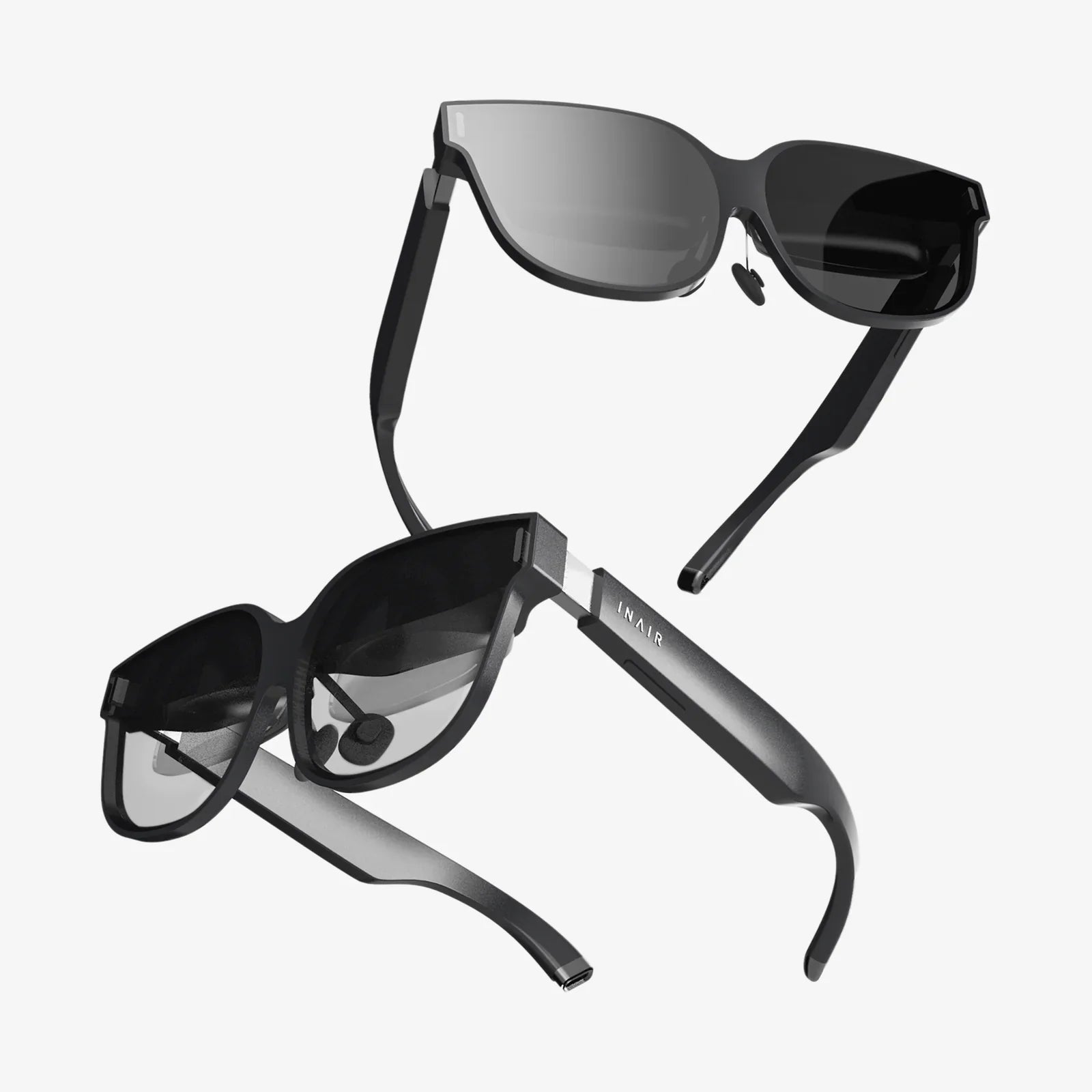
We are also moving towards more accessible and socially acceptable form factors. The shift from bulky, tethered headsets to standalone, all-in-one devices has already begun, democratizing access. The next evolution will be towards sleeker, glasses-like form factors that you could comfortably wear for hours, making the transition into virtual spaces as simple as putting on a pair of sunglasses.
The journey through the virtual looking glass is just beginning. It is a realm of limitless potential, where the only true boundary is the imagination of its creators. It challenges our perceptions, expands our capabilities, and offers new ways to define human experience itself. It is an invitation to explore, to create, and to connect in ways we are only starting to comprehend. The portal is open, and the worlds within are waiting to be discovered.
Share:
VR Headset with Earphones: The Ultimate Immersive Experience Unveiled
Japan Extended Reality Market: A Deep Dive into Innovation and Cultural Integration