


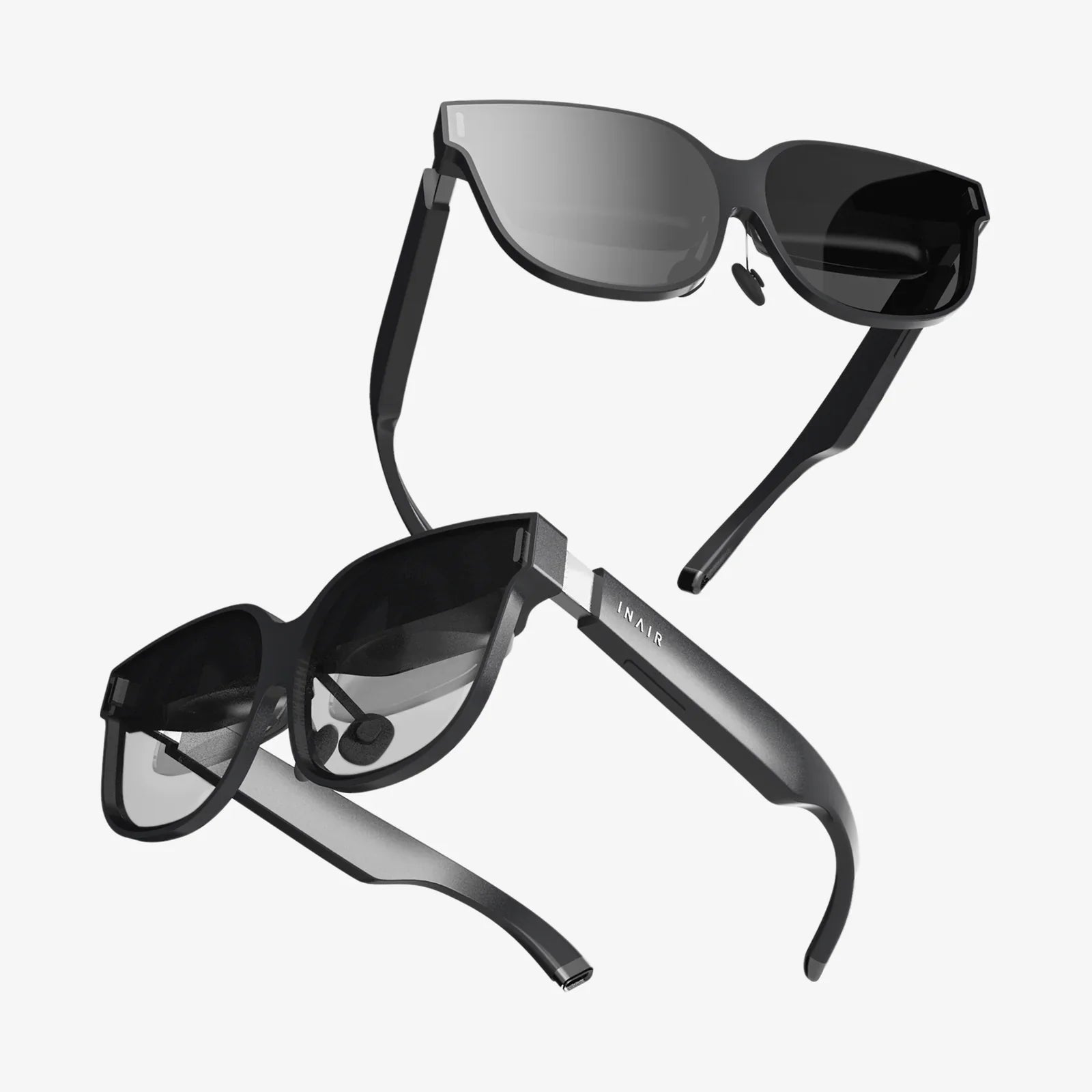
- by wangfred
VR Headset with Earphones: The Ultimate Immersive Experience Unveiled
- by wangfred
Imagine a world where the line between the digital and the physical not only blurs but disappears entirely. A world where you can stand on the surface of Mars, the red dust crunching under your virtual boots, and hear the howl of a distant, alien wind whisper secrets in your ear. This is no longer the stuff of science fiction. It is the palpable, breathtaking reality offered by the latest generation of immersive technology, specifically the seamless integration of a high-fidelity VR headset with precision-tuned earphones. This combination isn't just an upgrade; it's a revolution, unlocking a level of sensory depth that finally delivers on the decades-old promise of true virtual reality.
For too long, the focus in virtual reality has been almost exclusively on the visual component—higher resolutions, wider fields of view, smoother refresh rates. While these are undoubtedly critical, this approach ignores a fundamental truth of human perception: we experience the world with all our senses, and sound is arguably the most powerful for triggering emotional and physiological responses. Think about the last time a sudden noise made you jump, or how a specific song can instantly transport you back to a moment in time.
Integrated earphones are engineered to exploit this deep connection. They provide:
While blockbuster video games are the most obvious beneficiaries of this technology, the implications stretch far beyond entertainment, transforming numerous facets of our lives.
Architects and interior designers are using these systems to walk clients through unbuilt homes and spaces. With integrated audio, they can demonstrate not just how a room will look, but how it will sound. Will the hardwood floor create a problematic echo? How will the sound of a fountain in the courtyard travel? This acoustic modeling is invaluable.
Similarly, musicians and audio engineers are embracing VR as a new medium and a powerful tool. Imagine mixing a song not on a two-dimensional studio console, but by physically walking around the virtual soundstage, placing instruments and vocals in a three-dimensional field with pinpoint accuracy. This integrated audio-visual approach allows for creative expression that was previously impossible.
Next-generation social platforms are built around the concept of presence—the feeling that you are truly in the same room as another person. High-quality visuals get you part of the way there, but authentic audio completes the picture. The ability to hear the subtle nuances of a friend's voice, to have a conversation where you can intuitively tell who is speaking and from where, makes digital interaction feel startlingly human. It fosters a sense of closeness and understanding that a flat video call can never achieve.
History lessons are transformed from reading about ancient Rome to standing in the Forum, hearing the chatter of the crowd, the clatter of cart wheels on stone, and the distant speech of an orator. Medical students can practice procedures with a full sensory suite, where the beep of a monitor or the sound of a simulated breath is as important as the visual feedback. This multi-sensory learning dramatically improves information retention and engagement.
Creating this seamless experience requires a harmony of hardware and software innovation.
While brands cannot be named, understanding the key features to look for will guide you toward the right device. Prioritize a system that emphasizes its acoustic capabilities. Look for terms like "spatial audio," "3D sound," "HRTF," and "high-fidelity." Consider the design: are the earphones over-ear, on-ear, or in-ear? In-ear models often provide superior noise isolation. Evaluate the connectivity; a wireless design with a low-latency protocol offers incredible freedom of movement, crucial for active experiences. Finally, assess the comfort, as a headset you can wear for hours is a headset you will actually use.
The integration of audio and visual VR is just the beginning. We are rapidly moving toward more advanced haptic feedback systems, where you might feel the sound as a rumble. Research into bone conduction and other technologies could one day make earphones obsolete, simulating sound directly through the skull. Furthermore, the use of biometric sensors could allow the experience to adapt to your physiological state, calming the audio and visuals if it detects stress or increasing intensity during action sequences. The goal is a perfect, personalized, and total sensory immersion.
The journey into virtual reality has always been about escaping the confines of our physical reality. But escape is meaningless without belief. It is the harmonious, inseparable combination of a crystal-clear visual display and deeply immersive, spatially-aware audio that finally builds the bridge to these new worlds. It’s the whisper in the wind, the footstep behind you, the subtle cue that makes your heart race—it’s the sound of reality itself, redefined. This isn't just about what you can see; it's about what you feel, and the key to feeling truly present is hearing every detail exactly as it was meant to be heard. The next dimension of exploration awaits, and it sounds absolutely incredible.
Share:
VR Headset Technology: The Ultimate Immersive Experience
VR Headset Experience: Stepping Through the Portal to New Realities