


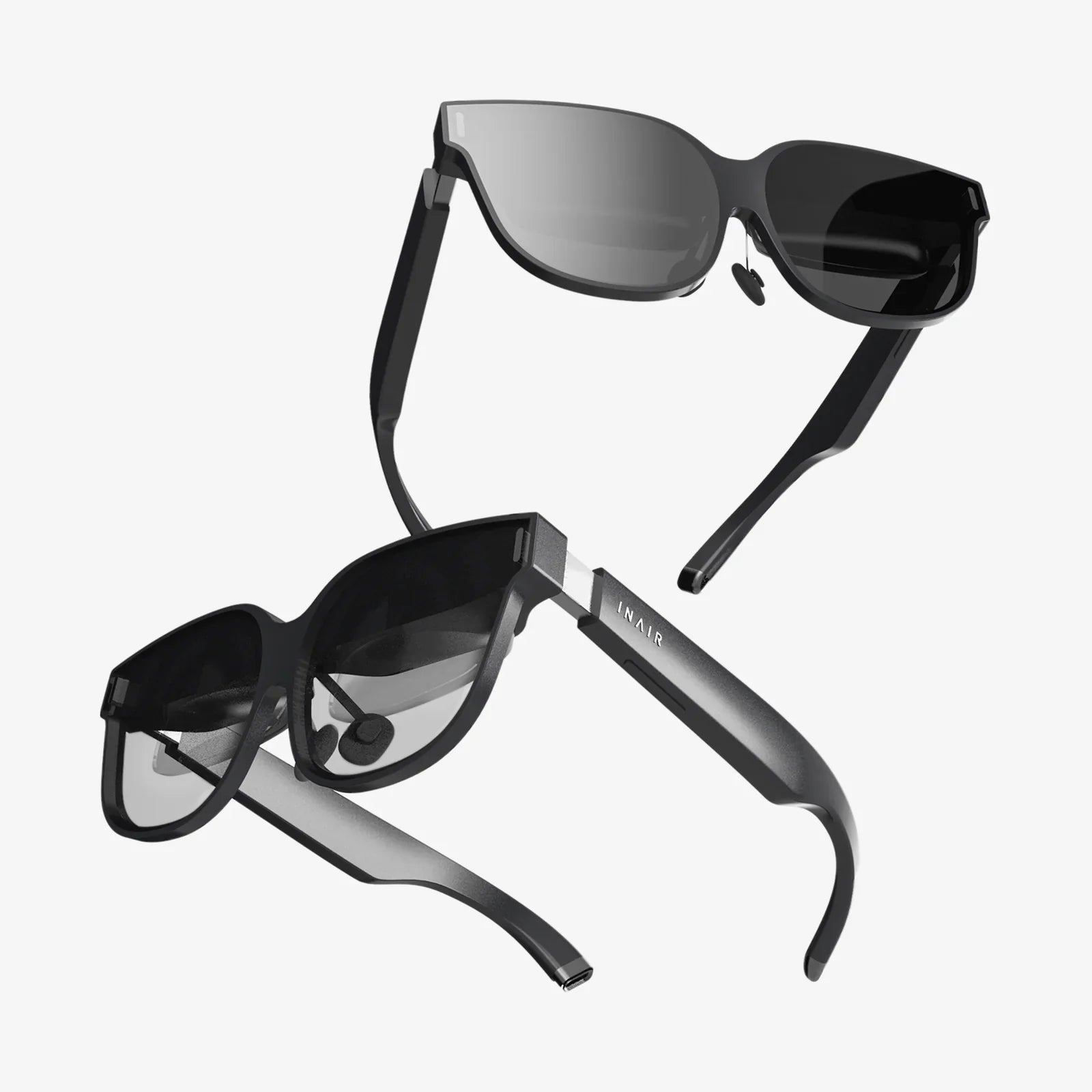
Imagine slipping a sleek, unassuming headset over your eyes and instantly being transported to a concert front row, a distant museum, or a fantastical game world—all powered by the compact smartphone already in your pocket. This is the unique promise and intriguing niche of the VR headset designed specifically for a 4.5-inch screen, a format that challenges the notion that bigger is always better in the realm of virtual reality.
The Philosophy of Compact VR: Why Size Matters
In a market increasingly dominated by larger, phablet-style devices, the idea of crafting a virtual reality experience around a more modest 4.5-inch display might seem counterintuitive. However, this specific form factor caters to a distinct and important segment of users. For many, a smaller smartphone is a deliberate choice—prioritizing one-handed usability, portability, and comfort over a massive screen. A VR headset for a 4.5-inch screen ensures that these users are not left out of the immersive revolution. It democratizes VR, making it accessible to anyone with a functioning smartphone, regardless of its dimensions or vintage. This approach embraces the concept of leveraging existing technology to lower the barrier to entry, allowing a wider audience to dip their toes into virtual waters without a significant financial commitment to dedicated, high-end hardware.
Technical Deep Dive: The Science Behind the Experience
The core technology of these headsets is both elegantly simple and ingeniously effective. They operate on the principles of mobile-based VR, utilizing the smartphone's own processing power, display, and sensors to create the virtual environment.
The Optics and Display Symbiosis
The most critical relationship in any mobile VR headset is between the phone's screen and the headset's lenses. For a 4.5-inch screen, the optical engineering is precise. The headset uses a pair of high-quality, precision-molded aspheric or Fresnel lenses. Their primary function is to warp the image from the flat screen, which is split into two identical panels (one for each eye), into a stereoscopic 3D field that fills the user's entire field of view (FOV). The lenses also focus and magnify the image, making it appear vast and distant rather than close and confined. The pixel density of a smaller screen often works in its favor; with pixels packed more tightly together, the dreaded "screen-door effect"—where users can perceive the gaps between pixels—can be less pronounced than on a larger screen of the same resolution, leading to a potentially sharper image within the center of the view.
Tracking and Interaction
Immersion is broken the moment the virtual world doesn't respond naturally to your movements. Headsets for smaller screens rely on the smartphone's built-in gyroscope, accelerometer, and magnetometer for rotational tracking. This means when you turn your head left, right, up, or down, the view in the headset responds instantly and accurately. More advanced models may include an external camera or additional internal sensors for basic positional tracking, allowing for limited leaning and depth movement. Interaction is typically handled through a simple Bluetooth controller or a capacitive touch button on the headset itself, which translates gestures into in-world actions, from selecting menu items to firing a virtual weapon.
Comfort and Design Considerations
A headset designed for a smaller, lighter phone has distinct ergonomic advantages. The overall unit can be lighter and more balanced on the face, reducing strain during extended use. Manufacturers often use lightweight materials like reinforced polymers and foams. A well-designed headset will feature adjustable head straps, interchangeable foam padding for hygiene, and precise pupilary distance (PD) adjustments to align the lenses with the user's eyes, ensuring visual comfort and clarity. Proper ventilation is also key to preventing lens fogging, a common issue in mobile VR.
The User Experience: What It's Actually Like
Sliding a 4.5-inch phone into the dedicated tray and securing the headset is a straightforward process. The immediate impression is one of surprising immersion. While the field of view might be slightly more constrained than with headsets designed for larger screens, the brain quickly adapts, accepting the virtual environment as its own. The experience is ideal for consuming 360-degree videos and photos, offering a powerful sense of presence. Exploring a historic site or watching a travel documentary becomes profoundly more engaging than on a flat screen.
For gaming, the experience is compelling for casual and narrative-driven titles. Slower-paced adventure games, puzzle rooms, and atmospheric experiences work exceptionally well, providing deep immersion without requiring the ultra-low latency and complex tracking of high-end PC VR. The intimacy of the experience can be a significant advantage, drawing the user's focus completely into the virtual world without overwhelming peripheral distractions.
A Universe of Content at Your Fingertips
The true power of any VR platform lies in its content library, and mobile VR is no exception. A vast ecosystem of apps and experiences is compatible with these compact powerhouses.
- Educational and Cultural Apps: Virtual field trips to the Louvre, the surface of Mars, or the depths of the ocean are incredibly effective on this platform, making learning an active, exploratory process.
- 360-Degree Video Platforms: Dedicated apps offer thousands of immersive videos, from music videos and short films to documentaries and live-event recordings.
- Casual and Arcade Games: From simple roller coaster simulators to more involved puzzle and adventure games, the catalog is diverse and constantly growing.
- Social VR: Platforms exist that allow users to meet, interact, and watch videos together in shared virtual spaces, all accessible through a mobile headset.
- Meditation and Wellness: Guided meditation in serene, computer-generated environments is a popular and effective use case, promoting mindfulness and relaxation.
Weighing the Trade-Offs: Limitations and Considerations
It is important to approach this technology with realistic expectations. The experience is fundamentally different from that of a premium, standalone VR system. The graphical fidelity is limited by the mobile processor, meaning complex textures and advanced lighting effects are absent. The reliance on rotational tracking alone means you cannot physically walk around or lean deeply into the virtual space without breaking the illusion. Furthermore, prolonged use can drain the phone's battery relatively quickly, and the device itself will become warm. Users must also be mindful of their surroundings, as being completely visually isolated from the real world requires a safe, clear space to enjoy the experience.
The Future of Compact Mobile VR
While the VR industry's spotlight often shines on cutting-edge, standalone devices, the role of accessible, smartphone-driven VR remains vital. It serves as the primary introduction to virtual reality for millions. Future advancements in cloud gaming and 5G connectivity could significantly enhance the potential of these headsets, offloading intense processing to remote servers and streaming high-fidelity, low-latency VR experiences directly to the phone, effectively bypassing its hardware limitations. As smartphone screens continue to improve in resolution, brightness, and efficiency, the visual quality within these compact headsets will only get better.
The VR headset for a 4.5-inch screen is a testament to the power of accessibility and ingenuity. It proves that you don't need the most expensive, most powerful hardware to experience the wonder of virtual reality. It represents a gateway—an affordable, convenient, and surprisingly capable portal to infinite worlds, stories, and experiences. It keeps the promise of VR alive and open to all, ensuring that the future of immersive technology is not exclusive, but expansive and inclusive.
Your pocket-sized portal to other worlds is waiting; the journey begins by simply looking a little closer at the device you already own.
Share:
Can We Watch Normal Movies in VR Headset? The Ultimate Guide to Cinematic Immersion
Best AR Headset for Work: The Ultimate Guide to Boosting Productivity