


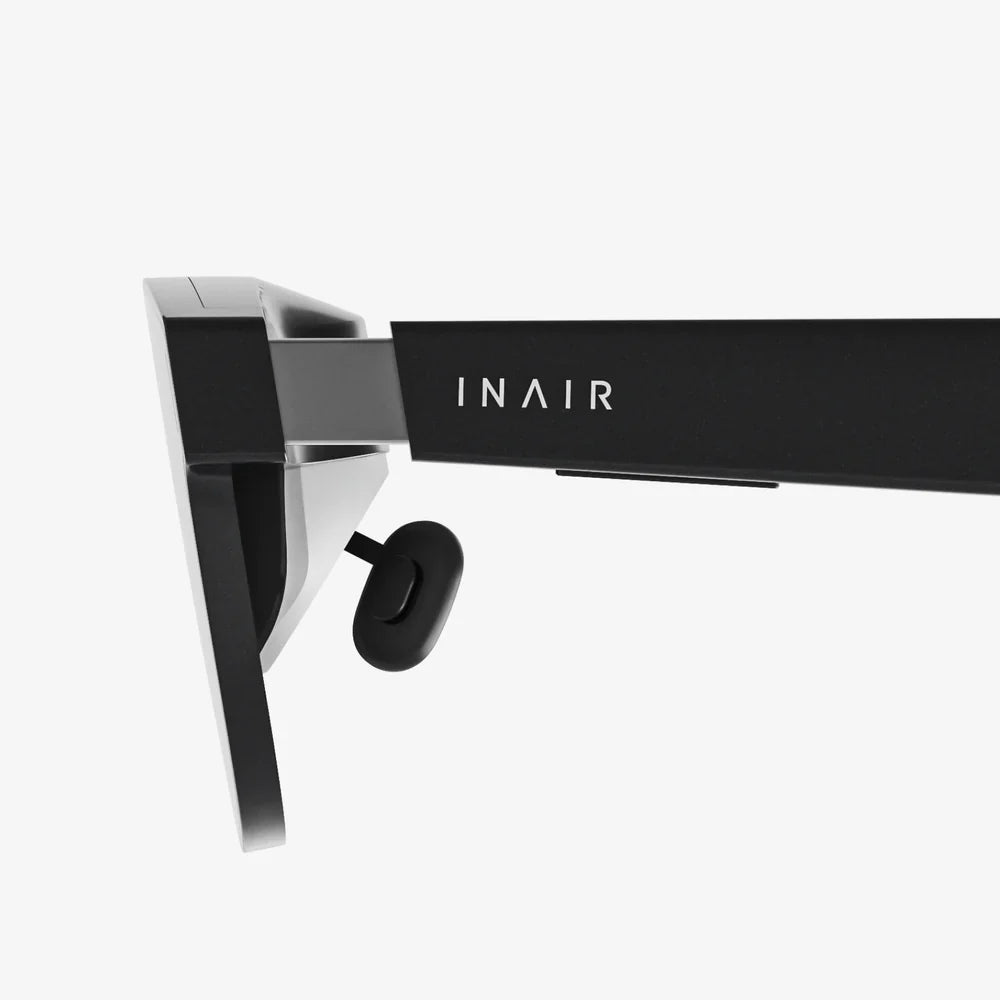
Imagine slipping a portal to another universe into your pocket, a gateway powered by the powerful, compact marvel that is your iPhone 13 mini. This isn't science fiction; it's the compelling reality offered by modern VR headsets designed specifically for your device. While larger phones dominate the mobile landscape, the 13 mini represents a unique fusion of pro-grade power in a diminutive form factor, creating a surprisingly perfect candidate for on-the-go virtual adventures. This guide dives deep into the world of VR headsets for the iPhone 13 mini, exploring how this compact powerhouse unlocks immersive experiences, what to look for in a headset, and how to get the most out of your journey into virtual realms.
The Unique Appeal of the iPhone 13 Mini in Mobile VR
At first glance, the iPhone 13 mini's smaller 5.4-inch screen might seem like a disadvantage for VR. However, this perception quickly dissolves when you consider its technical prowess. The phone packs the same formidable A15 Bionic chip found in its larger iPhone 13 Pro siblings. This means it delivers identical computational and graphical performance, capable of rendering complex virtual environments and maintaining high frame rates essential for a comfortable, immersive VR experience without the nausea-inducing lag that plagued earlier mobile VR efforts.
The OLED display, renowned for its deep blacks, vibrant colors, and high pixel density, is another critical advantage. In VR, where the screen is magnified significantly, a high-quality panel is non-negotiable. The OLED technology ensures that virtual worlds are crisp, contrast-rich, and free from the backlight bleed that can shatter immersion on lesser LCD screens. The smaller physical screen size is cleverly mitigated by the headset's lenses, which focus and expand the image to fill your entire field of view. The result is a dense, sharp picture that can often feel more immediate and engaging than on a larger phone with a lower-quality display.
Furthermore, the phone's lightweight and compact design is a boon for ergonomics. A heavier phone can make a headset feel front-heavy and uncomfortable during extended use. The 13 mini's minimal weight contributes to a better-balanced headset, reducing strain on the neck and face, making exploration of virtual worlds a pleasure rather than a chore.
Understanding Compatibility and Connection
Not every headset is created equal, and compatibility is the first and most crucial hurdle to clear. The primary consideration is the physical design. The iPhone 13 mini, with its specific dimensions and camera array layout, must fit securely within the headset's tray or holder. A poorly designed holder can put pressure on the side buttons or, worse, the camera modules, potentially causing damage. Look for headsets that explicitly list compatibility with the iPhone 13 mini, ensuring a snug and safe fit.
The connection method is another vital factor. Most modern headsets for smartphones fall into two categories:
- Bluetooth-Connected Controllers: Many headsets come with or are compatible with a separate Bluetooth motion controller. This allows for interactive experiences where you can point, click, and manipulate the virtual environment. The headset itself acts as a dumb viewer, while the phone handles all the processing and tracking. This is the most common and versatile setup.
- Headset-Integrated Controls: Some designs feature basic buttons (like a trigger or a touchpad) directly on the headset housing. This can be convenient for simple navigation and media playback, eliminating the need to pair a separate controller, but offers less precision for gaming.
Beyond physical fit and controls, consider the software ecosystem. The VR experience is delivered through dedicated applications available on the App Store. These range from immersive 360-degree video players and virtual travel experiences to full-fledged games and social VR platforms. Ensuring a strong and diverse library of compatible apps is key to a rewarding long-term experience.
Key Features to Look For in a Headset
When shopping for a VR headset for your iPhone 13 mini, several features will dramatically impact your comfort and enjoyment.
Optical Quality: Lenses Are Everything
The lenses are the heart of the headset. They are responsible for taking the image on your phone's screen and transforming it into a believable, immersive world. Look for headsets featuring high-quality, adjustable Fresnel lenses or aspherical lenses. Key attributes include:
- Interpupillary Distance (IPD) Adjustment: This allows you to physically shift the lenses closer together or further apart to match the distance between your eyes. Proper IPD adjustment is critical for achieving a clear, single image and preventing eye strain.
- Focus Dials: Separate dials for each eye allow you to compensate for nearsightedness or farsightedness, meaning many users can enjoy VR comfortably without their glasses, though this varies by individual.
- Field of View (FoV): A wider FoV (measured in degrees) means a more immersive experience where the virtual world surrounds you rather than feeling like you're looking through a tunnel. Most mobile headsets offer a FoV between 90 and 110 degrees.
Comfort and Build Quality
Comfort is paramount. A headset that feels like a vise after ten minutes will never be used. Prioritize models with:
- Padded Forehead and Cheek Rests: Soft, breathable foam or rubberized padding distributes weight evenly and prevents pressure points.
- Adjustable Head Straps: A robust, three-point strap system (over the head and around the sides) is far superior to a simple elastic band, providing stability and balance, especially during more active experiences.
- Ventilation: Good airflow prevents the lenses from fogging up during use, a common issue that can break immersion.
Input and Output
Consider how you'll interact with the virtual world and how you'll hear it. Some headsets include built-in headphones or audio jacks for private listening, which is vastly superior to the phone's down-firing speakers for spatial audio experiences. The quality of the included controller, if one is provided, is also a major factor in the overall experience.
Curating Your Virtual Experience
Owning the headset is just the beginning. The true magic lies in the content. The App Store hosts a wide array of VR applications tailored for the iPhone's capabilities.
- 360-Degree Videos and Virtual Travel: Applications exist that allow you to stand on the surface of Mars, swim with whales, or attend a live concert from the best seat in the house. These passive experiences are a fantastic introduction to VR's power.
- Gaming: From simple roller coaster simulators to more complex puzzle and adventure games, mobile VR gaming is a growing field. The A15 Bionic chip ensures smooth performance and detailed graphics.
- Social and Creative Apps: Platforms allow you to meet friends in virtual spaces, watch movies together in a private cinema, or even create 3D art in a virtual studio.
To manage the high processing demand and prevent the phone from overheating, it's advisable to close all background applications before launching a VR experience. Keeping the phone out of direct sunlight and ensuring it has a sufficient charge will also guarantee uninterrupted immersion.
The Future of Compact Mobile VR
The landscape of VR is rapidly evolving. While standalone headsets are becoming the norm for high-end, untethered experiences, the market for smartphone-based VR remains vibrant, particularly for entry-level users and those who value portability. The iPhone 13 mini sits at an interesting crossroads: it possesses more than enough power to deliver compelling mobile VR, yet its form factor champions a minimalist philosophy.
Future advancements in cloud streaming and 5G connectivity could further enhance the potential of phones like the 13 mini in the VR space, offloading even more complex rendering tasks to remote servers and streaming high-fidelity experiences directly to the headset, effectively bypassing the hardware limitations of the phone itself. This could usher in a new era where any powerful smartphone, regardless of its size, becomes a capable window into vast, cloud-rendered virtual worlds.
For now, the combination of a VR headset and an iPhone 13 mini offers a uniquely portable and powerful gateway. It demonstrates that you don't need the largest phone or the most expensive dedicated hardware to dip your toes into the virtual waters. It’s a testament to the idea that immense potential can come in small packages, offering a glimpse into the future of personal technology where the boundaries between our physical and digital lives continue to blur in the most convenient ways imaginable. Your pocket-sized portal to other worlds awaits—all you have to do is strap in and look around.
Share:
AI Sunglasses What Are They - The Next Evolution in Wearable Technology
Best AR for iPhone: A Deep Dive into the Mobile Augmented Reality Revolution