


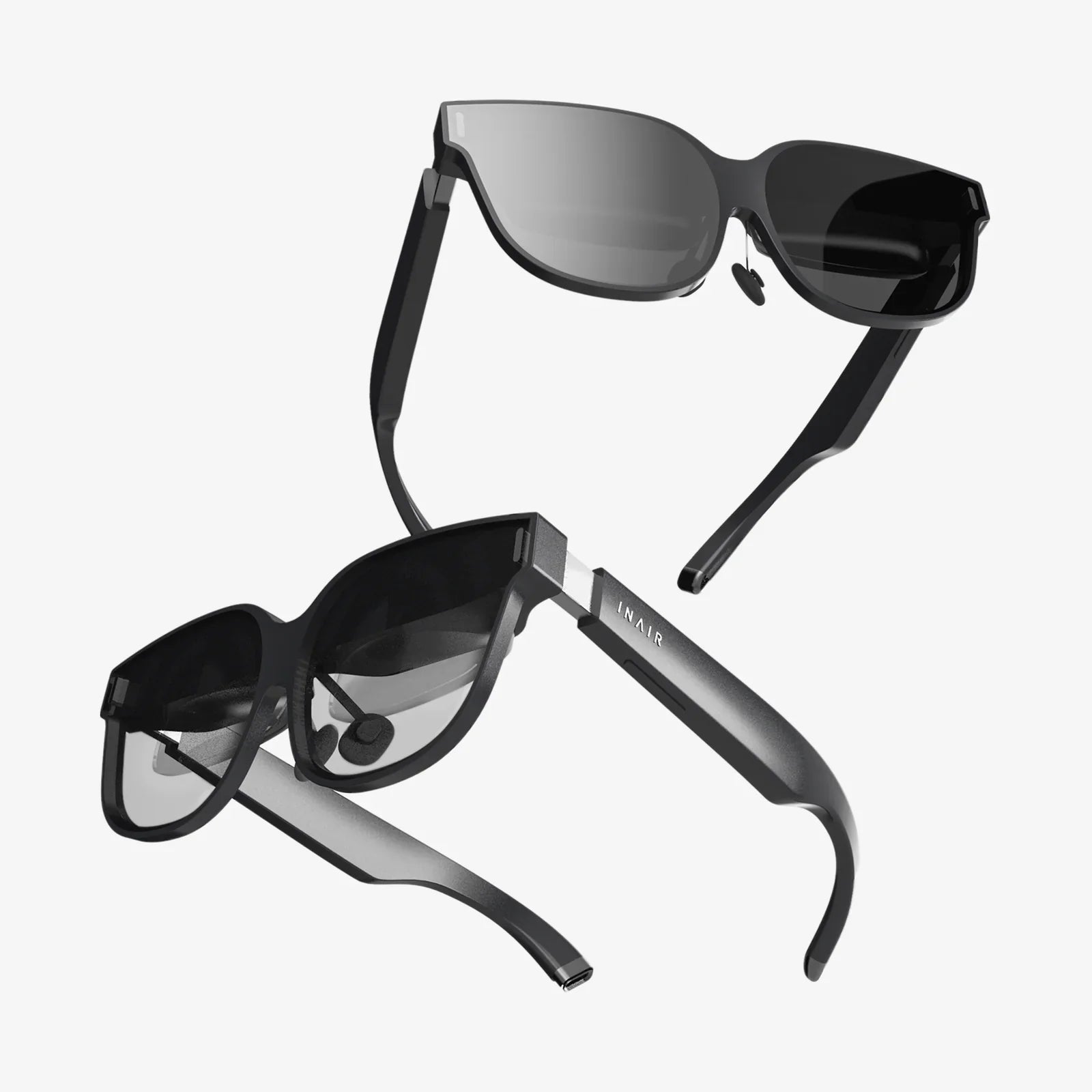
Imagine slipping on a device and instantly stepping onto the surface of Mars, practicing a complex heart surgery, or sitting front row at a concert happening halfway across the globe. This is no longer the realm of fantasy; it is the tangible, awe-inspiring reality offered by modern VR headset goggles. These technological marvels are rapidly evolving from niche gaming peripherals into powerful portals that promise to redefine every aspect of our lives, from how we work and learn to how we connect and create. The journey into the virtual frontier is here, and it is more accessible and astonishing than ever before.
The Engine Behind the Illusion: How VR Headset Goggles Trick Your Brain
At their core, VR headset goggles are masterclasses in perceptual deception. Their primary function is to isolate you from the physical world and replace it with a digital one, convincing your brain that you are somewhere you are not. This incredible feat is achieved through a sophisticated combination of hardware and software working in perfect harmony.
The most immediate component is the display. Modern headsets use two high-resolution screens (one for each eye) placed very close to the user's face. Specialized lenses then focus and reshape the image from these screens to fill your entire field of view, creating the sensation of being inside a vast world rather than just looking at a small screen. This is crucial for achieving a sense of presence—the visceral, undeniable feeling of actually being in the virtual environment.
But a static image is not enough. To sell the illusion of reality, the virtual world must respond to your movements instantly and accurately. This is the job of tracking systems. These systems use a combination of internal sensors (like gyroscopes and accelerometers) and external cameras or lasers to monitor the precise position and rotation of your head in real-time. As you turn your head, look up, or crouch down, the image rendered inside the headset adjusts accordingly with imperceptible latency. This 6-degrees-of-freedom (6DoF) tracking is what allows you to lean in to examine a virtual object or peek around a corner, making the experience feel truly immersive and responsive.
Finally, spatial audio completes the sensory package. Advanced audio technology mimics how sound behaves in the real world. If an explosion happens behind you and to your left, you will hear it through that headphone channel, and the sound will change subtly as you turn your head. This auditory cue is incredibly powerful for selling the reality of a virtual space and is essential for both immersion and gameplay.
Beyond the Game: The Expansive Universe of VR Applications
While gaming is the most famous and commercially successful application for VR headset goggles, their potential stretches far beyond entertainment. We are witnessing the dawn of a new computing platform, one that is spatial, immersive, and profoundly impactful across numerous sectors.
Revolutionizing Education and Training
Imagine a medical student being able to practice a delicate surgical procedure dozens of times in a risk-free virtual environment before ever touching a real patient. Or a history class not just reading about ancient Rome, but walking through a meticulously reconstructed Forum, hearing the sounds and seeing the scale of the architecture. VR headset goggles make this possible. They enable experiential learning, which is proven to dramatically improve knowledge retention and understanding. From mechanics practicing on virtual engines to astronauts preparing for spacewalks, the training applications are limitless and save time, money, and resources while enhancing safety.
Transforming Enterprise and Remote Work
The concept of the office is being reshaped by virtual reality. Instead of a grid of faces on a video call, teams from across the world can meet in a virtual boardroom, interacting with 3D models of products, brainstorming on virtual whiteboards, and communicating with the nuance of body language through avatars. Architects and engineers can walk clients through unbuilt designs at a 1:1 scale, and factory floor managers can visualize and optimize production lines before any physical changes are made. This shift towards spatial computing promises to make remote collaboration more natural, productive, and effective than traditional 2D interfaces ever could.
Expanding Creative Frontiers
Artists and creators are embracing VR as a new medium. With motion-tracked controllers, they can paint and sculpt in three-dimensional space, creating artworks that you can walk around and inside. Filmmakers are experimenting with immersive storytelling, placing the viewer inside the narrative rather than as a passive observer. The very definitions of art, design, and entertainment are being challenged and expanded by the capabilities of immersive technology.
Enhancing Healthcare and Therapy
The therapeutic potential of VR is immense and already being realized. It is used for exposure therapy, helping patients with phobias like fear of heights or flying to confront their anxieties in a controlled, safe environment. It aids in physical rehabilitation, turning repetitive exercises into engaging games to improve patient motivation and outcomes. VR is also being used for pain distraction, immersing burn victims in a calming snowy landscape to significantly reduce their perceived pain during wound care.
Navigating the Virtual Frontier: Challenges and Considerations
Despite the incredible promise, the path forward for VR headset goggles is not without its obstacles. Addressing these challenges is critical for the technology to achieve widespread, responsible adoption.
Accessibility and Cost: While prices have fallen, high-end headsets and the powerful computing hardware required to run them still represent a significant investment. The industry is working towards more standalone, all-in-one devices that lower the barrier to entry, but achieving mass-market affordability remains a key goal.
User Comfort and Ergonomics: Issues like simulator sickness, caused by a lag between a user's movement and the visual response, can affect some individuals. Furthermore, headsets can be heavy, cause eye strain, and feel isolating. Future iterations need to be lighter, more comfortable for extended use, and perhaps even incorporate features like pass-through video to blend the real and virtual worlds more seamlessly.
The Social and Ethical Dimension: As we spend more time in virtual spaces, profound questions emerge. How do we establish etiquette and prevent harassment in these new environments? What does digital identity and privacy mean when our movements and interactions are constantly tracked? How do we ensure equitable access and prevent the creation of a new digital divide? These are not technical problems but human ones that society must grapple with as the technology evolves.
Gazing Into the Crystal Ball: The Future of Immersive Technology
The VR headset goggles of today are merely the primitive ancestors of what is to come. The trajectory of the technology points towards devices that are smaller, lighter, wireless, and with resolutions so high they are indistinguishable from reality. We are moving towards varifocal displays that naturally adjust to where our eyes are focused, solving a major source of eye strain.
Further out, the lines between VR and the real world will continue to blur with the advancement of Augmented Reality (AR) and Mixed Reality (MR), where digital objects are seamlessly integrated into our physical environment. The ultimate goal is a pair of sleek, everyday glasses that can either augment our world or replace it entirely, switching between AR and VR at will.
Haptic feedback technology will evolve from simple controller vibrations to full-body suits and gloves that let you feel the texture of a virtual object or the impact of a virtual punch. Brain-computer interfaces, while still in early stages, hint at a future where we might navigate virtual spaces with our thoughts alone.
The humble VR headset goggle is the key that is unlocking this future. It is the first, crucial step into a new paradigm of human-computer interaction. It is a tool for unparalleled empathy, allowing us to experience the world through another's eyes. It is a canvas for limitless creativity and a bridge that will connect humanity in ways we are only beginning to imagine. The door to these new realities is now open, waiting for you to take the step and see what lies on the other side.
Share:
Types of Extended Reality: A Deep Dive into the Virtual Spectrum
The Current State of Augmented Reality: Bridging the Digital and Physical Divide